How to Choose a Lightning Alert Device in 2026?
Choosing a Lightning Alert Device in 2026 requires more than comparing prices, range, or smartphone features. It requires understanding how lightning behaves, how alerts are generated, and how quickly people can respond. NOAA’s National Severe Storms Laboratory reports that lightning can strike more than 10 miles from a thunderstorm. That distance can exceed the visible rain area.
The Vaisala Annual Lightning Report also demonstrates the scale and variability of global lightning activity. Its long-term monitoring data shows why local observations alone may create dangerous confidence. A clear sky overhead does not guarantee safety. John Jensenius, a former National Weather Service lightning safety specialist, stated, “If you can hear thunder, you are close enough to be struck by lightning.” That warning remains practical in 2026.
A reliable Lightning Alert Device should detect approaching storm activity, deliver understandable alerts, and support decisions outdoors. Look for detection range, alert timing, false-alarm performance, battery life, connectivity, and weather-resistant construction. A device that flashes beside a noisy sports field is not automatically useful. Its message must be noticed and understood.
No device is perfect. That matters.
The World Meteorological Organization’s reports on early warning systems emphasize timely, actionable communication, not technology alone. Therefore, this guide compares device capabilities with real operating conditions, including farms, golf courses, schools, construction sites, and outdoor events. Some specifications look impressive on paper but perform differently around buildings, hills, or electromagnetic interference. Buyers should question unclear test methods, unsupported accuracy claims, and missing maintenance guidance before choosing a system.
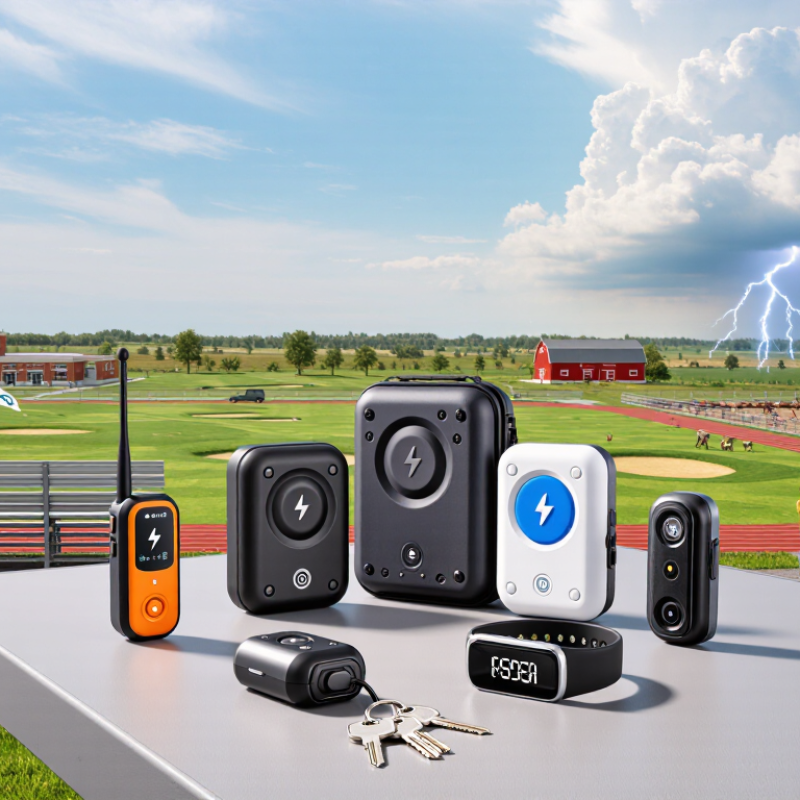
What a Lightning Alert Device Is and How It Works
A lightning alert device is an electronic monitor that detects electrical activity linked to thunderstorms. It may sense electromagnetic pulses, radio noise, or sudden changes in atmospheric charge. Unlike a weather app, it measures signals near the device and can react before thunder reaches the site. Some systems also compare readings from multiple sensors to estimate strike direction and distance. That detail matters. A warning is useful only when people have time to move indoors.
When choosing one in 2026, examine detection range, alert delay, sensor method, and operating environment. A clear audible alarm helps on a noisy worksite, while visual and phone notifications support quieter locations. Check whether alerts continue during internet loss or power interruptions. Battery backup, weather resistance, and a readable status screen are practical details, not decorative extras. Field technicians should verify calibration and test the alarm on a documented schedule. Do not assume a longer advertised range guarantees better protection.
False alarms can occur near strong electrical equipment, and distant storms may produce uncertain readings. A good manual explains these limits in plain language. Look for independent testing records, transparent specifications, and accessible maintenance guidance. The device should fit the site’s size, terrain, staff training, and emergency procedure. A small outdoor event may need simple local alerts; a large facility may require networked sensors and logged notifications. It is not a crystal ball. Treat every alert seriously, while continuing to observe the sky and official weather information. A checklist may need revision after real storms, because trees, buildings, and interference can reveal weaknesses that a product sheet cannot show.
Comparing Device Types, Power Sources, and Installation Options
Choosing a lightning alert device in 2026 starts with matching the device type to your surroundings. Standalone detectors suit homes, farms, and small outdoor sites. They usually provide audible or visual warnings without relying on a phone. Connected weather stations offer wider data, including storm distance, pressure, and rainfall. However, they need a stable network connection. Wearable receivers can help field workers, but small screens may be difficult to read in bright sunlight. No device is perfect.
Power sources affect reliability during severe weather. Replaceable batteries are simple and practical for temporary work areas. Rechargeable models reduce waste, but they may fail when charging is forgotten. Solar-powered units work well in open locations with regular sunlight. Shade, heavy rain, and winter darkness can reduce performance. Mains-powered devices provide continuous operation, yet they need surge protection and professional installation. I would not depend on one warning method alone.
Tips: Place outdoor sensors where buildings, trees, and metal structures cause minimal obstruction. Keep indoor alarms audible from sleeping areas and workrooms. Test the alert monthly, then check the battery after every major storm. For mains connections, use a qualified electrician and follow local electrical requirements. Review the detection range, notification delay, and maintenance instructions before buying. A cheaper device can become expensive if its warnings arrive late or its power system needs constant attention.
Checking Weather Alerts, Connectivity, and User Accessibility
How to Choose a Lightning Alert Device in 2026?
A reliable device should check official weather alerts, not rely only on detected thunder. The National Oceanic and Atmospheric Administration notes that lightning can strike more than 10 miles from a storm. That distance can exceed what users see or hear. Choose equipment that shows alert time, storm direction, and remaining risk. The World Meteorological Organization reports over 2,000 lightning-related deaths worldwide each year. Delayed warnings are not a minor weakness.
Connectivity deserves a practical test. Cellular devices need signal, while internet-based units need stable Wi-Fi. Ask whether alerts continue during power cuts, weak coverage, or roaming. A device with offline sirens or backup batteries may protect users when networks fail. It should also display a clear connection status. I would not trust a silent screen alone. That sounds obvious, but it is often missed. User accessibility matters just as much. The World Health Organization estimates that 1.3 billion people experience significant disability. Look for large text, bright visual signals, adjustable volume, vibration, and simple controls. Avoid menus requiring small, precise movements.
Tips: Test the device during a planned drill. Stand indoors, check the warning sound from another room, and review the battery afterward. Assign one person to confirm alerts manually. No device is perfect. Record missed notifications and reconsider the setup after severe weather. Sources: NOAA National Severe Storms Laboratory; World Meteorological Organization; WHO Global Report on Health Equity for Persons with Disabilities.
Choosing a Device for Your Location, Risks, and Budget
How to Choose a Lightning Alert Device in 2026?
Choosing a lightning alert device starts with your location, not its feature list. Coastal areas, open farmland, sports fields, and mountain sites face different exposure patterns. The World Meteorological Organization reports that lightning causes about 24,000 deaths and 240,000 injuries worldwide each year. That figure is broad, but the risk is real. A device should detect nearby strikes, provide enough warning time, and remain audible in wind, rain, or machinery noise. Indoor users may need visual alerts, while outdoor teams often require loud alarms and portable power.
Budget also changes the sensible choice. A basic local detector may suit a small home or campsite. Large farms, schools, and outdoor venues may need networked monitoring, multiple receivers, data logging, and backup power. The National Weather Service advises moving indoors when thunder is heard, so no alert device should replace that decision. I would not trust a warning system without checking its detection range and false-alarm rate. Those details are easy to overlook.
Tips
Match the device to your site’s size and terrain. Check alert volume from the farthest working area. Ask how often sensors need testing. Review battery performance before storm season. Keep a manual evacuation plan. A device can fail, unfortunately. Reflect on who receives the alert, who confirms it, and who leads people indoors. According to the U.S. National Lightning Safety Council, most lightning deaths occur outdoors, making clear procedures as important as hardware.
How to Choose a Lightning Alert Device in 2026
Choose a device according to the warning distance your location requires. The chart shows the approximate time between a lightning flash and the arrival of its thunder at different distances, calculated using an average sound speed of 343 meters per second at 20°C.
Open outdoor areas, sports venues, farms, and construction sites generally need alerts early enough to support evacuation. A device that detects activity farther from the site may provide more decision time, but actual warning time depends on sensor placement, storm direction, weather conditions, and the device’s detection method.
Safety rule: When thunder is heard, move indoors immediately. Wait at least 30 minutes after the last thunder before returning outdoors.
Reference: National Weather Service lightning safety guidance. Sound-travel estimates use the standard approximation of 343 m/s at 20°C.





