How to Choose 1.5 Inch Galvanized Pipe for Your Project?
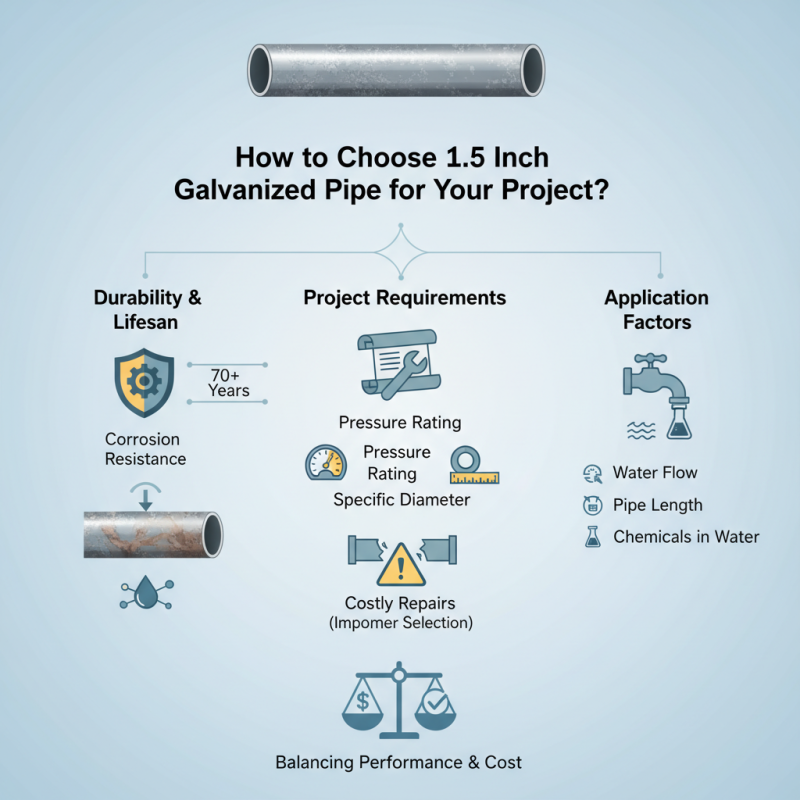
Choosing the right materials for your projects is essential. When it comes to plumbing and construction, the 1.5 Inch Galvanized Pipe stands out. These pipes are known for their durability and corrosion resistance. According to the American Galvanizers Association, galvanized steel pipes can last up to 70 years in some environments.
However, selecting the appropriate galvanized pipe involves careful consideration. Not all projects require the same specifications. For example, some applications may require a higher pressure rating or a specific diameter. In fact, a report from the National Association of Home Builders indicates that improper pipe selection can lead to costly repairs and project delays.
In real-world applications, you might find that a 1.5 Inch Galvanized Pipe fits your needs, but not always. Factors like water flow, pipe length, and the presence of chemicals in water can affect performance. It's vital to reflect on these details to ensure a successful outcome for your project. Balancing performance and cost is crucial, and understanding these nuances can help you make more informed decisions.
Understanding the Basics of 1.5 Inch Galvanized Pipe
Understanding the basics of 1.5-inch galvanized pipe is crucial for any project involving plumbing or construction. Galvanized pipes are coated with zinc to prevent corrosion. This makes them a popular choice for water supply lines and structural applications. The diameter of 1.5 inches strikes a balance, suitable for both residential and commercial uses.
When selecting this pipe, consider the wall thickness. Schedule 40 and Schedule 80 are common variations. Schedule 40 is lighter and more versatile, while Schedule 80 offers more strength. Each has its applications, making it vital to assess your project's specific needs.
It's also essential to think about fitting connections. Threaded or welded connections can impact installation and long-term durability. Ensure your tools are suitable for the chosen method. The installation process can be tricky, and mistakes can lead to leaks. Always double-check measurements and fittings, as even a small oversight can cause significant issues.
Assessing Your Project Needs for Pipe Selection
When embarking on a project that requires 1.5-inch galvanized pipe, understanding your specific needs is crucial. Consider the environment where the pipe will be installed. Is it indoors or outdoors? Will it be exposed to chemicals or extreme temperatures? Assess these factors to determine if galvanized pipe is the right choice.
Next, think about the intended use of the pipe. Are you using it for plumbing, structural support, or another purpose? Each application has different requirements. For example, plumbing requires a pipe that can handle water pressure effectively. Structural applications may need stronger material to bear weight.
Reflect on the installation process as well. Do you have the tools and skills required for installation? If not, you might need to hire a professional, which adds to your budget. It’s also important to consider long-term maintenance. Will this pipe require frequent inspections or replacements? Taking time to assess these factors ensures a better outcome for your project.
Evaluating Quality and Standards in Galvanized Pipe
When selecting 1.5 inch galvanized pipe for your project, quality must be the top priority. Galvanized pipe is coated with zinc to prevent rust. However, not all galvanized pipes are created equal. Understanding the standards that govern this material can help you make an informed choice. Look for pipes that comply with ASTM and ISO standards, as they indicate the pipe's reliability.
Tips for evaluating galvanized pipe:
- Check for uniformity in the zinc coating. Uneven coating can signal poor manufacturing techniques.
- Inspect the pipe for any visible rust or damage. Even small imperfections can affect performance over time.
Not every supplier provides consistent quality. Research reviews and seek recommendations to find reputable sources. Always ask for certifications that verify compliance with industry standards. By taking these steps, you'll ensure that your project stands on a solid foundation. Remember, investing in quality materials is a key factor in long-term success.
Comparing Price and Availability of Different Suppliers
When selecting 1.5 inch galvanized pipe, it's crucial to compare prices and availability from various suppliers. Conducting thorough research helps to identify the most competitive prices in the market. Many contractors suggest requesting quotes from multiple suppliers to see the range of prices. Some may offer discounts on bulk orders, which can significantly reduce costs.
Availability is another critical factor. Some suppliers may have long lead times, while others can deliver quickly. Be aware of stock levels and backorder situations. Delays in supply can affect project timelines. A wise approach is to check local suppliers first. They may provide better availability than distant suppliers.
Don't overlook the quality aspect while assessing price. Cheaper pipes may lead to higher repair costs down the line. Review feedback from other customers to gauge reliability. Consider the overall value, not just immediate savings. This may require some patience and reflection on your choices. Balancing cost, availability, and quality can be challenging but is vital for your project's success.
Installation Considerations for 1.5 Inch Galvanized Pipe
When installing 1.5-inch galvanized pipe, there are several critical considerations to keep in mind. The installation environment significantly affects the pipe's performance. For instance, if pipes are exposed to moisture or corrosive elements, galvanization can erode over time. A recent industry report noted that nearly 30% of failures in piping systems arise from insufficient protection in aggressive environments. Choosing the right type of galvanization can extend the lifespan and reliability of your plumbing or structural installation.
Proper alignment during installation is also essential. Misalignment can lead to stress points, ultimately causing leaks or breaks. According to the National Association of Corrosion Engineers, more than 25% of all piping failures stem from improper installation techniques. Paying attention to angles and connections can prevent such issues. Additionally, incorporating expansion joints can help accommodate movement and temperature changes, reducing future maintenance needs.
Lastly, consider the weight of the pipe and the support systems needed. A 1.5-inch galvanized pipe can weigh over 6 pounds per foot. This weight requires adequate support to prevent sagging or stress on joints. Using appropriate brackets and hangers can make a significant difference. Failing to provide adequate support can lead to structural failures that may not be immediately evident.





