Why Choose the Right Set Screw for Your Project Needs?
Choosing the right Set Screw can significantly impact your project's success. Set screws are small but crucial components used to secure one part of a mechanical assembly to another. They hold critical elements in place, preventing unwanted movement. The selection process requires careful consideration of material, size, and application type.
Understanding the specific needs of your project is essential. Factors such as load conditions and environmental exposure play a vital role in this decision. Using the wrong set screw may lead to failures, resulting in costly repairs and delays. Additionally, the right screw enhances the overall performance and longevity of your machinery.
Every project presents its own unique challenges. It is easy to overlook the importance of set screws, but doing so can be detrimental. This choice shouldn't be rushed. Reflect on your requirements, and consult specialists if needed. A thoughtful approach ensures you achieve reliable and efficient outcomes in your projects.
Understanding Set Screws: Types and Applications
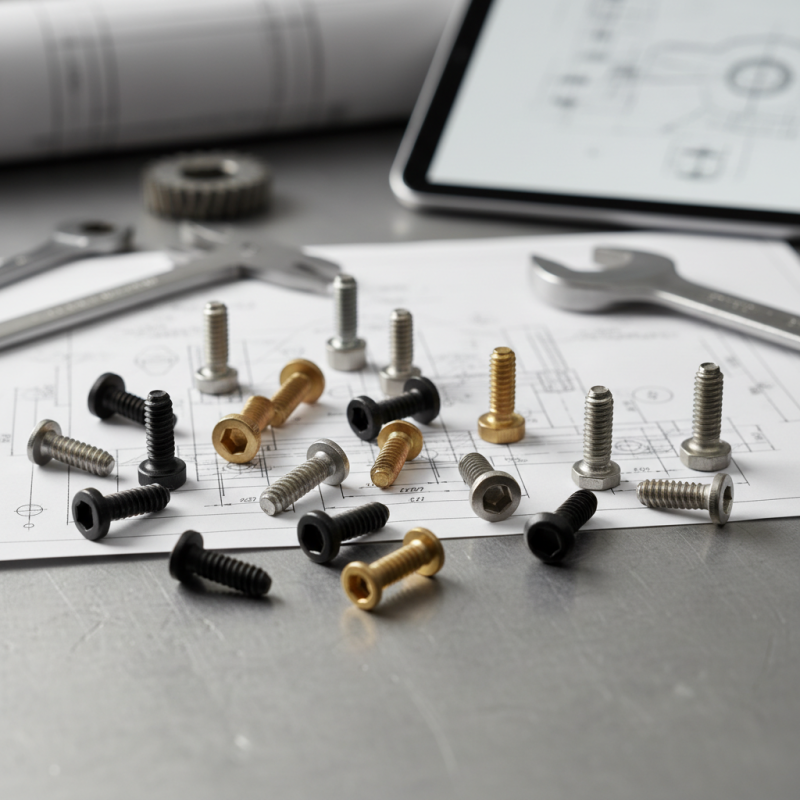
Set screws play a crucial role in various mechanical applications. Understanding the types and their uses can greatly enhance project outcomes. Set screws, commonly used to secure two or more parts, come in different styles. These include cup point, flat point, and dog point. Each type serves specific functions, depending on the materials involved. Cup point screws provide a strong grip in softer materials, while flat point screws are ideal for harder surfaces.
Industry data suggests that approximately 50% of mechanical failures relate to fasteners, including set screws. Incorrect choices can lead to unexpected issues. A survey conducted by the Fastener Industry Coalition found that 30% of engineers report challenges in selecting the right fastener types. These findings emphasize the need for careful consideration of set screw selection.
Furthermore, the application environment is vital. Corrosive environments require materials that can withstand degradation. Stainless steel and alloy materials are often recommended in these cases. However, even the best materials can fail if not paired with the appropriate screw design. Design flaws in the application phase often lead to failures that could have been prevented. Proper analysis and understanding of set screws go a long way in ensuring project success.
Key Factors to Consider When Choosing a Set Screw
When selecting a set screw for your project, several key factors come into play. Material choice is essential, as it affects durability and corrosion resistance. Steel, stainless steel, and brass are common materials, each offering unique properties. Consider the environment where the screw will be used. Will it face moisture, heat, or chemicals? The answer guides you toward the right material.
Thread size and design are additional crucial factors. The screw must fit securely in the designated hole to function effectively. An improper fit can lead to failure and project delays. Be mindful of the screw's strength and load-bearing capacity. Conducting thorough research at this stage is beneficial. You may discover nuances that influence your selection.
Moreover, torque specifications should not be overlooked. Each application demands a specific torque to maintain stability. Testing may be required to ensure proper fit and function. Remember, even with extensive planning, things can go awry. It’s wise to keep a backup plan for potential issues. Understanding these elements can help you make an informed decision that enhances your project's success.
Materials and Coatings: Their Impact on Set Screw Performance
Selecting the right set screw for your project can significantly influence performance. The material and coating of a set screw are essential factors that affect its longevity and resistance to wear. According to a study published by the Journal of Materials Engineering, over 30% of mechanical failures in assemblies are related to inappropriate material choices.
For instance, steel set screws are widely used due to their strength. However, they may rust when exposed to moisture. On the other hand, stainless steel or coated variants can provide better corrosion resistance. The same study highlights that using specialized coatings can extend the lifespan of a set screw by up to 50%. This increase is particularly notable in applications within marine industries where exposure to saltwater is common.
When considering the right set screw, don't overlook the impact of surface finishes. Smooth finishes can reduce friction but may compromise grip. The choice of a coating, like zinc or black oxide, can enhance wear resistance yet might alter torque settings. This duality emphasizes the need for careful consideration during selection. Ultimately, understanding these material and coating properties is key to optimizing set screw performance in diverse projects.
Common Mistakes in Set Screw Selection and How to Avoid Them
Selecting the right set screw for any project is crucial, yet many people make avoidable mistakes. One common error is not considering the material compatibility. Different materials react differently under tension and stress. For example, using a steel set screw on aluminum may lead to galling, causing damage. This mistake can be costly in the long run.
Another significant oversight involves size selection. Many choose a screw without carefully measuring the components involved. An improperly sized screw can lead to joint failure or even accidents. It’s vital to consult specifications. Engineers often emphasize the importance of thorough planning before assembly. Neglect can compromise safety and functionality.
Lastly, a common yet overlooked issue is the thread type. Fine and coarse threads serve different purposes. A mismatch can affect the screw's holding strength. Understand the project's needs and avoid the pitfalls of hasty decisions. Reflecting on common selection errors can lead to better outcomes in any project.
Best Practices for Installing and Maintaining Set Screws
When working with set screws, installation and maintenance are critical. Proper installation ensures secure fastening, while regular checks enhance longevity. Research indicates that improper installation can lead to 30% of machinery failures. These failures often stem from insufficient torque or incorrect sizing of the screw.
Using the right tools is essential for effective installation. A torque wrench ensures screws are tightened to manufacturer specifications. Choosing the right material is also crucial. Different environments require different materials to prevent corrosion. For instance, stainless steel screws are ideal for humid conditions, while carbon steel may suffice for dry locations.
Maintenance is often overlooked. Regular inspections can prevent costly downtimes. It’s essential to check for wear, corrosion, or loosening. A study found that 20% of equipment failures could be traced back to neglected screw maintenance. Documenting each inspection can help track performance trends over time. This practice contributes to deeper insights into overall machinery health. Remember, even small shortcomings in maintenance can lead to significant issues.





