


How to Choose the Right Pallet Banding Kit

Choosing a Pallet Banding Kit is a practical decision about load stability, operator effort, and the condition of each shipment. A kit that works for light cartons may struggle with dense, sharp-edged loads. Watch what happens at the pallet corners. That is where loose bands, crushed packaging, and wasted rework often become visible.

The 2024 MHI Annual Industry Report found that 55% of surveyed supply-chain professionals planned to increase investment in supply-chain technology. That figure is not specific to banding equipment, but it reflects a wider push for more dependable, efficient operations. OSHA’s materials-handling guidance also emphasizes keeping stored materials stable and secure. These sources offer useful context; neither replaces testing a kit with your actual load, band material, and work routine.

A careful choice compares strap width, tensioning method, seal type, tool weight, and expected daily volume. Check whether operators can reach around the pallet without awkward wrist angles. Then test the finished load through normal handling. Small details matter.

I can’t verify a published quotation from a named Pallet Banding Kit specialist from the information provided, so I won’t invent one. That gap matters: a credible recommendation should be traceable to an identifiable expert and source. A kit can look right on paper and still disappoint on a busy floor.
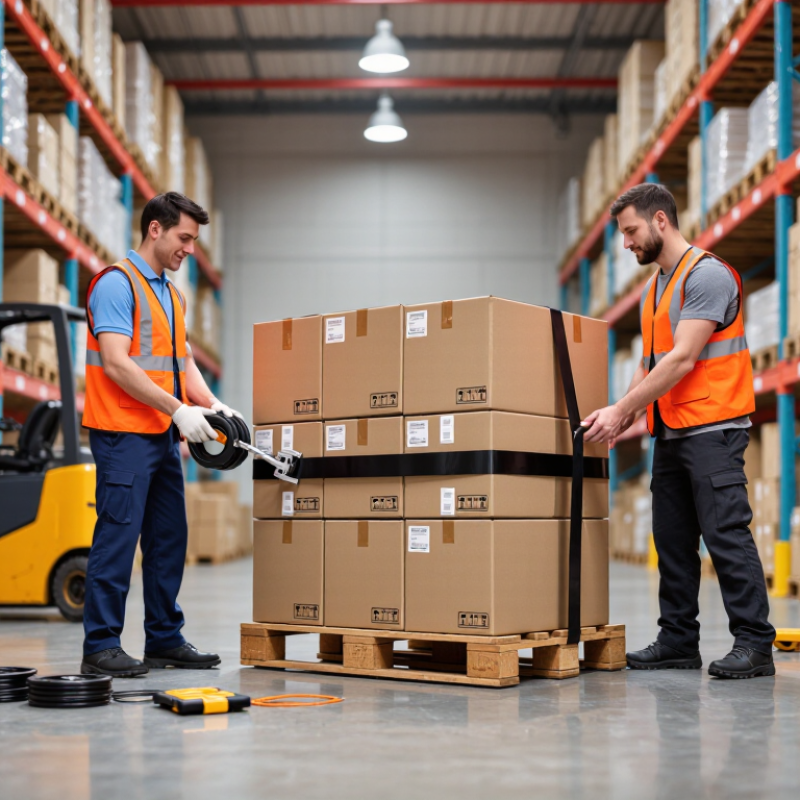
How to Choose the Right Pallet Banding Kit

Understanding Pallet Banding Kits and Their Components

A pallet banding kit is a small system, not just a tensioning tool. Most kits include strapping, a dispenser, a tensioner, a sealer or combination tool, and seals or buckles. Some also include a cutter and corner protectors. Each part has a job: the dispenser keeps the strap from tangling, while protectors help prevent tight bands from crushing carton edges.

Match the kit to the load and the work area. Polypropylene strap may suit lighter, stable loads; polyester is often considered for heavier loads that need stronger restraint. Check strap width and thickness against the tool’s specifications before buying. Also consider pallet volume, operator comfort, and whether power is available. MHI’s 2024 Annual Industry Report found that 55% of surveyed supply chain leaders planned to increase investment in supply chain technology. That figure does not prove a banding kit improves performance, but it highlights why practical equipment choices deserve attention. On paper, compatibility looks simple. At a busy packing station, small mismatches can slow the job.

Tips: Test the complete kit on a typical pallet. Look for loose strap, damaged corners, or awkward tool handling. If the load shifts, reconsider the strap pattern—not just the tension. A tidy wrap can still be the wrong wrap.


Assessing the Load Size, Weight, and Shipping Conditions

How to Choose the Right Pallet Banding Kit
Assessing the Load Size, Weight, and Shipping Conditions

Measure the palletized load, not just the product. Record its height, width, weight, and overhang; even a small carton shift can loosen a strap. For mixed loads, note where weight sits and whether the top layer can compress. A narrow, stable pallet may need fewer bands than a tall stack with slippery cartons. Check the load after a short test move. It may settle.

Weight helps determine strap strength, but it is not the only factor. FMCSA cargo securement guidance sets a useful transport benchmark: aggregate working load limits of tiedown devices must equal at least half the cargo’s weight. This rule concerns cargo securement, not a universal pallet-banding specification. Still, it shows why kit selection should account for load mass and restraint capacity, rather than strap appearance alone. Confirm strap ratings and follow the kit maker’s instructions.

Shipping conditions matter. Long road journeys, repeated handling, moisture, and temperature changes can affect strap tension and packaging. ISTA’s transport testing procedures use hazards such as vibration, shock, and compression to evaluate packaged shipments. Consider where the pallet will travel and how often it will be moved. For rough routes, test a packed load under realistic handling conditions and inspect for strap slack, edge damage, or shifting. A perfect calculation can still miss a weak corner.

How to Choose the Right Pallet Banding Kit - Assessing the Load Size, Weight, and Shipping Conditions

Load Profile Typical Pallet Footprint and Load Weight Load Stability and Shape Shipping Conditions Suitable Strap Material and Size Kit and Tool Requirements Banding Layout Selection Notes
Light, compact cartons Approximately 40 × 48 in (1,016 × 1,219 mm); up to 500 lb (227 kg) Uniform, well-stacked cartons with little overhang Short domestic shipment; limited handling and indoor storage Polypropylene (PP) strap, typically 3/8–1/2 in (9.5–12.7 mm) wide Manual tensioner and sealer, or a compatible combination tool; select seals sized for the strap Usually two straps around the load and pallet, placed in opposite directions when the load shape permits PP is generally suitable for lighter loads. Check that the strap edges do not crush cartons and that the pallet can be safely handled.
Medium-weight, stable cartons or bundled goods Approximately 40 × 48 in (1,016 × 1,219 mm); 500–1,500 lb (227–680 kg) Regular stack with moderate movement risk during loading or transit Multi-stop road transport or routine warehouse handling Polyester (PET) strap, commonly 1/2–5/8 in (12.7–16 mm) wide Manual or battery-powered tensioner with a compatible sealer; use a tensioner rated for the selected strap Two or more horizontal bands; add cross-banding where the stack could shift PET generally retains tension better than PP and is often chosen for heavier unit loads. Determine strap strength from the load and handling plan, not weight alone.
Heavy, dense, or rigid unit load Approximately 40 × 48 in (1,016 × 1,219 mm); 1,500–3,000 lb (680–1,361 kg) Dense products, rigid cases, or loads with substantial movement forces Long-distance transport, repeated transfers, or rough handling High-strength PET strap, often 5/8–3/4 in (16–19 mm); strap grade and breaking strength must match the application Powered tensioner or suitable pneumatic tool, plus compatible seals or a seal-less joint system Multiple bands in both directions; use edge protectors where straps contact corners Check pallet capacity, load restraint requirements, and tool specifications. Do not apply a generic tension value; excessive tension can damage the load or pallet.
Irregular, tall, or potentially unstable load Any footprint; weight varies. Pay particular attention to tall loads or uneven weight distribution. Mixed carton sizes, rounded items, narrow top layers, or uneven surfaces Forklift handling, vibration, braking, or frequent transfers PET strap is a common choice; select width and strength according to load geometry and the restraint plan Kit with adjustable tensioning, compatible seals, corner protectors, and a dispenser suited to the strap coil Use vertical and horizontal bands as appropriate; add stretch wrap or blocking when needed to control shifting Banding alone may not stabilize an irregular load. Keep straps positioned to prevent slippage and avoid crushing vulnerable products.
Load exposed to outdoor storage or moisture Any footprint and weight; assess both product and packaging sensitivity Stable or moderately variable load requiring weather-aware packaging Outdoor staging, humid conditions, or possible rain exposure PET strap is commonly used; select a corrosion-resistant compatible seal or joint system Manual or powered tool compatible with the chosen PET strap; store strap and tools dry when not in use Band according to load stability; protect edges and keep banding clear of standing water where possible Choose strap and packaging for the full exposure period. Moisture can affect packaging and some metal components; inspect bands before dispatch.
Very high restraint demand or specialized industrial load Weight and dimensions determined by the shipment specification and risk assessment Extremely dense, sharp-edged, or high-consequence cargo Specialized freight, severe handling, or regulated transport conditions Steel or high-strength PET may be specified; selection depends on the cargo, edges, and transport method Dedicated tool and joint system rated for the chosen strap; trained operators and appropriate protective equipment Follow the engineered load-restraint plan; use suitable edge protection and approved blocking or bracing Do not select a kit by load weight alone. Confirm applicable transport rules and obtain a qualified restraint assessment where required.

Important: These are general selection guidelines, not certified load ratings. Final strap type, width, strength, number of bands, and tension depend on load dimensions, pallet condition, packaging strength, transport forces, and applicable shipping requirements. Follow the strap and tool manufacturer’s specifications and use appropriate operator safety procedures.

Selecting the Right Banding Material and Strap Dimensions

Choosing banding material starts with the pallet, not the kit. Polypropylene suits many light-to-medium loads and is easy to handle, while polyester generally holds tension better during transport. Steel may suit very heavy, rigid loads, but it requires compatible tools and careful handling. For damp or outdoor storage, check how moisture and temperature affect the strap. Small details matter.

Strap width and thickness must match the load and the kit’s tensioner, sealer, and buckles. A wider strap can spread pressure across cartons, but it will not fix a poorly stacked pallet. Check the kit’s stated width range and the strap’s breaking strength. Compare strength figures only when they use the same test basis. Measure typical loads and inspect corners where straps may rub or damage packaging.

Choosing the strongest strap by default is a common mistake. I would also consider how consistently workers can tension it and whether edge protectors are needed. The right dimensions are not always obvious from a label, so test a representative pallet before buying in bulk. Record strap slack or crushed cartons, then adjust the material, width, or tension setting.

How to Choose the Right Pallet Banding Kit

Typical strap-width ranges by material (mm)

Polypropylene is commonly available in narrower widths for lighter-duty loads; PET and steel are offered in wider options for heavier or more demanding applications. These ranges are representative, not universal—check the strap and tool specifications, load weight, and package geometry before choosing a kit.

Matching Tensioning and Sealing Tools to Your Workflow

A pallet banding kit should match the way loads move through your work area, not just the strap size listed on a package. For occasional shipments, a manual tensioner and sealer can be practical, especially when operators work at a bench with clear access to each pallet. It takes more effort. For a steady packing line, a battery-powered tool can reduce repeated hand movements and keep tension more consistent across several loads. Air-powered tools may suit fixed workstations with a reliable air supply, but the hose can limit movement.

Check that the tensioner, sealer, and strap work together. A plastic strap kit needs tools designed for its material and width; a steel strap setup requires compatible tensioning and sealing equipment. For example, a team securing uneven boxes may need a tool that allows careful tension adjustments, rather than one built only for speed. Test a few typical loads before settling on a kit. Watch for loose straps, crushed cartons, and seals that shift during handling. Small details matter. Tool weight matters too, though it is easy to overlook during a short trial. I would not assume the fastest tool is the best fit; operators may prefer a slightly slower setup that is easier to position safely and repeat.

Checking Safety, Compatibility, and Ongoing Maintenance

A pallet banding kit should fit the work, not just the budget. Check that its tensioner and sealer match the band material and width you use. A tool designed for one strap type may grip poorly or create weak seals with another. Confirm the kit suits your typical pallet size, load shape, and daily volume. Compatibility matters.

Safety depends on the whole setup. Keep hands clear of the tensioning path, and wear suitable eye and hand protection. Before tightening, check that cartons are stable and strap edges will not cut into soft packaging. Excessive tension can crush boxes or shift a load; more force is not always better. Small details matter. Train operators to release tension carefully, especially when a strap is damaged or twisted.

Maintenance keeps performance predictable. Inspect the tensioner’s gripping surfaces, cutter, and moving parts for wear or trapped debris. Check seals on sample straps at the start of a shift, then recheck after adjustments. Replace worn parts according to the kit’s instructions, and store tools dry and clean. It is easy to postpone a quick inspection when the line is busy. That habit can cost more time later. Record recurring faults, too; a repeated weak seal may point to incorrect settings, worn components, or a mismatch between the kit and the strap.

Powder Coat Booths

For those larger-sized parts, or smaller quantity runs, we have 2 independent powder coat booths and ovens. The quality, durability and affordability of today’s powder coating finishes make this the process of choice for world-class companies.

Powder coating advantages over other forms of coating are many. Materials used in the Powder coating process can be metals and non-metals that come in a multitude of thicknesses, textures, colors, etc. Another of Powder coating’s biggest advantages over conventional coatings is its ability to create finishes in many different textures. Powder Coating Booths allow us the ability to apply these advantages to large products.

Wet Paint Line

Tri-State Fabricators runs a full-service conveyor line for painting. Wet painting can provide protection or decoration to many different part styles. From start to finish, every project is easier to undergo random and point-based inspection by our skilled painting team.

Advantages to our Wet Paint Line are these lines start with product prep and ends with a thorough inspection of a high quality finished product. Our ability to complete large and small projects with a superior finish and doing so in a timely and economical fashion. This passes along the savings in production to our customers. When powder coating ins not an option, our Wet Paint Line gets the job done right the first time.

Wet Paint Booths

When the parts get big and heavy we roll-out our custom paint racks and oversize booth. By utilizing our partnerships with all the major paint brands, we can match virtually any color with wet paint.

The advantages of having access to a Wet Paint Booth are many. Large projects of many different shapes can be loaded into the booth. The Wet Paint Booth offers an environment that is much more controlled than a typical parts painting operation.

Not only are they used because of their controlled environment, but they’re are also advantageous when it comes to applying paint to parts that are needed in industries that require specialty coatings such as medical, aerospace, etc.

Military CARC

Our military forces have some very high standards when it comes to the finish of their vehicles and equipment. From the first pre-treatment step to final coat, it takes a great deal of knowledge and experience to protect the men and women of our armed forces. They deserve only the best, and Tri-State Fabricators provides it.

All of our processes are closely monitored by our staff and management teams. Both of which are highly trained in the processes of metal fabrication and finishing. Tri-State Fabricators’ goal is to always fully satisfy each and every customer, including the military. We will always put a 110% into what we do.

Glass-Bead Blasting

Abrasive media blasting is an excellent way to remove old paint, rust, and increase the paint/powder adhesion. Glass beads produce a much smoother and brighter finish than angular abrasives; leaving the part clean yet without any dimensional change. Chemically inert and environmentally friendly, we can recycle our beads approximately 30 times; making them a more preferred method of metal cleaning or surface finishing.

Advantages to Glass Bead Blasting are many. Glass bead blast media is used when a project is needing rough surfaces need to become smooth for applications of coatings such as paint. It is typically used to clean paint and rust from a product surface without deforming the surface it is being used on. Overall, compared to many other blasting media, Glass Bead Blasting is a very economical choice and those savings are always passed on to our customers.

Part Washing

Tri-State Fabricators utilize a zinc phosphate wash to clean and etch the material to ensure the best paint adhesion possible. The unique design of our 3-stage wash system does the work like a 5-stage. From Cleaning and rinsing to conversion coating and post-treatment, Our Part Washing process is a complete service and works throughout the fabrication service and the finishing service.

Along with the previously mentioned benefits, Curing is a vital chemical reaction that leaves the product finish hard and relatively safe from mild abrasion and aggressive corrosion. This process can be done in more than one way; ambient air-dry or in curing ovens at temps that exceed 240°.

Burn-Off Oven

From fixing paint mistakes (someone else’s of course) to simply cleaning our paint line hooks, our burn-off oven is put to good use. After a quick burn-off, a little clean up, and a fresh coat of paint, your parts will look better than new.

Why does our Burn-Off Oven work so well? Because super heating the air around parts turns the materials into ashes. From paint and powder coatings to rubber and machining oils, high temps do the job without degrading the integrity of the part.

Masking

Masking is a vital part of producing high quality products. We have die-cut masking patterns to protect machined surfaces as well as a wide range of plugs and caps to protect threaded holes and bolts. We provide permanent and temporary masking.

Masking allows the selected sections of a product to be protected from a fabrication or finishing service. This can be with both chemicals when etching and tapes, paints when only finishing just a section of the product. Masking is great in aiding the customization process of a project.

Screen Printing

Screen printing is a photographic process that transfers artwork onto a porous nylon screen which allows colored ink to flow through the screen and be deposited on an aluminum or plastic component. We can generally have just about any design created onto a screen for your parts.

Some of the advantages of Screen Printing are, brand recognition for your business displaying on your products, assembly instructions, product warnings/hazards, etc. Tri-State Fabricators produces Screen Printing of the highest quality so you know it’s durable.

Metal Finishing

Metal Finishing is the art of treating the exterior portion of product, often metal but can also be made of other materials, so that the surface is clean and free of any debris. Then the process of applying coats or either paint of powder coat takes place. This coating process improves the quality of the product in both appearance and resistance to wear and corrosion.

Tri-State Fabricators, Inc., understands that a project typically isn’t complete until a high-quality finish has been added to your product. This is why our painting and powder coating teams continuously inspect the products throughout the Metal Finishing process.
