How to Choose the Right Locking Wire Series for Your Needs?
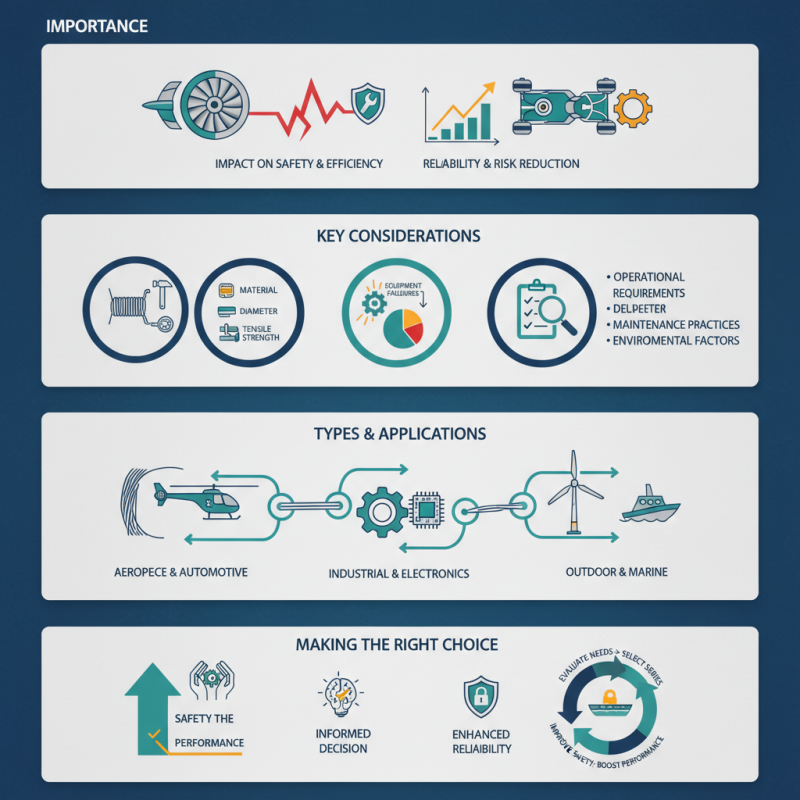
Choosing the right Locking Wire Series can significantly impact the safety and efficiency of various applications, particularly in aerospace and automotive industries. According to a report by the National Safety Council, improper use of locking wires can lead to mechanical failures in critical components, underscoring the importance of selecting the appropriate series for your needs.
Locking wires come in various types, each designed to suit different specifications. Factors such as material, diameter, and tensile strength are key considerations. A 2022 industry study highlighted that over 30% of equipment failures stem from incorrect wire usage. This statistic emphasizes the need for careful evaluation when deciding on a Locking Wire Series.
While many options may appear suitable, not every wire will perform well under specific conditions. Users must reflect on their operational requirements, maintenance practices, and environmental factors. A well-informed choice can enhance reliability and reduce risks. In the end, selecting the right Locking Wire Series is essential for both safety and performance.
Understanding Locking Wire: Types and Uses
Locking wires are essential in various applications. They ensure safety and integrity in mechanical systems. The main types of locking wires include safety wire, locking wire, and tie wire. Each type has unique properties and uses.
Safety wire is often used in aviation and motorsports. It helps prevent fasteners from loosening under vibration. Locking wire has a more general application, securing bolts and screws in industrial machinery. Tie wire is primarily used in construction for holding rebar together. Choosing the right type depends on your specific needs, such as flexibility and load capacity.
Understanding these variations can help avoid mistakes. Not all locking wires are suitable for every job. For example, using a softer wire for high-stress applications might lead to failure. Testing the wire’s tensile strength is crucial for safety. Recognizing the materials used in construction will also affect the wire choice. A reflective attitude toward these aspects can enhance decision-making in selecting locking wires.
Factors to Consider When Choosing Locking Wire
Choosing the right locking wire series requires careful consideration of several factors. The type of application plays a crucial role. Whether it’s for aerospace, automotive, or general industrial use, each sector demands specific features in locking wires. For instance, aerospace applications may need high resistance to extreme temperatures. This means opting for wires that can withstand such conditions without compromising safety.
Material is another vital factor. Stainless steel is commonly preferred due to its strength and corrosion resistance. However, options like titanium can be considered for specialty applications. It's essential to evaluate the operational environment. If exposure to chemicals or harsh conditions is likely, select a wire with suitable protective qualities. This decision often involves trade-offs between cost and reliability.
Additionally, the diameter of the wire impacts its performance. A thicker wire generally provides better security, but it may not be necessary for all tasks. This could lead to over-engineering. It’s important to think about installation and removal as well. A complex setup leads to wasted time and resources. Simple is often more effective. Through careful assessment of these factors, the right locking wire can be chosen to meet your needs efficiently.
How to Choose the Right Locking Wire Series for Your Needs? - Factors to Consider When Choosing Locking Wire
| Locking Wire Type | Material | Diameter (mm) | Breaking Strength (N) | Use Temperature Range (°C) | Applications |
| Type A | Stainless Steel | 0.5 | 500 | -50 to 150 | Aerospace, Automotive |
| Type B | Nickel-Plated Steel | 0.8 | 700 | -30 to 180 | Marine, Heavy Machinery |
| Type C | Aluminum Alloy | 1.0 | 600 | -40 to 200 | Electronics, Consumer Goods |
| Type D | Carbon Steel | 1.2 | 800 | -20 to 120 | Industrial Equipment, Construction |
Comparing Different Locking Wire Series
When choosing a locking wire series, it's essential to understand the differences between the options available. Not all locking wires are created equal. Some are designed for specific applications, while others offer versatility. The material is a critical factor. Stainless steel wires provide excellent corrosion resistance, while nylon-coated wires offer additional insulation.
Another important aspect is the wire diameter. Thicker wires tend to provide better strength and security. However, they may not be suitable for every situation. For instance, in confined spaces, a thinner wire might be more practical. It's also wise to consider the environment in which the wire will be used. High temperatures or exposure to chemicals can dramatically affect performance.
It's crucial to assess your specific needs genuinely. Choosing a locking wire that doesn't fit your application's requirements can lead to issues down the line. Consider the tension and load the wire will bear. Make a list of your priorities before making a decision. Often, the most popular choice isn't the best fit. Remember, each project is unique and deserves careful consideration.
Evaluating Performance and Durability in Locking Wire
When selecting a locking wire series, evaluating performance and durability is crucial. Durability in locking wires typically derives from material composition, often using stainless steel or other alloys. A report by the Fasteners Industry Association highlights that stainless steel locking wires show up to 40% greater fatigue resistance than standard wires. This can lead to fewer failures in high-stress applications, which is vital for safety and reliability.
Performance evaluation goes beyond just material. The design and manufacturing process can significantly impact the wire's effectiveness. Consistent tensile strength is one measure of quality. Data indicates that locking wires with tensile strength ratings above 100,000 psi tend to perform better over time. However, not all users realize that environmental factors, such as temperature and exposure to corrosive elements, also play a significant role in the longevity of locking wires.
Choosing the right series requires understanding these dynamics. Regular assessments and testing of locking wires, particularly in harsh environments, often reveal unexpected weaknesses. Some engineers might overlook maintenance, which can lead to premature failure. A comprehensive analysis of both the operational environment and potential wear can enhance selection processes significantly.
Practical Tips for Selecting the Best Locking Wire for Your Project
When selecting the right locking wire series, understanding material properties is crucial. For instance, stainless steel wire boasts excellent corrosion resistance, making it suitable for harsh environments. According to a 2021 industry report, 70% of engineers prefer stainless steel for projects exposed to moisture. However, it’s essential to consider application specifics.
Choose the wire diameter carefully. A diameter too thin may not bear necessary loads, while one that’s excessively thick can add unwanted weight. An optimal balance ensures both strength and functionality. Additionally, analyzing your project’s temperature range is key. Some wires perform better under extreme conditions while others might fail without warning.
Lastly, it’s wise to look at industry feedback. User reviews can highlight real-world challenges not found in technical specifications. Some users report issues with wire breakage during installation. Testing a small batch under your project conditions may reveal unexpected weaknesses. Personal experience matters, as do expert insights in this area.





