2026 How to Choose the Right Lithium Ion Battery?
Choosing the right Lithium Ion Battery can be daunting. With numerous options on the market, understanding your needs is crucial. These batteries power our devices, electric vehicles, and renewable energy systems. A poor choice may lead to inefficiency or safety issues.
Lithium Ion Batteries vary in performance, capacity, and lifespan. A battery suited for a smartphone might not work well in an electric bike. It’s essential to assess factors such as voltage, energy density, and charge cycles. Not all brands and models are created equal. Researching reputable manufacturers can enhance reliability and performance.
In this journey, consider your specific application. Do you need a lightweight option for portability? Or a high-capacity battery for long-lasting power? Each consideration plays a role in selecting the right Lithium Ion Battery. Reflecting on these questions can lead to a more tailored choice, ultimately improving overall satisfaction and safety.
Factors Affecting Lithium Ion Battery Capacity and Performance
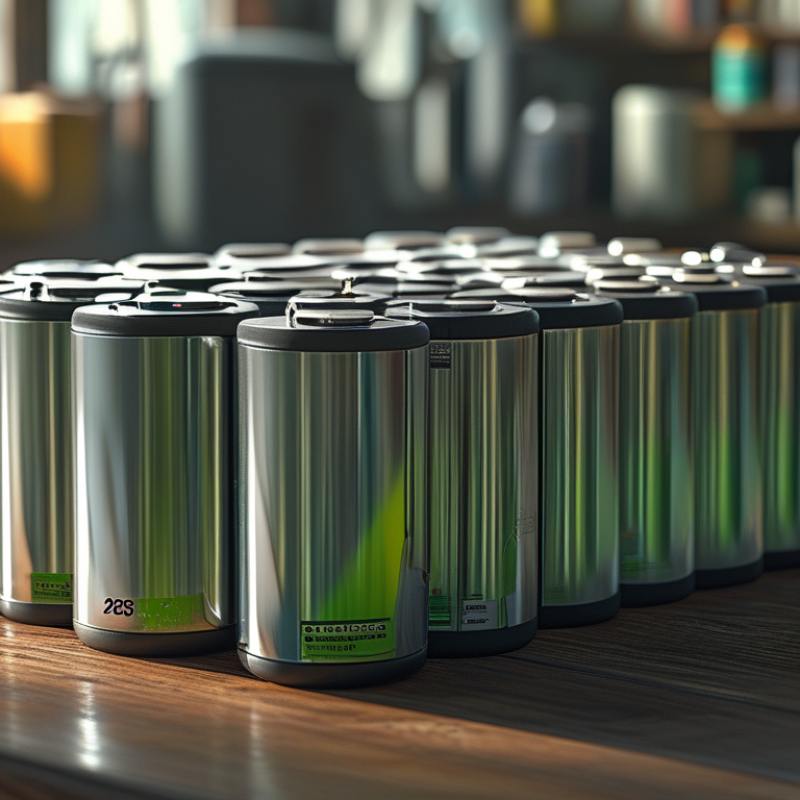
When choosing a lithium-ion battery, understanding capacity and performance factors is essential. Battery capacity is influenced by the active materials used. For instance, lithium nickel cobalt aluminum oxide (NCA) delivers higher energy density but may degrade faster under high temperatures. On the other hand, lithium iron phosphate (LFP) offers longer cycle life with lower energy density. Industry reports indicate that LFP can endure up to 3,000 cycles, while NCA typically lasts around 1,500 cycles.
Temperature significantly affects battery performance. Lithium-ion batteries can lose up to 20% capacity in extreme cold conditions. Proper thermal management is crucial for maintaining efficiency and lifespan. Ensuring correct operating temperatures can extend battery life significantly. Attention should also be paid to the charging rate; fast charging may improve convenience, but it can stress the battery and reduce overall lifespan.
Tips: Regularly check the battery temperature. Avoid deep discharges to prolong lifespan. A careful balance between energy density and thermal stability is vital. Choosing the right battery involves a thorough assessment of your usage scenario. Consider the environmental conditions and expected lifespan before making a decision. Balancing performance and longevity can be complex but is necessary for optimal utilization.
Key Specifications to Look for in Lithium Ion Batteries
When choosing a lithium-ion battery, understanding key specifications is crucial. Look for capacity, measured in milliampere-hours (mAh). Higher capacity means longer usage time. However, don’t solely rely on capacity. Discharge rates also matter. A battery with a high capacity but low discharge might not power your device efficiently.
Pay attention to voltage ratings. Common options include 3.7V and 7.4V. Ensure compatibility with your device to avoid potential failures. Additionally, check the cycle life, which indicates how many charge-discharge cycles a battery can endure. A battery may last longer than cheaper alternatives despite a higher upfront cost.
**Tip:** Always consider your specific needs. If you require fast charging, select a battery designed for quick recharge. However, be aware that high discharge can wear out a battery faster. Balancing performance and longevity is essential. Evaluate your usage patterns and choose accordingly. Remember, not every high-spec battery is the best fit for your device.
Understanding Different Lithium Ion Battery Chemistries
Choosing the right lithium-ion battery is crucial, especially with various chemistries available. Understanding the characteristics of these chemistries can help you make informed decisions. Lithium cobalt oxide (LCO) offers high energy density but has thermal stability concerns. On the other hand, lithium iron phosphate (LFP) provides excellent thermal stability and safety, making it ideal for applications where safety is paramount.
Reports show that LFP batteries have a cycle life of over 2,000 cycles, significantly outlasting LCO batteries, which often experience degradation faster. However, LFP batteries typically have lower energy density, which could be a drawback for applications requiring compact power sources. The trade-off between energy density and safety must be carefully evaluated.
Another notable chemistry is lithium nickel manganese cobalt oxide (NMC), combining the strengths of LCO and LFP. This chemistry balances performance and stability, making it popular in electric vehicles. Yet, reliance on nickel sources raises supply chain concerns. As these batteries become more prevalent, understanding their environmental impact will be essential. The transition toward sustainable mining practices is still developing, which may affect the overall reliability of these sources in the long run.
Battery Chemistry Comparison
Comparing Lifespan and Cycle Life of Lithium Ion Batteries
Choosing the right lithium-ion battery involves understanding critical factors like lifespan and cycle life. Lifespan measures how long a battery remains functional. This can range from two to ten years. Cycle life refers to the number of charge and discharge cycles a battery can complete before its capacity significantly drops. A typical lithium-ion battery lasts around 300 to 500 cycles. Some batteries may promise a higher cycle life, but real-world usage often reveals discrepancies.
When evaluating a battery, consider its intended use. For instance, a battery for electric vehicles may need higher cycle life. In contrast, stationary batteries for home use may prioritize lifespan. Always check the specifications provided by the manufacturers. However, remember that these may be optimistic estimates. Actual performance can differ based on usage patterns and environmental conditions.
It's essential to think about the battery's environmental impact too. No battery lasts forever, and end-of-life disposal is vital. Exploring recycling options or sustainable practices is a worthwhile consideration. Reflecting on these aspects can lead to a more informed decision. As you assess your choices, remember to evaluate both the numbers and the practical usage scenarios to find the best fit for your needs.
2026 How to Choose the Right Lithium Ion Battery? - Comparing Lifespan and Cycle Life of Lithium Ion Batteries
| Battery Type | Lifespan (Years) | Cycle Life (Cycles) | Capacity (Ah) | Temperature Range (°C) |
| Lithium Cobalt Oxide (LCO) | 2-3 | 500 | 1.5 - 2.2 | -20 to 60 |
| Lithium Iron Phosphate (LiFePO4) | 5-10 | 2000 | 10 - 300 | -20 to 70 |
| Lithium Manganese Oxide (LMO) | 3-5 | 800 | 1.5 - 2.5 | -20 to 60 |
| Lithium Nickel Manganese Cobalt (NMC) | 5-7 | 1000 | 2 - 3.5 | -20 to 65 |
| Lithium Titanate (LTO) | 10-15 | 7000 | 8 - 25 | -30 to 55 |
Evaluating Safety Features in Lithium Ion Battery Technology
When choosing a lithium-ion battery, safety features are crucial. These batteries can power various devices, from smartphones to electric vehicles. One common risk is overheating. Modern lithium-ion batteries incorporate thermal protection, which helps prevent excessive heat. This feature is essential for ensuring safe operation, especially during charging.
Another vital safety aspect is the battery management system (BMS). A reliable BMS continuously monitors voltage, temperature, and current. It can prevent overcharging, which might lead to hazardous situations. Some BMS designs exhibit weaknesses, however. If improperly designed, they may fail to protect against short circuits, posing risks.
Manufacturers often test their batteries under extreme conditions. This testing can reveal limitations not apparent during regular use. Yet, discrepancies in testing standards exist across different manufacturers. As consumers, we must demand transparency in these processes. Evaluating a battery’s safety features requires diligence and research. Understanding these characteristics can help ensure proper usage and longevity in various applications.





