How to Choose the Right Fuel Pump for Your Vehicle

A Fuel Pump does more than move fuel from the tank to the engine. It must deliver the pressure and flow your vehicle requires, under changing temperatures and driving loads. Choose the wrong unit, and symptoms may include hard starting, hesitation, or reduced power. Sometimes, the pump is not the cause at all. A clogged filter or electrical fault can produce similar signs.

The right choice begins with accurate vehicle details: year, make, model, engine, and fuel system. Compare the replacement pump’s pressure rating, flow capacity, connector, and fitment with the manufacturer’s specifications. A part that looks identical may still perform differently. Check reliable fitment catalogs and the vehicle service information, rather than relying on appearance or price alone. If the diagnosis is uncertain, have a qualified technician test fuel pressure and inspect the wiring before replacing parts. That extra step can prevent wasted money.

Driving habits and modifications matter, too. A stock daily driver usually needs a pump matched to its original setup; a modified engine may require different capacity and professional calibration. More flow is not automatically better. It can add cost without solving the problem. Even careful owners can miss a small detail, such as a different engine option within the same model year. This guide explains how to compare pump types, confirm compatibility, and spot warning signs, so your choice is based on evidence—not guesswork.
How to Choose the Right Fuel Pump for Your Vehicle

Understanding the Fuel Pump’s Role and Main Types

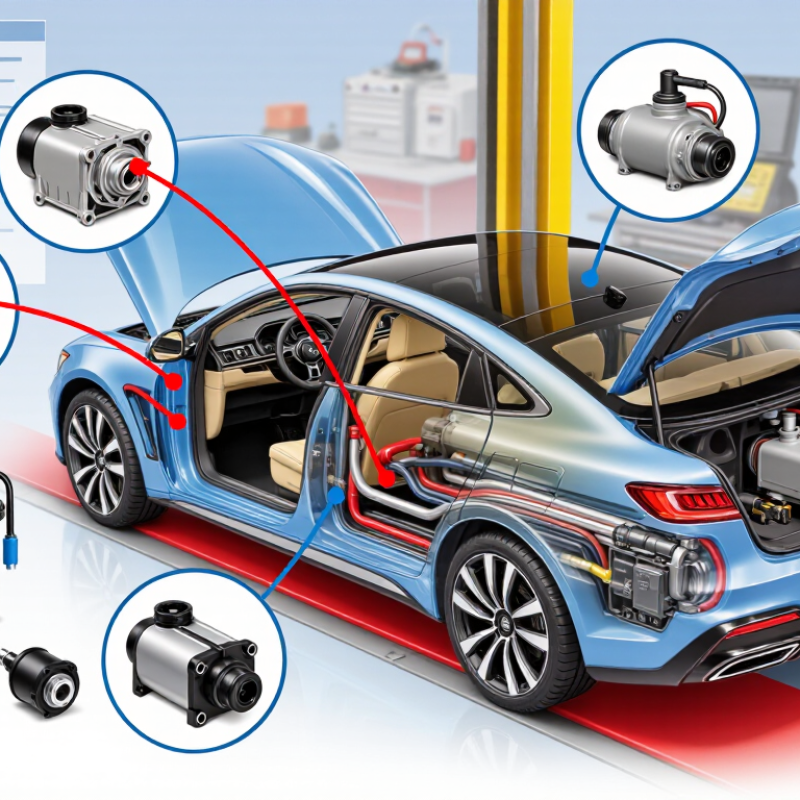
A fuel pump moves fuel from the tank to the engine and maintains the pressure the fuel system needs. In many modern vehicles, an electric pump sits inside the tank, where fuel also helps cool it. Older engines may use an engine-driven mechanical pump. Not interchangeable.

Direct-injection engines add another pump: a cam-driven high-pressure unit that raises fuel pressure at the engine. The U.S. Environmental Protection Agency’s Automotive Trends Report found gasoline direct injection in about 57% of new light-duty vehicles in model year 2022. That shift matters when replacing a pump; matching only the connector or physical size can miss the required pressure and flow.

Check the vehicle’s engine code, fuel-system design, and specified pressure before choosing a replacement. A port-injection system and a direct-injection system can use different pump arrangements, even in similar-looking vehicles. Pressure is not the whole story. Wiring, tank shape, fuel level sensing, and filter placement also affect fit. It is easy to focus on the pump itself and overlook the assembly around it.

U.S. EPA, Automotive Trends Report, 2023.

Identifying Your Vehicle’s Fuel System Requirements

A suitable fuel pump must match the vehicle’s fuel system, not just its engine size. Check the owner’s manual or repair information for the specified pressure and flow rate. A port-injection system and a direct-injection system can require very different operating pressures. Small details matter. Also identify whether the vehicle uses a return-style or returnless system, since the regulator arrangement affects pump selection.

Inspect the pump’s electrical connector, mounting shape, and fuel-line fittings before ordering. Confirm that its materials are compatible with the fuel your vehicle uses. If the engine has been modified, its demand may exceed the factory pump’s capacity, even when the original pump still fits. Do not guess. Catalog listings can be incomplete, and a part described as compatible may not meet the exact pressure requirement. Compare specifications with reliable service data, and ask a qualified technician to verify uncertain measurements. A pressure reading taken under load can reveal problems that an idle check misses. That extra check takes time, but overlooking it can lead to poor performance or hard starting.

Matching Pump Specifications to Engine Needs

Matching a pump to an engine starts with fuel demand, not the largest flow number on a box. Estimate peak horsepower and use the engine builder’s brake-specific fuel consumption figure. Forced-induction engines generally need more fuel per horsepower than naturally aspirated engines. Check pump flow at the system’s actual pressure, not just its free-flow rating. Output can drop as pressure rises. Measure voltage at the pump terminals, too; wiring losses can quietly reduce delivery. Small detail, big consequence.

Fuel choice changes the calculation. The U.S. Department of Energy’s Alternative Fuels Data Center reports that E85 contains roughly 27% to 33% less energy per gallon than gasoline. An engine calibrated for E85 may therefore require substantially greater fuel volume. Choose a pump rated for the intended fuel, pressure, and continuous duty, then verify injector capacity and regulator range. A pump cannot compensate for undersized injectors. Leave measured headroom for hot fuel, filter restriction, and voltage variation, but avoid oversizing blindly; excess flow can add heat in some return-style systems. Compare the pump’s performance curve with vehicle service data, then check pressure under load. Road testing is imperfect. Temperature and fuel level can change the results.

How to Choose the Right Fuel Pump for Your Vehicle

Match pump flow to engine power and fuel type, checking delivery at your vehicle’s actual operating pressure.

These are planning estimates for gasoline engines, calculated using typical brake-specific fuel consumption assumptions of 0.50 lb/hp·hr for naturally aspirated engines and 0.60 lb/hp·hr for boosted engines, with a 10% flow margin. Actual needs vary with engine tuning, fuel, and system pressure. Select a pump using its flow rating at your required pressure—not its free-flow rating—and confirm compatibility with the vehicle’s electrical and fuel systems.

Comparing Compatibility, Quality, and Operating Conditions

How to Choose the Right Fuel Pump for Your Vehicle

Compatibility is more than matching a vehicle’s year and model. Check the service manual for the required pressure, flow rate, voltage, and pump configuration. Some vehicles use a pump module that also contains the fuel-level sender. Connector shape and mounting depth matter, too. A pump that fits the opening may still deliver the wrong pressure. Verify the part against the engine and original equipment specifications, not just a broad online listing.

Quality shows in the details. Look for clear specifications, durable seals, corrosion-resistant materials, and reliable electrical connections. A strong pump cannot compensate for a clogged filter or contaminated tank. During replacement, inspect the wiring and clean the tank area carefully. Small debris can cause trouble. Fitment charts are useful, but they can be incomplete; comparing connector photos and measurements is a sensible extra check. When specifications conflict, pause and ask a qualified technician rather than guessing.

Operating conditions affect the choice. A vehicle used for towing or frequent heavy loads may need a pump that meets the manufacturer’s flow requirements under sustained demand. Heat, low fuel levels, and restricted filters can also increase pump strain. Avoid choosing a higher-flow unit without confirming compatibility with the engine and fuel system. More capacity is not automatically better. If symptoms such as hard starting or power loss appear, test fuel pressure before replacing parts; those signs can have other causes.

Verifying Fitment and Installation Requirements

Fitment starts with the exact vehicle configuration, not just its model name. Check the year, engine, fuel system, and any production-date notes in the service information. A vehicle may use different pump assemblies within the same model year. Small details matter. Compare the pump’s pressure and flow requirements, electrical connector, mounting points, and fuel-line connections with the original unit. If the pump is part of a larger module, confirm that the sender and sealing ring are included or compatible. A similar-looking connector is not proof of a match.

Installation requirements deserve the same care. Read the vehicle’s repair procedure before ordering, and note whether the tank must be lowered or accessed through a service panel. Confirm that the replacement fits the tank opening and that the wiring reaches without tension. Do not guess. Use the specified seal, and inspect the connector and nearby hoses for wear while access is available. Work in a well-ventilated area, relieve fuel pressure as directed, and disconnect the battery according to the service manual. It is easy to focus only on the pump itself; I would still double-check the small fittings, because one overlooked mismatch can turn a straightforward repair into a frustrating delay.


Powder Coat Booths

For those larger-sized parts, or smaller quantity runs, we have 2 independent powder coat booths and ovens. The quality, durability and affordability of today’s powder coating finishes make this the process of choice for world-class companies.

Powder coating advantages over other forms of coating are many. Materials used in the Powder coating process can be metals and non-metals that come in a multitude of thicknesses, textures, colors, etc. Another of Powder coating’s biggest advantages over conventional coatings is its ability to create finishes in many different textures. Powder Coating Booths allow us the ability to apply these advantages to large products.

Wet Paint Line

Tri-State Fabricators runs a full-service conveyor line for painting. Wet painting can provide protection or decoration to many different part styles. From start to finish, every project is easier to undergo random and point-based inspection by our skilled painting team.

Advantages to our Wet Paint Line are these lines start with product prep and ends with a thorough inspection of a high quality finished product. Our ability to complete large and small projects with a superior finish and doing so in a timely and economical fashion. This passes along the savings in production to our customers. When powder coating ins not an option, our Wet Paint Line gets the job done right the first time.

Wet Paint Booths

When the parts get big and heavy we roll-out our custom paint racks and oversize booth. By utilizing our partnerships with all the major paint brands, we can match virtually any color with wet paint.

The advantages of having access to a Wet Paint Booth are many. Large projects of many different shapes can be loaded into the booth. The Wet Paint Booth offers an environment that is much more controlled than a typical parts painting operation.

Not only are they used because of their controlled environment, but they’re are also advantageous when it comes to applying paint to parts that are needed in industries that require specialty coatings such as medical, aerospace, etc.

Military CARC

Our military forces have some very high standards when it comes to the finish of their vehicles and equipment. From the first pre-treatment step to final coat, it takes a great deal of knowledge and experience to protect the men and women of our armed forces. They deserve only the best, and Tri-State Fabricators provides it.

All of our processes are closely monitored by our staff and management teams. Both of which are highly trained in the processes of metal fabrication and finishing. Tri-State Fabricators’ goal is to always fully satisfy each and every customer, including the military. We will always put a 110% into what we do.

Glass-Bead Blasting

Abrasive media blasting is an excellent way to remove old paint, rust, and increase the paint/powder adhesion. Glass beads produce a much smoother and brighter finish than angular abrasives; leaving the part clean yet without any dimensional change. Chemically inert and environmentally friendly, we can recycle our beads approximately 30 times; making them a more preferred method of metal cleaning or surface finishing.

Advantages to Glass Bead Blasting are many. Glass bead blast media is used when a project is needing rough surfaces need to become smooth for applications of coatings such as paint. It is typically used to clean paint and rust from a product surface without deforming the surface it is being used on. Overall, compared to many other blasting media, Glass Bead Blasting is a very economical choice and those savings are always passed on to our customers.

Part Washing

Tri-State Fabricators utilize a zinc phosphate wash to clean and etch the material to ensure the best paint adhesion possible. The unique design of our 3-stage wash system does the work like a 5-stage. From Cleaning and rinsing to conversion coating and post-treatment, Our Part Washing process is a complete service and works throughout the fabrication service and the finishing service.

Along with the previously mentioned benefits, Curing is a vital chemical reaction that leaves the product finish hard and relatively safe from mild abrasion and aggressive corrosion. This process can be done in more than one way; ambient air-dry or in curing ovens at temps that exceed 240°.

Burn-Off Oven

From fixing paint mistakes (someone else’s of course) to simply cleaning our paint line hooks, our burn-off oven is put to good use. After a quick burn-off, a little clean up, and a fresh coat of paint, your parts will look better than new.

Why does our Burn-Off Oven work so well? Because super heating the air around parts turns the materials into ashes. From paint and powder coatings to rubber and machining oils, high temps do the job without degrading the integrity of the part.

Masking

Masking is a vital part of producing high quality products. We have die-cut masking patterns to protect machined surfaces as well as a wide range of plugs and caps to protect threaded holes and bolts. We provide permanent and temporary masking.

Masking allows the selected sections of a product to be protected from a fabrication or finishing service. This can be with both chemicals when etching and tapes, paints when only finishing just a section of the product. Masking is great in aiding the customization process of a project.

Screen Printing

Screen printing is a photographic process that transfers artwork onto a porous nylon screen which allows colored ink to flow through the screen and be deposited on an aluminum or plastic component. We can generally have just about any design created onto a screen for your parts.

Some of the advantages of Screen Printing are, brand recognition for your business displaying on your products, assembly instructions, product warnings/hazards, etc. Tri-State Fabricators produces Screen Printing of the highest quality so you know it’s durable.

Metal Finishing

Metal Finishing is the art of treating the exterior portion of product, often metal but can also be made of other materials, so that the surface is clean and free of any debris. Then the process of applying coats or either paint of powder coat takes place. This coating process improves the quality of the product in both appearance and resistance to wear and corrosion.

Tri-State Fabricators, Inc., understands that a project typically isn’t complete until a high-quality finish has been added to your product. This is why our painting and powder coating teams continuously inspect the products throughout the Metal Finishing process.



