Why Choose the Right Coating Machine for Your Business Needs?
Choosing the right Coating Machine for your business is a critical decision. A suitable machine enhances efficiency and ensures product quality. Many businesses overlook this choice and face challenges later. The market offers various types of coating machines, each suited for different applications. Therefore, understanding your specific needs is essential.
Consider the materials you need to coat and the production volume. A high-capacity Coating Machine may seem appealing, but it may not suit smaller operations. Investing in a quality machine can yield better results. However, cost can be a limiting factor. The right balance between price and quality is vital for long-term success.
Moreover, support and service post-purchase should not be ignored. Selecting a machine backed by a reliable manufacturer is crucial for maintenance and repairs. Business owners often reflect on past equipment choices. The right Coating Machine can significantly impact production efficiency and overall productivity. It’s an investment that requires thoughtful consideration.
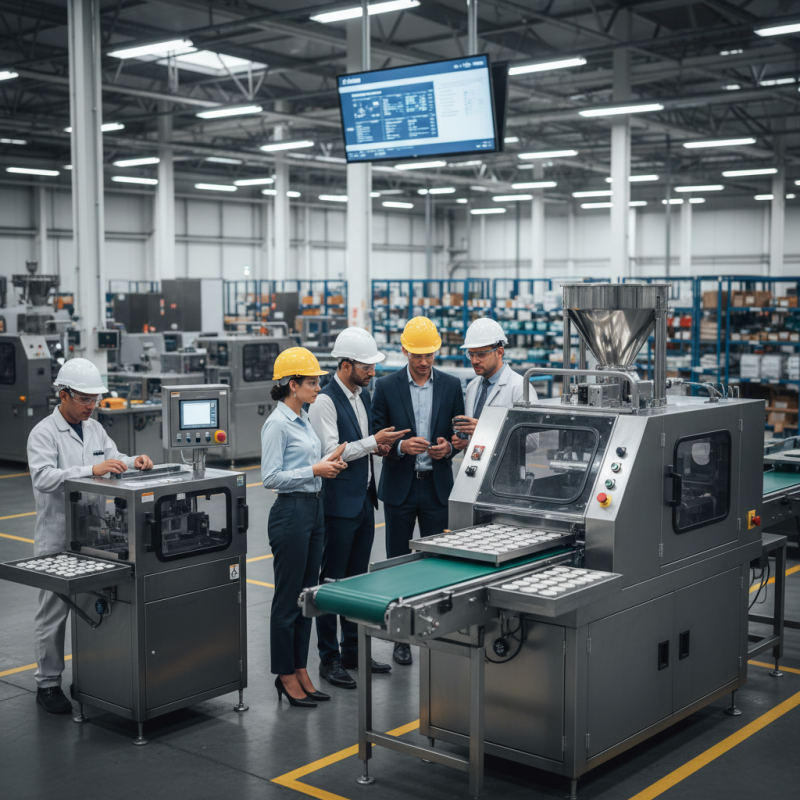
Factors to Consider When Selecting a Coating Machine
When selecting a coating machine, several crucial factors come into play. Understanding the specific needs of your production line is essential. Consider the type of materials you will work with. Different machines are designed for various substrates, impacting adhesion and finish quality. For example, if your focus is on metal coatings, you’ll need a machine designed for that specific task.
Efficiency is also a significant factor. A machine's throughput can affect your overall productivity. Analyze how quickly the machine can perform tasks while maintaining quality. Evaluating the ease of maintenance is vital. A machine that requires frequent repairs can lead to costly downtime. Ensure the technology is user-friendly, as this can reduce training time for your staff.
Lastly, consider the machine's adaptability. Your business needs may change, and flexibility is key. A coating machine that can handle different processes or substrates will save you from future investments. However, not every machine will meet every need. Balancing cost and capability should prompt further reflection. Making a hasty decision may lead to long-term repercussions. Take your time to assess all your options critically.
Types of Coating Machines and Their Applications
When selecting a coating machine, understanding the different types and their applications is crucial. Powder coating machines, for example, offer a durable finish for metal components. They are widely used in automotive and home appliance industries. In 2021, the global powder coating market was valued at approximately $14.3 billion and is projected to grow at a CAGR of 6.8% from 2022 to 2028. This growth indicates a rising preference for powder coatings due to their environmental benefits and efficiency.
Liquid coating machines, on the other hand, provide versatility across various substrates. Industries such as furniture, electronics, and industrial equipment heavily rely on them. The liquid coating segment is expected to witness substantial growth, estimated to reach $14.2 billion by 2025. However, challenges remain. Businesses must ensure proper ventilation and safety measures due to VOC emissions.
Finally, advanced coating techniques like electrostatic spray and UV coating are gaining traction. These technologies enhance precision and speed, catering to the needs of high-volume production lines. Yet, the initial investment can be a hurdle for smaller businesses. It’s essential to weigh the long-term benefits against immediate costs. Exploring these factors ensures a well-informed decision for your specific business needs.
Evaluating Production Volume and Efficiency Needs
Choosing the right coating machine for your production line is crucial. Understanding your production volume is a key factor. If your business runs high-volume operations, a machine with faster speeds is essential. However, if your needs are modest, investing in high-speed equipment may lead to inefficiencies and unnecessary costs.
Efficiency is about more than just speed. It's important to consider the type of coatings you are applying. Different materials may require specific machines. An unsuitable choice can compromise product quality. If a machine doesn't handle various coatings well, you may face downtime. This can affect overall productivity and increase expenses.
Evaluate your current and future production needs. A machine fitting your existing volume may not suit expansions. Look for flexibility and scalability in your equipment. A machine that adapts to changing demands can save headaches later. Balancing efficiency with your specific application requirements is vital for success.
Cost Analysis: Budgeting for a Coating Machine Investment
Investing in a coating machine can be a significant financial decision for businesses. According to industry reports, the average cost of a quality coating machine ranges from $20,000 to $100,000, depending on the complexity and features. This investment should align with production needs and expected output. A thorough cost analysis must include not only the purchase price but also maintenance expenses, operational costs, and potential downtime.
Understanding the total cost of ownership is vital. Studies indicate that maintenance can account for up to 15% of the machine's initial cost each year. For instance, a $50,000 machine may require about $7,500 for maintenance over its lifespan. This figure often surprises many. Moreover, energy consumption can add to operating costs, depending on efficiency ratings. Businesses need to assess their production volume; inefficient machines may lead to escalating costs over time.
Choosing the right coating machine means weighing upfront expenses against long-term ROI. A cheaper option might seem appealing initially but could result in higher operational costs. The right balance ensures productivity without excessive expenditure. A recent survey showed that 30% of companies underestimated their long-term costs when selecting equipment. It’s essential to revisit these calculations regularly to adapt to changing market conditions and technology advancements.
Why Choose the Right Coating Machine for Your Business Needs? - Cost Analysis: Budgeting for a Coating Machine Investment
| Coating Machine Type | Initial Cost (USD) | Annual Maintenance Cost (USD) | Average Output (Units/Month) | Energy Consumption (kWh/Month) | Payback Period (Years) |
| Spray Coating Machine | $15,000 | $1,200 | 500 | 300 | 3 |
| Roll Coater | $25,000 | $1,800 | 1,000 | 450 | 4 |
| Dip Coater | $10,000 | $800 | 400 | 250 | 2 |
| Pneumatic Coater | $20,000 | $1,500 | 750 | 400 | 3.5 |
| Electrostatic Coater | $30,000 | $2,000 | 600 | 350 | 5 |
Maintenance and Support: Ensuring Longevity of Equipment
Proper maintenance of coating machines is essential for longevity. Regular checks can prevent unexpected breakdowns. Simple tasks, like cleaning filters, should be routine. Lubrication of moving parts is often overlooked. Yet, this is critical to keep machines running smoothly. Scheduling professional inspections helps identify issues before they become major problems.
Support and training also play a vital role. Staff should understand the machine's functions. They need to know how to troubleshoot basic issues. Knowledge empowers them to manage daily operations better. Many businesses underestimate the importance of thorough employee training. This leads to inefficiencies and safety risks. Regular training sessions can resolve these challenges.
Documentation is key for smooth operation. Keeping detailed records of maintenance helps track performance. This way, patterns emerge, highlighting when replacements are needed. Ignoring this data can result in costly downtimes. A proactive approach will ultimately protect your investment. Regular maintenance and strong support can ensure that your coating machine serves your business effectively.





