How to Choose the Best Flexo Printer for Your Business Needs?
Choosing the right Flexo Printer can significantly impact your business. A quality printer ensures efficiency, accuracy, and cost-effectiveness. Flexo Printers are known for their versatility across various substrates. With many options available, the decision process can be overwhelming.
Understanding your business needs is crucial. Think about the types of materials you will print on. Consider the volume of your printing requirements. It’s essential to balance quality with production speed. A good Flexo Printer should produce vibrant colors and sharp images consistently. Pay attention to the technical features that suit your business.
Prioritize reliability and support from the manufacturer. Research reviews and case studies related to different models. A printer is an investment; don’t rush the decision. Engaging with industry experts may help you make a better choice. Embrace the journey of finding a Flexo Printer as part of your growth strategy.
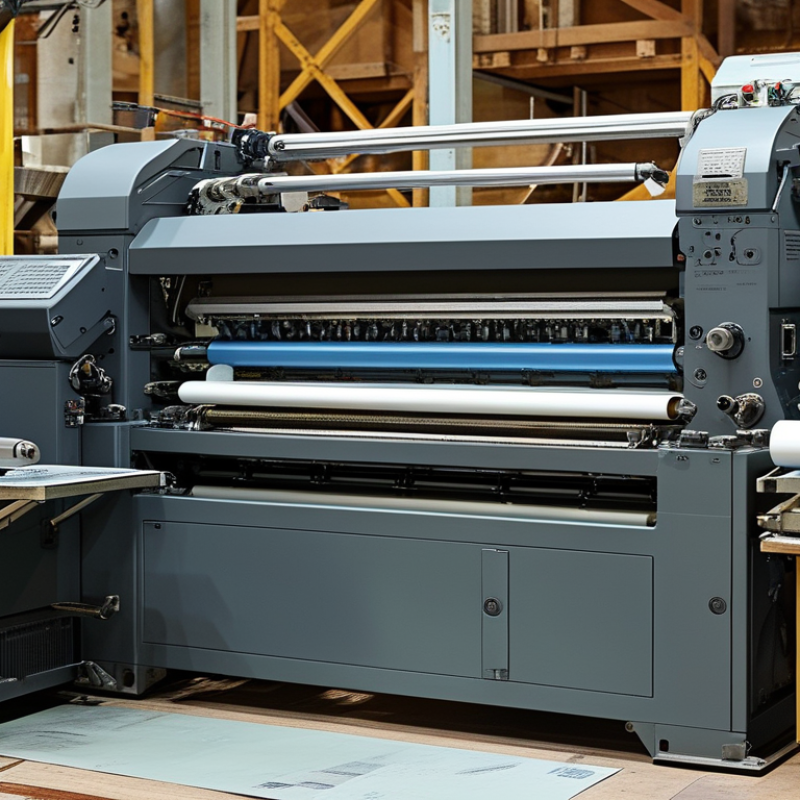
Understanding Flexo Printing Technology and Its Applications
Flexographic printing, commonly known as flexo printing, is a versatile and efficient method used globally. It utilizes flexible relief plates to print on various substrates. This technology is particularly effective for continuous patterns and long runs. In recent years, the flexo printing industry has seen significant growth, with the market expected to reach over $30 billion by 2026, as reported by market analysts.
The applications of flexo printing are vast. It is widely used in packaging, labels, and newspapers. According to industry studies, about 30% of all printed packaging products are produced using flexographic methods. This illustrates its importance in the packaging sector. In addition to that, flexo printing is favored for its ability to produce high-quality prints at speed. This efficiency can be a game-changer for businesses looking to meet consumer demands swiftly.
While flexo printing offers many advantages, there are areas that can lead to challenges. Color accuracy and consistency are often cited as critical concerns, especially with variations in substrates. Regular maintenance of equipment is essential to ensure optimal performance. Adapting to new technologies within flexo printing also poses a learning curve for some businesses. Addressing these challenges can help maximize the benefits of this printing method and improve overall product quality.
Key Factors to Consider When Selecting a Flexo Printer for Your Business
When selecting a flexo printer for your business, key factors play a vital role. First, consider the printing volume. Understanding your production needs is crucial. A higher volume requires a more robust machine, while smaller operations can benefit from more compact models. Evaluate the types of substrate you will print on. Flexo printers offer versatility for various materials. This flexibility can significantly impact your decision.
Quality and resolution are equally important. Look into the specifications to ensure the printer meets industry standards. Higher resolution results in sharper images. While price is a factor, it should not be the sole focus. A cheaper printer may compromise on quality and speed. Balancing cost and performance is essential for long-term success.
Also, think about maintenance and support. A reliable service team can save time and money. Technical difficulties can disrupt production. Some printers require regular upkeep. Understanding these needs can guide your choice. Reflect on your current and future needs. A choice that works now may not meet future demands. Consider scalability when making your decision.
How to Choose the Best Flexo Printer for Your Business Needs? - Key Factors to Consider When Selecting a Flexo Printer for Your Business
| Dimension | Description | Importance |
| Print Speed | Measured in meters per minute, this indicates how quickly the printer can produce prints. | High importance for meeting production deadlines. |
| Print Quality | Determined by factors such as resolution and color fidelity. | Crucial for customer satisfaction and brand representation. |
| Flexibility | Ability to print on various substrates and types of packaging. | Important for businesses with diverse product offerings. |
| Cost of Ownership | Includes purchase price, maintenance costs, and consumables. | Key for budgeting and financial planning. |
| Ease of Use | Refers to the user interface and the learning curve required to operate the printer. | High importance for training efficiency and reducing downtime. |
| Technical Support | Availability and quality of customer service and technical assistance. | Vital for minimizing disruptions during production. |
| Environmental Impact | Consideration of sustainability, waste management, and energy consumption. | Increasingly important for compliance and corporate responsibility. |
Assessing Your Production Volume and Print Quality Requirements
When selecting a flexo printer, understanding your production volume is crucial. The scale of production directly influences your choice. High-volume operations need printers that can handle large runs efficiently. Look for models with faster print speeds and better uptime. However, do not compromise on print quality for speed. Balancing the two can be tricky.
Examining print quality requirements is equally important. Different projects may demand various printing standards. For instance, labels need crisp images, while packaging might require vibrant colors. Consider your target audience and application. This adds another layer of complexity. Finding the sweet spot between quality and cost-effectiveness requires research. Take time to explore printing trials or samples to assess what suits your needs best. Prioritize a printer that aligns with both your volume and quality expectations.
How to Choose the Best Flexo Printer for Your Business Needs?
This chart illustrates the relationship between production volume and print quality requirements among different types of flexo printers. Analyzing these metrics can help you make an informed decision when choosing a flexo printer for your business.
Evaluating Printer Features and Specifications for Optimal Performance
Choosing the right flexo printer requires careful evaluation of features and specifications. This ensures that you meet specific business needs effectively. One important aspect to consider is the printing speed. Reports indicate that faster printers can provide up to 300 meters per minute. This is crucial for high-volume production environments. A mismatch here can slow down operations and increase costs.
Print quality is another critical factor. Modern flexo printers offer a range of resolutions, typically between 300 and 1200 DPI. Higher resolutions provide better image clarity, which can significantly improve product appeal. Brands in competitive industries often report a 30% increase in customer satisfaction with high-quality prints. Assessing the color consistency and registration accuracy is also vital. Poor registration can lead to waste, impacting both the environment and your bottom line.
Another area needing careful reflection is ease of use. User-friendly interfaces can greatly enhance efficiency. Some operators find complex systems frustrating and challenging. This can slow down training and production. Flexo printer technology is evolving, yet finding the right balance between advanced features and operator accessibility remains a challenge. As businesses grow, the demand for flexible, adaptable printing solutions increases. It’s essential to continually evaluate these factors to stay competitive.
Comparing Cost, Maintenance, and Support Options in Flexo Printers
Choosing the right flexo printer involves careful consideration of cost, maintenance, and support. Costs can vary significantly based on printer features and capabilities. While a lower initial investment might be tempting, it often leads to higher operational costs over time. This is where businesses can feel the strain on budgets. Understanding the total cost of ownership is crucial. Investing in a slightly more expensive printer might save money in the long run if it offers better efficiency and lower maintenance needs.
Maintenance is another critical aspect. Some flexo printers require frequent upkeep, which can disrupt production. Researching the maintenance schedules and understanding the parts that may wear out can provide insight into future expenses. Printers that are designed for easy serviceability can be a lifesaver during peak times. In contrast, complex machines could lead to frequent downtimes, affecting overall productivity.
Finally, consider the support options available. Reliable technical support can reduce downtime and streamline operations. A lack of support can turn minor issues into major problems. Look for manufacturers that provide comprehensive training and responsive service. Reflect on past experiences with technical support in your industry. A printer that is built to last is only as good as the support backing it.





