


How to Choose the Best Booster Seat in 2026?

Choosing a Booster Seat in 2026 is not just about comparing prices or picking a familiar brand. The right choice depends on your child’s size, your vehicle, and whether the seat belt fits correctly. A child should sit with their back against the vehicle seat, knees bending comfortably at the edge. The lap belt should rest low across the hips, while the shoulder belt crosses the chest without rubbing the neck. Fit matters.

A seat that works well in one car may feel awkward in another. If possible, check how it sits across your back seat and whether your child can buckle independently without twisting the belt. High-back models can provide head and side support, while backless models may suit vehicles with appropriate head restraints. Neither style is automatically best for every family. It is tempting to focus on extra features, but daily comfort and correct belt positioning matter more. I would pause over any product claim that promises a “perfect” fit for every child.

This guide will help you compare seat types, fit, ease of use, cleaning, and value. Check the seat’s instructions and your vehicle manual before buying; recommendations and requirements can vary by location and model. Look for current safety information from reliable sources, and check whether a product has been recalled. A few minutes of checking can prevent a poor match. No seat fits every situation. The best choice is the one your child can use correctly on every ride, not just the one with the longest feature list.
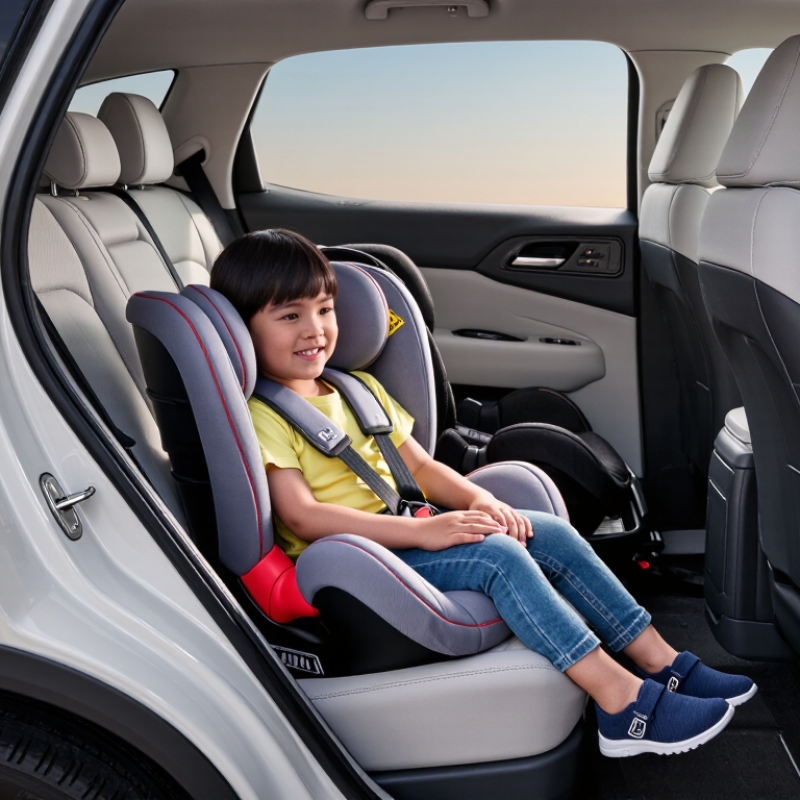
How to Choose the Best Booster Seat in 2026?

Understanding Booster Seats and When a Child Is Ready

Choosing the best booster seat in 2026 begins with checking whether your child is ready for one. A booster helps position the vehicle’s lap-and-shoulder belt; it does not restrain a child by itself. Readiness usually comes after a child outgrows a forward-facing harness, following the seat’s height and weight limits. Your child should also sit upright without slouching or leaning throughout the ride. That sounds simple, but busy trips can make good posture harder to maintain.

Tips: Check belt fit with the child seated against the vehicle seat. The lap belt should rest low across the hips and upper thighs, not the stomach. The shoulder belt should cross the chest and shoulder, not the neck or face. Knees should bend comfortably at the seat edge. If your child keeps shifting out of position, they may need more time in a harnessed seat.

Choose a booster that fits your child and vehicle, and follow both manuals closely. A backless booster may work where the vehicle seat provides head support; a high-back model can offer support when it does not. Keep children in the back seat, following current safety guidance. Fit can vary between vehicles, so try the belt path before relying on a seat for daily travel. Sometimes a seemingly small mismatch matters.


Comparing High-Back and Backless Booster Seats

How to Choose the Best Booster Seat in 2026? Comparing High-Back and Backless Booster Seats

A high-back booster can help position the shoulder belt and support a child’s head when the vehicle seat has a low backrest. Its sides may also feel more comfortable on longer trips. Check that the booster fits the vehicle, especially if the back seat is narrow. A bulky seat can crowd nearby passengers.

A backless booster is lighter and easier to move between cars. It may suit a child whose ears sit below the vehicle’s head restraint and whose belt fits correctly. In either style, the lap belt should rest low across the hips, while the shoulder belt crosses the chest—not the neck or face. Fit matters most. I might once have chosen for convenience alone; that misses the belt fit.

Tips: Try the booster in the actual vehicle before deciding. Have the child sit upright, with knees bending comfortably at the seat edge. Check the seat and vehicle manuals for size limits and installation guidance. If the belt shifts when the child leans or slouches, reassess the fit. Little details matter.

How to Choose the Best Booster Seat in 2026? — High-Back vs. Backless

Both types raise a child to help position the vehicle’s lap-and-shoulder belt. High-back boosters add back and head support; backless boosters do not. Bars show typical feature presence, not safety ratings. Features vary by model, so check the seat manual and vehicle instructions.

Checking Safety Standards, Vehicle Fit, and Seat-Belt Position

A booster seat is useful only when it fits both the child and the vehicle. Check the seat’s safety label and instructions for the standards that apply where you live. Requirements can change, so confirm details with a current, trusted safety authority. Also check the child’s height and weight against the seat’s limits. Close enough is not a reliable fit.

Try the booster in the vehicle before relying on it for daily trips. The child should sit upright, with knees bending comfortably near the seat edge. The lap belt should lie low across the hips and upper thighs, not the stomach. The shoulder belt should cross the middle of the chest and shoulder, away from the neck and face. It should not slip under an arm. A high-back model may help when the vehicle seat lacks suitable head support; check both manuals for fit guidance. Small differences between car seats matter.

Tips: Have the child buckle up and sit still for a few minutes. Watch the belt as they move. If it shifts, pinches, or rides high, reassess the fit. I still find this check easy to rush. Don’t.

How to Choose the Best Booster Seat in 2026? - Checking Safety Standards, Vehicle Fit, and Seat-Belt Position

What to Check How to Evaluate It A Good Fit Looks Like Why It Matters
Safety certification Check the restraint’s labels and instructions for compliance with the safety standards that apply where you live. In the United States, look for the statement that the child restraint conforms to all applicable Federal Motor Vehicle Safety Standards. The required certification statement is present, legible, and consistent with the product’s instructions and intended use. Certification indicates that the restraint is intended to meet applicable regulatory requirements. It does not, by itself, confirm that the booster will fit a particular child or vehicle.
Child’s size and readiness Check the booster’s manufacturer-specified height and weight limits. Confirm that the child can sit upright without leaning, slouching, or moving the belt out of position during the ride. The child is within the booster’s stated limits and can maintain the correct seating position for the whole trip. Correct belt positioning depends on both the booster and the child’s ability to remain properly seated.
Lap-belt position Buckle the child in and inspect where the lap portion of the belt rests. The lap belt lies low and snug across the hips and upper thighs, not across the soft abdomen. A properly positioned lap belt helps keep the restraint on the stronger hip and thigh area.
Shoulder-belt position Check the belt’s path across the child’s upper body. Use a belt guide only as directed by the booster’s instructions. The shoulder belt crosses the middle of the chest and shoulder. It does not cut across the neck or slip off the shoulder. The belt must stay correctly positioned to restrain the upper body in a crash.
Vehicle belt type Confirm that the seating position has a lap-and-shoulder belt and that the belt can move and retract as intended. The booster is used with a lap-and-shoulder belt, and the belt is not twisted, trapped, or blocked by the vehicle or booster. Boosters are designed to position a lap-and-shoulder belt. Do not use a booster with a lap-only belt.
Seat depth and knee bend Have the child sit with their back against the vehicle seat and check where the seat edge meets their legs. The child’s knees bend comfortably at the edge of the vehicle seat while their back remains against the seatback. A comfortable sitting position makes it easier for the child to stay upright and keep the belt correctly placed.
Head and back support Check the booster and vehicle seat instructions for head-support requirements. For a backless booster, confirm that the vehicle seat or head restraint supports the child’s head. The child’s head is supported, and the booster sits securely on the vehicle seat without interfering with the head restraint. Suitable support and compatibility help the child sit comfortably and allow the booster to be used as intended.
Booster stability and vehicle fit Place the booster in the intended seating position and check for interference with the seat cushion, seat contours, buckles, or adjacent restraints. The booster rests flat and stable, and the child can buckle and unbuckle without the belt being trapped or misrouted. Vehicle seats and belt systems vary. A booster that works in one seating position may not fit another.
Backless or high-back design Choose a design that works with the vehicle’s head support, belt geometry, and the child’s comfort. Follow the instructions for the specific restraint. The selected type provides the required support and keeps both portions of the belt correctly positioned in that vehicle. Neither design is automatically the best choice for every child and vehicle; proper fit and correct use are essential.
Expiration, damage, and instructions Check the restraint’s labels and manual for its useful-life limit, cleaning guidance, and restrictions. Do not use a damaged restraint or one with missing instructions. The booster is within its stated service life, has no visible damage, and can be used according to its instructions. Materials, components, and usage requirements vary by product. The manufacturer’s guidance determines the restraint’s limits.
Back-seat use and local laws Check current child-passenger laws for your location and the vehicle manual’s seating-position guidance. The child uses an appropriate rear seating position whenever possible, and all local requirements are followed. Age, height, and restraint requirements differ by jurisdiction. A general guide cannot replace local law or vehicle instructions.

Final fit check: Before each trip, confirm that the lap belt stays low on the hips and the shoulder belt crosses the chest and shoulder. Follow both the booster’s instructions and the vehicle owner’s manual; requirements and compatibility can vary by product, vehicle, and location.

Choosing Features That Match Your Child and Daily Travel

How to Choose the Best Booster Seat in 2026?
Choosing Features That Match Your Child and Daily Travel

Start with your child’s fit, not the seat’s appearance. A booster should help the vehicle’s lap belt sit low across the hips and the shoulder belt cross the middle of the chest. Check the seat and vehicle manuals for height, weight, and installation guidance. If your child slouches, leans sideways, or slips the shoulder belt behind their back, the setup may not fit well. Small details matter.

Think about where and how you travel. A high-back model may offer head and side support, especially when a vehicle’s seatback is low. A backless option can be easier to move between cars, but it depends on the vehicle providing suitable head support. Measure the seating space, and consider whether an adult can still buckle the belt comfortably beside the booster. Cup holders sound minor. On a long school run, they may help keep a water bottle from rolling underfoot. Still, convenience should not outweigh a secure belt fit. I would also reconsider any choice that feels awkward to buckle; daily friction can lead to rushed, inconsistent use. Before regular trips, check the belt position with your child seated upright, and recheck as they grow.

Installing, Using, and Maintaining a Booster Seat Correctly

How to Choose the Best Booster Seat in 2026?
Installing, Using, and Maintaining a Booster Seat Correctly

A booster seat helps position an adult seat belt across a child’s stronger bones. Choose one that suits your child’s height and weight, and check both manuals before installation. Place it in the vehicle’s back seat on a firm, flat cushion. The lap belt should sit low across the hips, not the stomach. The shoulder belt should cross the middle of the chest and shoulder. Keep it flat, without twists. A quick tug may feel reassuring, but it does not confirm a proper fit. Have the child sit upright and buckle themselves only if they can do so reliably on every trip.

Tips: Check belt fit while the vehicle is parked. Keep bulky coats off; they can leave hidden slack. Make sure the belt retracts freely.

Inspect the booster regularly for cracks, loose parts, or damaged belt guides. Clean it according to its care instructions, since harsh cleaners can damage some materials. Check the seat’s labels for its expiration date and replacement guidance. After a crash, follow the manufacturer’s instructions; replacement advice can vary. Children can grow quickly, so reassess belt fit as they get taller. It is easy to assume last month’s fit still works. Don’t assume.

Powder Coat Booths

For those larger-sized parts, or smaller quantity runs, we have 2 independent powder coat booths and ovens. The quality, durability and affordability of today’s powder coating finishes make this the process of choice for world-class companies.

Powder coating advantages over other forms of coating are many. Materials used in the Powder coating process can be metals and non-metals that come in a multitude of thicknesses, textures, colors, etc. Another of Powder coating’s biggest advantages over conventional coatings is its ability to create finishes in many different textures. Powder Coating Booths allow us the ability to apply these advantages to large products.

Wet Paint Line

Tri-State Fabricators runs a full-service conveyor line for painting. Wet painting can provide protection or decoration to many different part styles. From start to finish, every project is easier to undergo random and point-based inspection by our skilled painting team.

Advantages to our Wet Paint Line are these lines start with product prep and ends with a thorough inspection of a high quality finished product. Our ability to complete large and small projects with a superior finish and doing so in a timely and economical fashion. This passes along the savings in production to our customers. When powder coating ins not an option, our Wet Paint Line gets the job done right the first time.

Wet Paint Booths

When the parts get big and heavy we roll-out our custom paint racks and oversize booth. By utilizing our partnerships with all the major paint brands, we can match virtually any color with wet paint.

The advantages of having access to a Wet Paint Booth are many. Large projects of many different shapes can be loaded into the booth. The Wet Paint Booth offers an environment that is much more controlled than a typical parts painting operation.

Not only are they used because of their controlled environment, but they’re are also advantageous when it comes to applying paint to parts that are needed in industries that require specialty coatings such as medical, aerospace, etc.

Military CARC

Our military forces have some very high standards when it comes to the finish of their vehicles and equipment. From the first pre-treatment step to final coat, it takes a great deal of knowledge and experience to protect the men and women of our armed forces. They deserve only the best, and Tri-State Fabricators provides it.

All of our processes are closely monitored by our staff and management teams. Both of which are highly trained in the processes of metal fabrication and finishing. Tri-State Fabricators’ goal is to always fully satisfy each and every customer, including the military. We will always put a 110% into what we do.

Glass-Bead Blasting

Abrasive media blasting is an excellent way to remove old paint, rust, and increase the paint/powder adhesion. Glass beads produce a much smoother and brighter finish than angular abrasives; leaving the part clean yet without any dimensional change. Chemically inert and environmentally friendly, we can recycle our beads approximately 30 times; making them a more preferred method of metal cleaning or surface finishing.

Advantages to Glass Bead Blasting are many. Glass bead blast media is used when a project is needing rough surfaces need to become smooth for applications of coatings such as paint. It is typically used to clean paint and rust from a product surface without deforming the surface it is being used on. Overall, compared to many other blasting media, Glass Bead Blasting is a very economical choice and those savings are always passed on to our customers.

Part Washing

Tri-State Fabricators utilize a zinc phosphate wash to clean and etch the material to ensure the best paint adhesion possible. The unique design of our 3-stage wash system does the work like a 5-stage. From Cleaning and rinsing to conversion coating and post-treatment, Our Part Washing process is a complete service and works throughout the fabrication service and the finishing service.

Along with the previously mentioned benefits, Curing is a vital chemical reaction that leaves the product finish hard and relatively safe from mild abrasion and aggressive corrosion. This process can be done in more than one way; ambient air-dry or in curing ovens at temps that exceed 240°.

Burn-Off Oven

From fixing paint mistakes (someone else’s of course) to simply cleaning our paint line hooks, our burn-off oven is put to good use. After a quick burn-off, a little clean up, and a fresh coat of paint, your parts will look better than new.

Why does our Burn-Off Oven work so well? Because super heating the air around parts turns the materials into ashes. From paint and powder coatings to rubber and machining oils, high temps do the job without degrading the integrity of the part.

Masking

Masking is a vital part of producing high quality products. We have die-cut masking patterns to protect machined surfaces as well as a wide range of plugs and caps to protect threaded holes and bolts. We provide permanent and temporary masking.

Masking allows the selected sections of a product to be protected from a fabrication or finishing service. This can be with both chemicals when etching and tapes, paints when only finishing just a section of the product. Masking is great in aiding the customization process of a project.

Screen Printing

Screen printing is a photographic process that transfers artwork onto a porous nylon screen which allows colored ink to flow through the screen and be deposited on an aluminum or plastic component. We can generally have just about any design created onto a screen for your parts.

Some of the advantages of Screen Printing are, brand recognition for your business displaying on your products, assembly instructions, product warnings/hazards, etc. Tri-State Fabricators produces Screen Printing of the highest quality so you know it’s durable.

Metal Finishing

Metal Finishing is the art of treating the exterior portion of product, often metal but can also be made of other materials, so that the surface is clean and free of any debris. Then the process of applying coats or either paint of powder coat takes place. This coating process improves the quality of the product in both appearance and resistance to wear and corrosion.

Tri-State Fabricators, Inc., understands that a project typically isn’t complete until a high-quality finish has been added to your product. This is why our painting and powder coating teams continuously inspect the products throughout the Metal Finishing process.
