Why Choose Solar Panel Roof Mount for Your Home Energy Needs?
In recent years, solar energy has become a focal point in sustainable living. Residential solar panel roof mount systems are gaining popularity for their efficiency and convenience. According to the Solar Energy Industries Association (SEIA), the U.S. solar market grew by 167% in just six years, indicating a robust shift towards renewable energy. Homeowners are increasingly opting for solar panel roof mounts as a viable energy solution. This is driven by rising electricity prices and the desire for energy independence.
Solar panel roof mounts provide a multitude of benefits. They can reduce energy bills significantly, providing savings that accumulate over the years. The average system installation can save homeowners over $20,000 in energy costs throughout its lifespan. However, reliance on solar energy isn’t without challenges. Initial installation costs can be high, and weather variations may affect efficiency. It is essential to evaluate these factors carefully before making a decision.
As we move towards a more sustainable future, the importance of renewable energy sources cannot be overstated. Embracing solar panel roof mounts is not only a wise financial choice but also an eco-conscious one. Yet, balancing cost, efficiency, and practicality requires careful reflection. Understanding these aspects is key to making informed energy decisions for your home.
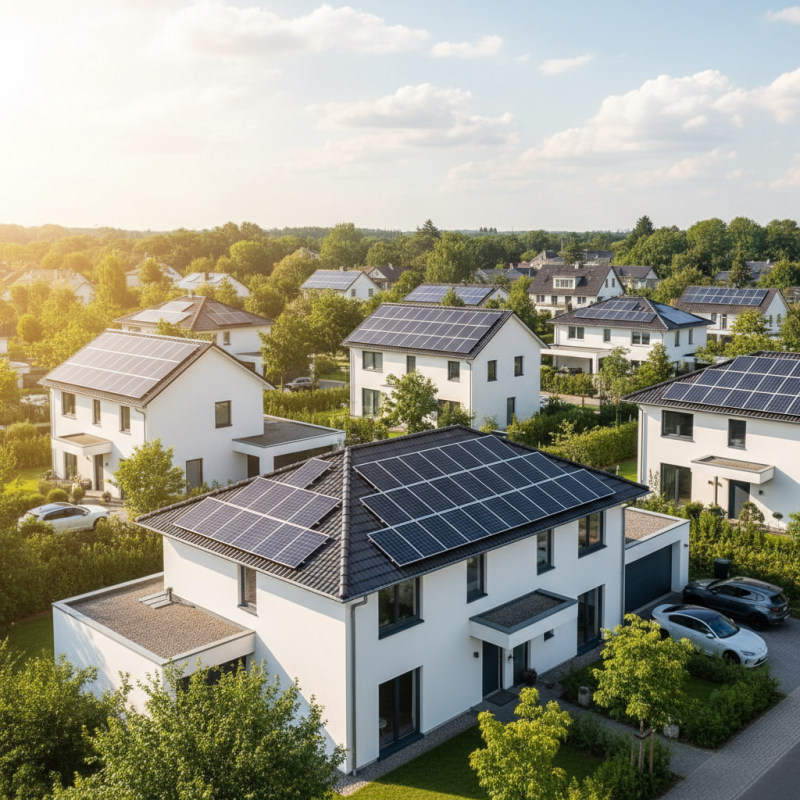
Benefits of Solar Panel Roof Mounts for Homeowners
Solar panel roof mounts provide homeowners with a sustainable energy option. By utilizing sunlight, these systems lower electricity bills. They also reduce dependence on fossil fuels. A well-placed solar panel can capture maximum sunlight throughout the day. This efficiency translates into more energy savings.
Installation of solar panels can seem daunting. Some homeowners worry about their roof's structure. Will it support additional weight? Others may have concerns about aesthetic appeal. It's important to consult with an expert for a professional opinion. With the right guidance, worries can often be resolved.
Moreover, the long-term benefits are significant. Most solar panels have a lifespan of 25 years or more. This means consistent savings over time. While there may be upfront costs, many local rebates can ease this burden. Solar energy systems also increase home value. A house equipped with solar panels can attract eco-conscious buyers. The decision to go solar is not just practical; it aligns with a growing commitment to renewable energy.
How Solar Panels Work: Understanding the Technology
Solar panels are becoming popular for energy production in homes. Understanding how they work is key to maximizing their benefits. Solar panels convert sunlight into electricity using photovoltaic cells. These cells absorb sunlight and generate direct current (DC) electricity. An inverter then converts DC electricity into alternating current (AC), which powers your home.
To make the most of solar energy, consider the following tips. First, assess your roof’s exposure to sunlight. Ensure there are minimal obstructions like trees or tall buildings. Placement matters significantly for optimal energy capture. Second, monitor your energy consumption. Knowing your usage patterns can help you design a more effective solar system. Smaller systems may suffice for some homes, while larger needs may require additional panels.
Solar technology is not perfect. Factors such as weather conditions can decrease efficiency. Therefore, it’s essential to evaluate the performance regularly. Look for unusual drops in energy production. Being proactive can prevent unwanted surprises regarding energy bills. Additionally, investing in a solar battery can enhance energy efficiency, storing excess power for cloudy days.
Why Choose Solar Panel Roof Mount for Your Home Energy Needs? - How Solar Panels Work: Understanding the Technology
| Feature | Description | Benefits |
| Energy Efficiency | Solar panels convert sunlight into electricity. | Reduces dependency on grid power and lowers electricity bills. |
| Environmentally Friendly | Solar energy is renewable and reduces carbon footprint. | Contributes to a sustainable future and combats climate change. |
| Low Maintenance | Solar panels require minimal upkeep once installed. | Saves time and costs on maintenance compared to other energy systems. |
| Government Incentives | Many regions offer tax credits and rebates for solar panel installation. | Significantly reduces installation costs for homeowners. |
| Energy Independence | Helps homeowners generate their own electricity. | Increases resilience to energy price fluctuations and outages. |
Cost Savings and Financial Incentives for Solar Energy
Investing in solar panel roof mounts can substantially reduce your energy costs. Many homeowners see a decrease in their electricity bills by around 50%. This reduction stems from harnessing solar energy to power daily activities. According to the Solar Energy Industries Association, over 3 million homes in the U.S. have adopted solar energy, reflecting a significant trend toward renewable sources.
Financial incentives can enhance savings. The federal solar tax credit allows homeowners to deduct 26% of installation costs from their federal taxes. Numerous states also offer rebates, further reducing out-of-pocket expenses. A study from the National Renewable Energy Laboratory indicates that homeowners can break even on their solar investment within 5 to 7 years, making it an attractive long-term strategy.
Tips: Before installation, consider your roof’s orientation. A south-facing roof maximizes sunlight exposure. Additionally, keep track of state incentives; they often change. Regular maintenance of solar panels is essential for optimal performance. Even small inefficiencies can lead to substantial long-term losses. Be proactive to ensure your investment flourishes.
Factors to Consider When Choosing Roof-Mounted Solar Panels
When considering roof-mounted solar panels, several factors are crucial. First, assess your roof's condition and orientation. A well-maintained roof with a southern exposure is optimal for solar energy collection. The National Renewable Energy Laboratory (NREL) states that roofs with an angle of 30 to 45 degrees achieve higher efficiency. However, even flat roofs can be adapted with the right mounting systems.
Next, energy needs play a significant role. Analyze your electricity usage over the past year. According to the U.S. Energy Information Administration, homes consume an average of 877 kWh per month. Understanding your consumption helps determine the number of panels required. Moreover, local solar incentives and rebates vary significantly. In some regions, these can offset installation costs by up to 30%.
Finally, consider the installation process and long-term maintenance. While many homeowners prefer DIY installations, professional services ensure compliance and safety. A report from the Solar Energy Industries Association indicates that professionally installed systems perform better over time. Remember, even minor installation errors can lead to decreased efficacy. Assess all these aspects to make an informed decision for your energy future.
Maintenance and Longevity of Solar Panel Roof Systems
When considering a solar panel roof mount, it's essential to think about maintenance and longevity. A well-installed system can last 25 years or more. Regular checks can help maximize efficiency. A simple inspection of mounts, wiring, and panels is often all that's needed. These tasks may seem minor, but they play a crucial role in performance.
Cleaning is another vital aspect. Dust and debris can hinder sunlight absorption. Depending on your location, panels may require cleaning every few months. In some cases, rain does the job. However, if dirt builds up, it could impact energy output. Be cautious when accessing rooftops. Safety should always come first.
Longevity also depends on material quality. Invest in durable panels that withstand extreme weather. Severe storms or heavy snow can cause damage. It's worth reflecting on the backup plan for unforeseen issues. Are you prepared for potential repairs? Thinking about these elements can lead to a more reliable energy solution.
Why Choose Solar Panel Roof Mount for Your Home Energy Needs?
The chart illustrates the annual maintenance costs versus energy savings over a period of five years for a solar panel roof system. As seen, while maintenance costs gradually decrease, the energy savings significantly increase, underscoring the long-term financial benefits of investing in solar energy.





