Why Choose Roots Vacuum Pump for Your Industrial Needs?
When it comes to industrial applications, choosing the right vacuum pump can make a significant difference. The Roots Vacuum Pump stands out among the options available on the market. This pump is known for its efficiency, reliability, and superior performance in various industrial environments. Its unique design allows for efficient gas handling and high pumping speeds, making it ideal for demanding tasks.
Industries such as food processing, semiconductor manufacturing, and chemical production rely heavily on vacuum technology. The Roots Vacuum Pump can handle the rigorous requirements of these sectors. One notable advantage is its ability to work well with other pumping systems. However, it's important to consider the specific needs of your application before making a choice. Not every pump suits every situation.
Investing in a Roots Vacuum Pump can enhance operational efficiency. Its durability and low maintenance needs reduce downtime and operational costs. While the upfront costs may seem high, the long-term benefits often outweigh these concerns. Reflect on your operational demands and consider the Roots Vacuum Pump as a solution. It could be the key to unlocking enhanced performance for your industrial needs.
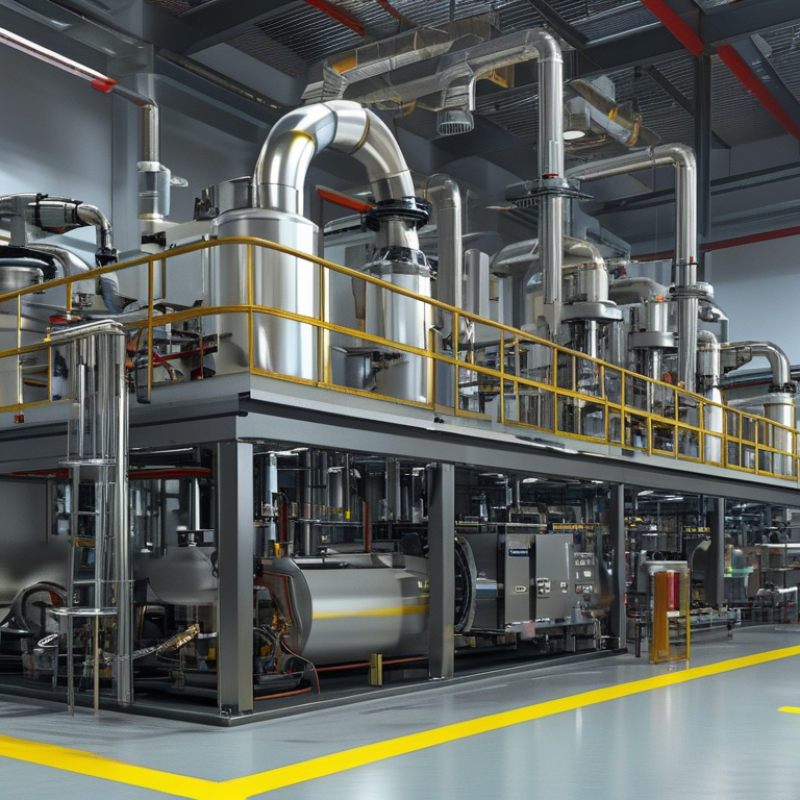
Key Features of Roots Vacuum Pumps for Industrial Applications
Roots vacuum pumps are essential tools for various industrial applications. They excel in operations that require reliable and efficient vacuum generation. One key feature is their capability to maintain consistent pressures. This makes them ideal for tasks like material handling and packaging. Additionally, they can handle large volumes of gas with minimal effort.
Another important aspect is their durability. Roots vacuum pumps are built to withstand harsh environments. This ensures they can operate effectively over long periods. They often feature robust materials that resist wear. Maintenance is another consideration. While they are designed for longevity, periodic checks remain essential for optimal performance.
In industries such as pharmaceuticals and food processing, the reliability of vacuum systems is critical. A malfunction can lead to costly downtime. Roots pumps offer the performance needed to minimize such risks. Their ability to deliver high performance under demanding conditions is noteworthy. However, users must remain diligent in monitoring their systems. Over time, any vacuum system will face challenges that require attention.
Advantages of Using Roots Vacuum Pumps in Various Industries
Roots vacuum pumps are increasingly recognized for their effectiveness across multiple industries. They provide a reliable, consistent vacuum that meets the demands of various applications, including packaging, food processing, and semiconductor manufacturing. According to a recent report by the Vacuum Pump Association, Roots pumps can achieve flow rates of up to 10,000 m³/h, which significantly enhances productivity in large-scale operations.
One significant advantage of Roots vacuum pumps is their ability to handle vapor and gas mixtures without degrading performance. This quality makes them essential in processes like freeze drying and distillation. In food processing, for instance, maintaining product integrity is crucial. Industry data shows that using Roots pumps can reduce moisture levels during vacuum packing by up to 90%. This not only prolongs shelf life but also helps in maintaining flavor and texture.
Despite their benefits, it’s essential to consider the operational challenges of Roots vacuum pumps. They require regular maintenance to ensure peak performance and longevity. Users must be aware of potential wear and tear, particularly in high-demand environments. Incorporating predictive maintenance strategies can mitigate these issues, ensuring reliable performance in critical operations.
Comparative Analysis: Roots Vacuum Pumps vs. Traditional Vacuum Pumps
When considering vacuum pumps for industrial applications, Roots vacuum pumps offer distinct advantages over traditional options. Roots pumps excel in high-flow applications while maintaining a low ultimate pressure. According to industry surveys, they can reach pressures as low as 0.1 mbar, making them suitable for diverse tasks in pharmaceuticals, food processing, and metallurgical industries. Traditional vacuum pumps often struggle to achieve similar flow rates at such low pressures. Their efficiency can drop significantly, impacting overall productivity.
While Roots pumps provide superior gas throughput, they do require regular maintenance. Users should be aware that a lack of proper care can lead to reduced performance. On the other hand, traditional pumps may have lower initial costs but can incur higher energy expenses over time. This trade-off may not be apparent initially. When choosing a pump, consider the long-term operational costs against the initial investment.
Inspecting performance metrics helps make informed decisions. Performance reports indicate that Roots pumps can deliver flow rates up to 10,000 m³/h. Regular monitoring can reveal potential issues before they escalate. It's also useful to review maintenance schedules. This reflection leads to better reliability and extends equipment life in demanding environments.
Why Choose Roots Vacuum Pump for Your Industrial Needs? - Comparative Analysis: Roots Vacuum Pumps vs. Traditional Vacuum Pumps
| Feature | Roots Vacuum Pumps | Traditional Vacuum Pumps |
| Pumping Speed | High & Efficient | Moderate |
| Maintenance Requirement | Low | High |
| Energy Efficiency | High | Lower |
| Operating Noise Level | Quiet | Loud |
| Size and Weight | Compact | Bulky |
| Cost Efficiency | Long-Term Savings | Higher Operating Costs |
Maintenance and Longevity of Roots Vacuum Pumps in Industrial Settings
In industrial settings, the maintenance and longevity of vacuum pumps directly impact productivity and cost efficiency. Roots vacuum pumps, known for their reliability, require less frequent maintenance compared to other types. A study from the Vacuum Technology Association shows that regular maintenance can extend the lifespan of these pumps by up to 40%. This means fewer interruptions in workflow and reduced downtime.
Effective maintenance involves routine checks and timely replacement of wear parts. A report from the Industrial Equipment Council indicates that neglecting maintenance can lead to a drop in performance. In extreme cases, it can result in total pump failure, which is costly. Operators should consider maintaining a detailed log of maintenance activities to track performance trends.
However, not all environments are suitable for Roots vacuum pumps. High levels of dust or moisture can affect their functionality. Operators should assess the specific conditions before implementation. This reflection on environmental factors helps enhance overall effectiveness and longevity. Regularly reviewing maintenance practices ensures pumps operate at peak performance while minimizing unexpected issues.
Cost-Effectiveness of Roots Vacuum Pumps for Industrial Operations
When it comes to industrial operations, the cost-effectiveness of Roots vacuum pumps stands out. These pumps provide an efficient solution for various applications in manufacturing, food processing, and pharmaceuticals. They excel in handling large volumes of gases, which can significantly reduce energy costs. Efficient energy usage translates into lower operational expenses, making them an attractive option for many businesses.
Operational reliability is another advantage. Roots vacuum pumps require minimal maintenance, which minimizes downtime. This reliability often outweighs the initial investment cost. Companies can depend on these pumps for consistent performance over time, thus allowing for uninterrupted production cycles. However, selecting the appropriate model requires careful assessment of specific operational needs. Not every pump is suited for every application, so a thoughtful approach is essential.
While Roots vacuum pumps shine in several areas, they may not be the best fit for all scenarios. Some industries may find alternative systems offer better performance for unique requirements. Understanding the specific needs of your operation is crucial. This reflection can inform better decisions, ensuring your choice aligns with both performance and cost goals.





