How to Choose the Right Wpc Decking Boards for Your Project?
When embarking on a decking project, selecting the right Wpc Decking Boards is crucial. James Thompson, a leading expert in outdoor construction, emphasizes, “Choosing the right material makes all the difference in durability and aesthetics.” WPC, or wood-plastic composite, offers a blend of wood's warmth and plastic's durability. These boards resist moisture, insects, and fading, making them a popular choice.
Understanding the specifications and features of Wpc Decking Boards is essential. Options vary widely in color, texture, and finish. This diversity can create confusion. Selecting boards without assessing your project’s needs can lead to dissatisfaction later. Homeowners should consider the climate and foot traffic their deck will experience.
While Wpc Decking Boards have many advantages, imperfections exist. Some may fade over time, and not all brands offer equal strength. It's important to research and read reviews. Striking a balance between aesthetic appeal and practicality is vital. Ultimately, investing time upfront to choose the right Wpc Decking Boards will pay off in lasting enjoyment.
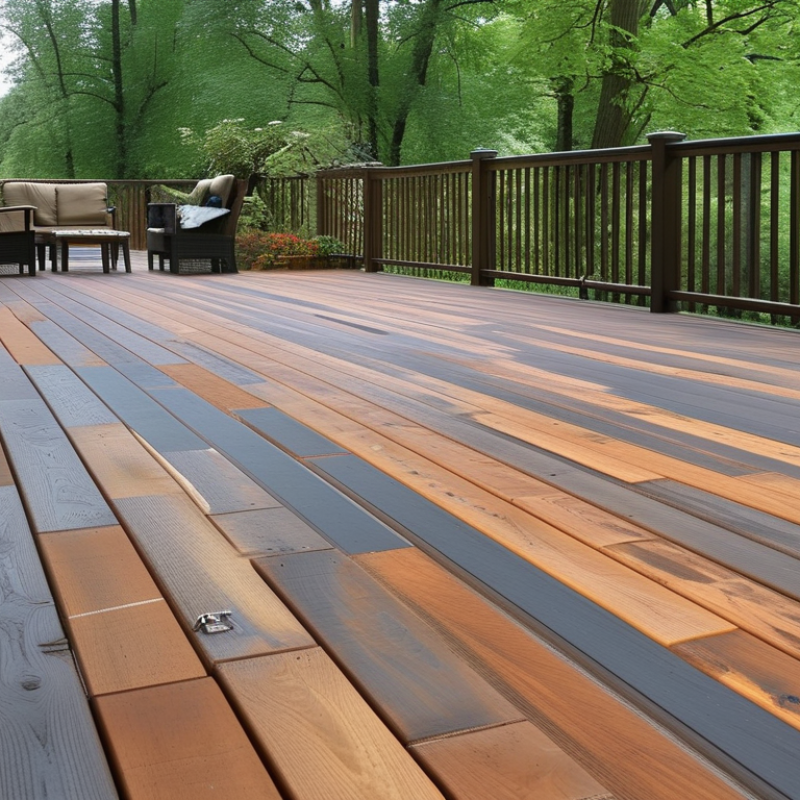
Choosing Between Solid and Hollow WPC Decking Boards for Durability
When choosing between solid and hollow WPC decking boards, durability is a key factor. Solid boards are denser and have a higher resistance to wear and tear. They often last longer in high-traffic areas. Conversely, hollow boards are lighter and can be easier to handle during installation. However, they may not offer the same level of durability. Consider your specific project needs carefully before making a selection.
Tips: Look for temperature performance reports. Solid boards might warp less under extreme temperatures. Also, check the weight limits if you're considering hollow options. This can prevent unexpected failures over time. Inspect the boards for any visible defects before purchasing. Small issues could lead to larger problems post-installation.
In addition to durability, consider maintenance. Solid boards may require more frequent cleaning due to their non-porous surface. Hollow boards might accumulate debris inside, making cleaning crucial. This requires regular attention to prevent decay. Your choice should align with your willingness to invest time and effort for upkeep.
Analyzing WPC Decking Board Thickness for Strength and Performance
When it comes to WPC decking boards, thickness plays a critical role in both strength and performance. Thicker boards often provide increased durability and better resistance to warping or denting. A common thickness for residential decking ranges from 1 inch to 1.5 inches. However, many homeowners overlook the importance of choosing the right thickness for their specific needs.
Consider the environmental factors as well. Areas with high foot traffic require thicker boards to withstand wear and tear. Conversely, lighter use may warrant thinner options. Be aware that thick boards can also add more weight. This can impact installation and the overall structure of your deck. A balance is necessary.
Ultimately, understanding your project requirements is key. A thicker board might provide more support, but it can also lead to higher upfront costs. Evaluate your environment, usage, and budget meticulously. Sometimes, less is more, and choosing the right thickness doesn't always mean choosing the thickest option available. Reflecting on these factors can yield better outcomes for your decking project.
Understanding WPC Composition: Recycled Wood and Plastic Ratios
When selecting WPC decking boards, understanding their composition is crucial. WPC stands for wood-plastic composite. This material combines recycled wood and plastic in varying ratios. Typically, the blend consists of about 60% wood fiber and 40% plastic. However, these ratios can differ based on the manufacturer and the desired product characteristics.
Recycled wood provides a natural appearance and durability. The type of wood used can affect the decking's texture and aesthetic appeal. On the other hand, plastic enhances water resistance and longevity. It also reduces the risk of warping or splintering. However, reliance on plastic comes with concerns about environmental impact. This imbalance between wood and plastic can lead to questions about sustainability.
It's important to consider how these ratios influence your project. A higher wood content may yield a more authentic look. Yet, it might be less resistant to moisture. Conversely, more plastic may offer durability but lack warmth. Understanding these dynamics can guide your choice, ensuring the decking meets both functional and aesthetic needs. Balancing these elements can be challenging, but it's worth the effort.
How to Choose the Right WPC Decking Boards for Your Project?
| WPC Composition | Recycled Wood Ratio (%) | Plastic Ratio (%) | Durability Rating | Ideal Use |
| Standard WPC | 60 | 40 | Moderate | Decking and Patios |
| High-Density WPC | 70 | 30 | High | Commercial Areas |
| Eco-Friendly WPC | 80 | 20 | Very High | Residential and Eco-Conscious Projects |
| Composite WPC | 50 | 50 | Moderate | Decking, Fencing and Railings |
Evaluating Surface Textures: Slip Resistance and Aesthetic Appeal
When selecting WPC decking boards, evaluating surface textures is crucial. Slip resistance is a top priority. A surface that is too smooth can be hazardous, especially when wet. Textured surfaces provide better grip. They can reduce accidents significantly. However, the texture needs to be comfortable underfoot. Rough surfaces can be painful when walking barefoot. Finding the right balance is essential.
Aesthetic appeal also plays a vital role in your choice. The texture not only influences safety but also complements your design vision. Different textures can create diverse looks. For example, a wood-like finish can enhance a natural feel. Conversely, a more modern finish can add a sleek touch. Mixing textures can add visual interest, but it may also conflict if not chosen carefully. Consider the overall theme of your project to ensure cohesion.
Furthermore, think about maintenance. Textured surfaces may accumulate dirt and require more cleaning. A smooth surface could necessitate careful selection of cleaning products. Reflect on your lifestyle. If you have children or pets, slip resistance may outweigh other concerns. Ultimately, the right choice reflects safety, beauty, and practicality, making your outdoor space enjoyable.
Examining Cost vs. Longevity: WPC Decking Investment Analysis
When considering WPC decking boards, the balance between cost and longevity is crucial. WPC, or wood-plastic composite, offers durability but comes at a varied price point. Investment in quality boards can lead to significant long-term savings. Cheaper options may tempt, but they often result in quicker wear and tear.
Choosing WPC boards requires careful analysis of your specific needs. Assess your climate, usage, and aesthetics. Some boards may fade in sunlight while others resist moisture. This variability affects the lifespan of your decking.
Tips: Always compare warranties. A longer warranty often indicates a more reliable product. Inspect the material for UV resistance and check reviews about performance over time. It’s essential to balance initial costs with potential future expenses. Researching can prevent costly mistakes later.
WPC Decking Cost vs. Longevity Analysis
This chart compares the initial cost and estimated lifespan of various WPC decking options. The data highlights the investment analysis, showing that while some options may have higher upfront costs, they offer longer durability and reduced maintenance, ultimately providing better value over time.





