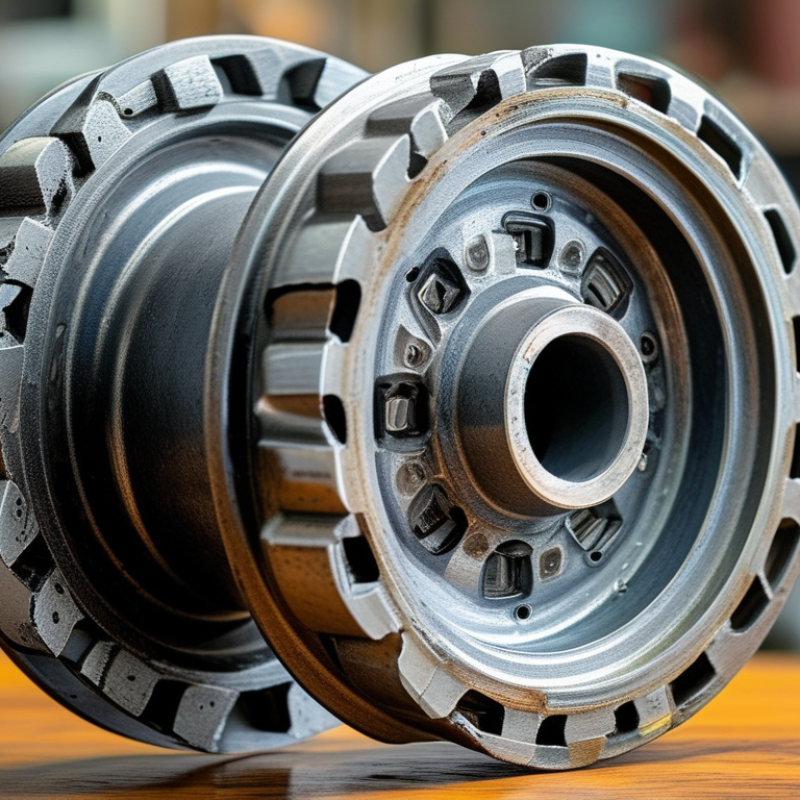
2026 How to Choose the Right Rear Idler for Your Equipment?
Choosing the right rear idler for your equipment is critical. A suitable rear idler ensures optimal performance and longevity. It also minimizes wear and tear on your machinery. Many equipment owners overlook this crucial component, leading to potential problems.
When selecting a rear idler, consider material and size. Not all rear idlers are created equal. Some may not fit your machine properly, causing misalignment. This misalignment can lead to further damage or costly repairs. It's essential to consult with experts who understand your specific needs.
Quality matters in rear idlers. Low-quality parts might save money initially, but they can lead to bigger issues down the line. Reliable suppliers can provide guidance based on years of experience. Understanding these details can significantly impact your machine’s efficiency and operation. Reflecting on your equipment's requirements is crucial for making an informed choice.
Understanding the Function of Rear Idlers in Equipment
Understanding the function of rear idlers in equipment is essential for optimal performance. Rear idlers play a crucial role in maintaining the tension of the track. They help guide the track and ensure it stays aligned, preventing misalignment that can cause damage. Without functioning rear idlers, you may face constant track slippage or wearing.
The overall durability of your equipment can be affected by the condition of rear idlers. Regular inspections can help identify wear and tear before it escalates. Neglecting these components can result in higher operational costs and machine downtime. It is vital to pay attention to signs of wear, such as unusual noises or track degradation. Switching out worn idlers can save money and headaches in the long run.
Choosing the right rear idler involves understanding your specific equipment and its needs. Consider factors like load capacity and environmental conditions. Each machine has unique requirements, and a one-size-fits-all approach rarely works. Experimenting with different idlers may lead to discovering the optimal fit for your setup. Involving professionals for guidance can be beneficial, ensuring you make an informed decision.
Factors to Consider When Choosing Rear Idlers
When selecting the right rear idler for your equipment, several factors play a crucial role. One primary consideration is the material of the idler itself. Idlers made from high-quality steel provide durability, while composite materials can offer lighter weight options. Understanding the terrain your equipment will navigate is vital. Rocks, mud, and uneven surfaces can significantly wear down less robust materials.
Another factor is the size of the idler. It affects the overall performance and stability of your equipment. A larger idler often distributes the weight better, enhancing stability. However, a smaller idler may reduce the machine's overall footprint and ease maneuverability in tight spaces. Think about how replacing an idler impacts maintenance schedules. Regular inspections can prevent costly downtime.
Finally, consider compatibility with your existing equipment. Mismatched idlers can lead to performance issues. Confirming specifications ensures seamless integration. Paying attention to these details can greatly influence the efficiency and longevity of your machinery. It’s crucial to reflect on how each choice affects performance. Don't underestimate the importance of these factors in your decision-making process.
2026 How to Choose the Right Rear Idler for Your Equipment?
This chart illustrates the various factors to consider when selecting rear idlers for your equipment, based on common criteria such as durability, cost, maintenance, and load capacity.
Different Types of Rear Idlers and Their Applications
When selecting a rear idler for your equipment, it’s crucial to understand the different types available. There are various rear idlers designed for specific applications. This variety ensures optimal performance and longevity of machinery.
Standard rear idlers are commonly used in heavy machinery. They support track systems, providing stability and balance. In contrast, some specialized idlers are designed for articulated equipment. These idlers adapt positionally, catering to the unique movements of such machines. They may not work seamlessly in other contexts.
Consider durability when choosing a rear idler. Material composition plays a vital role in overall performance. Heavy-duty options resist wear over time, while lightweight alternatives excel in speed. This selection process can feel overwhelming. It’s essential to weigh options based on the specific demands of your equipment. Reflecting on the environment and expected load can guide informed decisions. Each choice has implications on performance and maintenance needs.
Maintenance Tips for Rear Idlers to Ensure Longevity
When maintaining heavy equipment, rear idlers play a critical role in operation. Stress on the idlers results in wear and performance issues. According to industry reports, nearly 30% of maintenance costs can be attributed to idler-related failures. Regular inspection and maintenance can extend their lifespan significantly.
Check for signs of wear on the idler wheels. Look for cracks or blisters on the surface. These are indicators of potential failure. Ensure proper lubrication to reduce friction, which is essential for smooth operation. Insufficient lubrication can cause overheating and rapid degradation.
Tip: Schedule maintenance every 250 hours of operation for optimal performance.
In addition to regular checks, consider the environment where the equipment operates. Harsh conditions can accelerate wear. Dust, mud, and extreme temperatures contribute to faster degradation. Understanding these factors is crucial for maintenance strategies.
Tip: Keep the equipment clean to minimize contamination.
Overall, diligent care of rear idlers can prevent costly downtime. The goal is to achieve maximum reliability and performance. With these practices in mind, operators can make informed decisions regarding maintenance and care.
2026 How to Choose the Right Rear Idler for Your Equipment? - Maintenance Tips for Rear Idlers to Ensure Longevity
| Idler Type | Material | Weight (lbs) | Load Capacity (lbs) | Recommended Applications |
| Standard Idler | Steel | 50 | 10,000 | Excavators, Bulldozers |
| Heavy-Duty Idler | High-Strength Steel | 75 | 15,000 | Quarry, Mining |
| Polyurethane Idler | Polyurethane | 45 | 8,000 | Paving, Landscaping |
| Reinforced Idler | Composite | 60 | 12,000 | Construction, Demolition |
| Shock-Absorbing Idler | Rubber/Metal | 55 | 9,500 | Forestry, Agriculture |
Common Mistakes to Avoid When Selecting a Rear Idler
Selecting the right rear idler for your equipment is crucial. Mistakes in this process can lead to operational inefficiencies. A common error is neglecting compatibility. Always verify that the idler fits your machine’s specifications. According to industry reports, improper fit can reduce the lifespan of your equipment by up to 30%.
Another significant mistake is overlooking material quality. Using low-grade materials increases wear and leads to premature failure. Research shows that high-quality idlers can last 50% longer than their cheaper counterparts. This not only saves money but also reduces downtime.
When making your choice, keep these tips in mind:
- Assess the load capacity your equipment requires.
- Consider environmental factors such as temperature and moisture.
- Always consult reliable technical documentation before making a purchase.
Avoid misconceptions about price correlating with quality. Sometimes, higher prices do not guarantee better performance. Making informed decisions will enhance equipment reliability and efficiency.