How to Choose the Right Evaporative Condenser for Your Needs?
Choosing the right Evaporative Condenser is crucial for HVAC efficiency. Industry expert John Smith emphasizes, “The right choice can significantly impact system performance and energy costs.” With various types available, making an informed decision requires understanding your specific needs.
Evaporative condensers play a vital role in cooling systems. They utilize water evaporation to enhance heat exchange, leading to more efficient cooling. However, not all condensers are suitable for every application. Factors like size, capacity, and installation requirements must be considered. Furthermore, environmental conditions can affect their performance.
Selecting an evaporative condenser is not simply about numbers. It’s important to reflect on your facility's requirements. What works for one application may not be effective in another. Engaging with professionals can help navigate these complexities. Remember, the repercussions of an incorrect choice can lead to inefficiencies and increased costs.
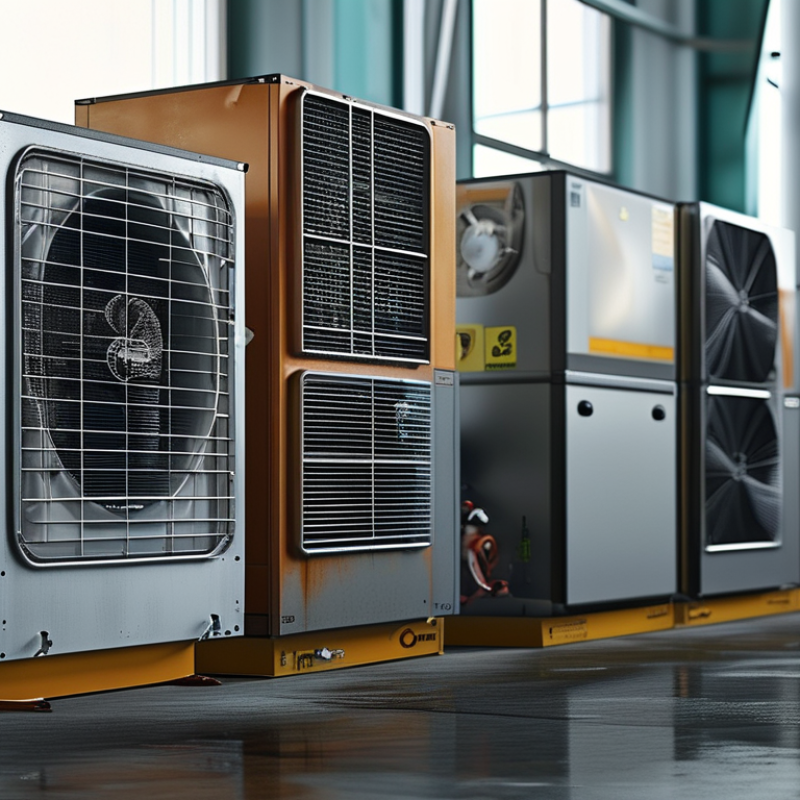
Understanding the Basics of Evaporative Condensers in HVAC Systems
Evaporative condensers play a crucial role in HVAC systems. They help to dissipate heat efficiently, making them essential for cooling solutions. Understanding how they work is key to making informed choices for your system. These devices utilize water evaporation to cool refrigerants effectively. The process is straightforward but requires attention to detail.
Tips: Always consider the environment. High humidity can affect the performance of evaporative condensers. If you live in such areas, research alternatives. Pay attention to the water quality used for evaporation. Poor quality can lead to scaling and maintenance issues over time.
Another factor is the size of the condenser. A unit that's too small may struggle, leading to higher energy costs. Conversely, oversized models can waste energy. Emphasize precise calculations based on your cooling needs. This will improve the system’s overall efficiency, reducing operational costs. Regular maintenance is not an option; it’s a necessity. Neglecting upkeep can lead to unexpected failures.
Key Factors to Consider When Selecting an Evaporative Condenser
Selecting the right evaporative condenser is crucial for efficient cooling and energy savings. One key factor to consider is the condenser's capacity. A unit with insufficient capacity can lead to inefficiencies. Research indicates that choosing a condenser with a capacity 10-20% greater than your peak load can enhance performance, ensuring that your systems operate smoothly under peak conditions.
Another vital aspect is the location and environmental conditions. The effectiveness of an evaporative condenser can be significantly affected by temperature and humidity levels. For instance, places with high ambient temperatures may require sturdier units. A report by the American Society of Heating, Refrigerating and Air-Conditioning Engineers states that operational conditions can reduce efficiency by 15% if not properly matched.
Maintenance is also essential. Regular cleaning and inspection can lead to better longevity and performance. Neglected units may experience clogging or scaling, which can hinder heat transfer. It's estimated that a properly maintained condenser can operate at about 90% efficiency, while lack of care can drop this figure significantly. Thus, consider both the initial choice and ongoing maintenance for optimal results.
Evaluating Efficiency Ratings: How to Assess Condenser Performance
Evaluating the efficiency of an evaporative condenser is crucial to achieving optimal performance. Efficiency ratings help to determine how well the condenser operates under various conditions. Look for metrics like the Coefficient of Performance (COP) or the Energy Efficiency Ratio (EER). These are standardized measures that can guide you in selecting a high-performing unit.
Understanding airflow is also important. Good airflow enhances cooling efficiency. However, not all units handle airflow the same way. Some may have design flaws that create turbulence, reducing overall efficiency. Checking the specifications and airflow ratings can alert you to potential issues. It’s worthwhile to consult with experts who can provide insights tailored to your specific context.
Consider the environmental conditions where the condenser will be used. High humidity can affect its performance negatively. Choosing a unit that adapts well to varying conditions is essential. Lack of adaptability can lead to inefficiencies. Every site and situation is unique, so ongoing assessments and adjustments may be necessary for optimal results.
How to Choose the Right Evaporative Condenser for Your Needs? - Evaluating Efficiency Ratings: How to Assess Condenser Performance
| Model | Cooling Capacity (kW) | Efficiency Rating (kW/kW) | Water Consumption (L/h) | Noise Level (dB) |
| Model A | 150 | 3.0 | 50 | 65 |
| Model B | 200 | 2.8 | 70 | 70 |
| Model C | 180 | 3.2 | 60 | 68 |
| Model D | 160 | 3.1 | 55 | 72 |
Sizing Your Evaporative Condenser: Importance of Proper Capacity Selection
Choosing the right evaporative condenser requires careful consideration of capacity. Sizing is crucial for efficiency and performance. An undersized unit may struggle to meet cooling demands, leading to increased wear and tear. This can reduce the lifespan of the system and inflate operating costs. Conversely, an oversized condenser may waste energy, resulting in unnecessary expenses.
Assessing your cooling requirements is key. Consider factors like ambient temperature, water quality, and load conditions. Each element influences condenser performance. It's vital to perform a thorough analysis. Gather data about your facility's cooling needs. This may involve calculations based on historical data or consulting with a professional. Take note of the environment in which the condenser will operate. Different conditions can affect efficiency levels.
Make sure to reflect on your choices as well. Poor capacity selection can hinder system performance. If the unit constantly cycles on and off, it may indicate an incorrect size. This not only affects energy consumption but also impacts overall comfort. Evaluating your needs leads to a more reliable and efficient system. The right evaporative condenser enhances cooling while optimizing energy use.
Maintenance Best Practices for Maximizing Condenser Longevity and Efficiency
Regular maintenance is essential for maximizing the longevity and efficiency of evaporative condensers. According to the American Society of Heating, Refrigerating and Air-Conditioning Engineers (ASHRAE), a well-maintained condenser can improve energy efficiency by up to 15%. This highlights the importance of adopting best practices.
One vital aspect of maintenance is keeping the condenser clean. Dirt and debris can accumulate on the coils, reducing heat exchange and leading to inefficiencies. Manufacturers recommend cleaning the coils at least twice a year. Checking for water leaks is equally crucial. Even small leaks can lead to significant efficiency losses over time. Monitoring the water quality is also fundamental. Poor water quality can lead to scale buildup, compromising performance.
Regular inspections should be emphasized. These can help identify potential issues before they escalate into costly repairs. The Refrigeration Research Council estimates that routine inspections can save businesses up to 30% on unexpected repair costs. Understanding these maintenance practices provides valuable insights. Implementing them can significantly enhance operational efficiency and extend the lifespan of your condenser.
Evaporative Condenser Efficiency and Maintenance Practices





