How to Choose the Right Air Purifier Motor for Your Needs?
Choosing the right Air Purifier Motor can be challenging. With so many options, knowing which one meets your specific needs is crucial. Industry expert Dr. Emily Carter emphasizes, “The right motor determines the effectiveness and efficiency of your air purifier.” Her insights highlight the importance of understanding the role of an Air Purifier Motor.
Selecting a motor involves considering various factors. Motor size, power consumption, and noise levels are essential. A well-chosen motor enhances air purification performance. However, many consumers overlook these aspects. They might focus solely on price or brand rather than the motor specifics. This can lead to regrettable choices.
In an era where air quality is paramount, making an informed decision is vital. An inadequate Air Purifier Motor can result in subpar air filtration. As you navigate your options, reflect on what features matter most to you. Understanding this can help you avoid impulsive decisions.
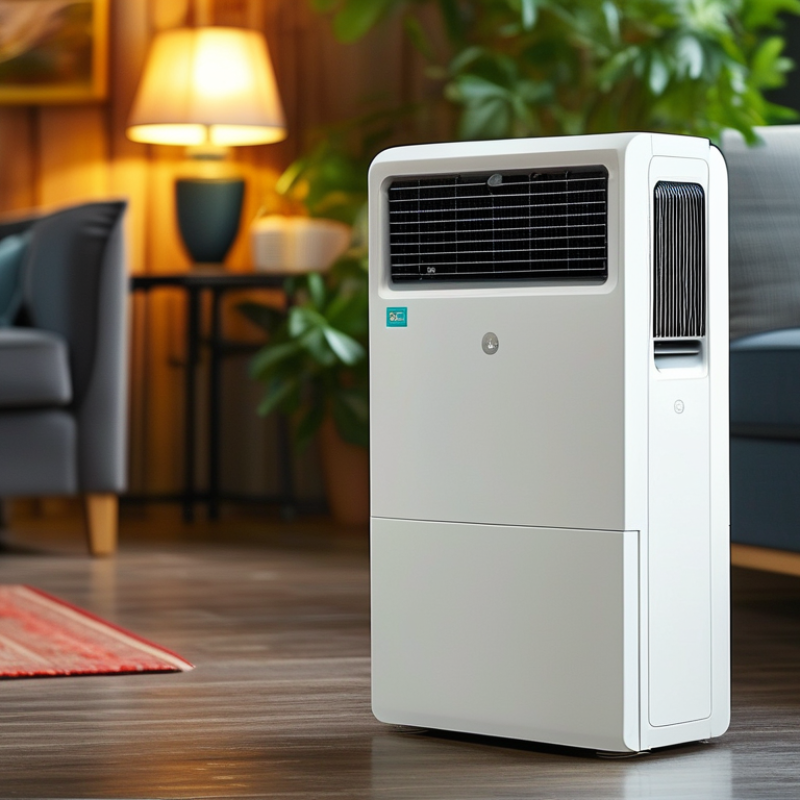
Factors to Consider When Selecting an Air Purifier Motor
When selecting an air purifier motor, several key factors deserve attention. The motor's power and capacity are crucial. A motor with low power may struggle to filter out pollutants effectively. Consider the square footage of the room. A motor designed for a small space may not perform well in larger areas. This mismatch can lead to increased energy costs and subpar air quality.
Another important aspect is the noise level produced by the motor. A powerful motor might generate more noise, which can be distracting in a quiet environment. Seek a balance between efficiency and sound output. Checking the decibel rating can provide clarity. Additionally, the motor’s durability matters. A short lifespan can hinder value, leading to frequent replacements. Investing in a reliable motor can save money over time.
Lastly, do not overlook maintenance needs. Some motors require regular servicing to ensure optimal performance. The ease of cleaning and replacing parts varies among models. This might impact your overall experience. Thoroughly evaluate these factors to make an informed choice, aiming for a motor that meets your unique requirements while considering potential trade-offs.
Types of Air Purifier Motors Available on the Market
When selecting an air purifier motor, understanding the types available is essential. Common motors include AC and DC motors, each presenting unique benefits. AC motors are known for reliability and longevity, making them suitable for continuous use. On the other hand, DC motors are quieter and offer higher efficiency, often consuming less energy. Reports indicate that air purifiers with DC motors can be 30-50% more energy-efficient than their AC counterparts.
Efficiency is not the only factor to consider. Performance varies across motor types. A high-efficiency particulate air (HEPA) filter powered by a quality motor can remove up to 99.97% of airborne particles that are 0.3 microns or larger. However, air purifiers with lower-quality motors may struggle to maintain airflow and filtration efficiency over time. This can lead to user frustration and an increase in overall energy consumption.
Moreover, the noise level can influence your decision significantly. A powerful motor may produce more noise, potentially disrupting a quiet environment. Some individuals may prefer quieter models even if it means sacrificing some efficiency. As with any purchase, it's vital to weigh these trade-offs carefully, ensuring the motor aligns with your specific air quality needs and lifestyle.
Understanding the Power and Efficiency Ratings of Motors
When selecting an air purifier motor, understanding power and efficiency ratings is crucial. Most efficient motors operate between 80% to 90% efficiency. This means that a good portion of the energy consumed is converted into useful work. Reports from energy agencies indicate that inefficient motors can waste up to 30% of energy. This energy waste translates into higher electricity bills and increased carbon footprints.
Efficiency ratings are typically measured in terms of the motor's wattage. For example, a motor with 50 watts may provide adequate filtration for small to medium-sized rooms. However, a higher wattage motor may be necessary for larger spaces with persistent pollutants. It is important to inspect the energy label. Look for models with Energy Star ratings. This signifies a commitment to energy efficiency and lower operational costs over time.
While high-efficiency motors provide benefits, they can also pose challenges. Higher upfront costs may deter some buyers. Users should consider long-term savings against initial investments. Understanding these complexities is essential. Balancing initial expenses with long-term energy savings requires careful consideration. Ultimately, an informed decision can lead to better indoor air quality and significant energy savings.
The Role of Filtration Systems in Motor Performance
When selecting an air purifier motor, understanding the filtration system is crucial. The filtration system directly impacts motor performance. A high-quality filter can enhance airflow and improve purification efficiency. If the filter is clogged or of low quality, the motor will struggle. This inefficiency can lead to increased wear and reduced lifespan of the motor.
Consider the type of filtration system you require. HEPA filters capture tiny particles, while activated carbon filters focus on odors. These choices affect how the motor operates. Not all filters are compatible with every motor type, which can create issues. A mismatched filter may drop performance or cause overheating.
Regular maintenance is often overlooked. Users may forget to replace filters. This neglect can harm both the filtration and the motor. Ensuring filters are clean and in good condition support optimal performance. Remember, a well-matched filtration system and motor lead to cleaner air. Ignoring this relationship may result in disappointment and a less effective air purification experience.
Air Purifier Motor Performance: Effectiveness of Different Filtration Systems
Maintenance Tips for Prolonging the Life of Air Purifier Motors
Regular maintenance of your air purifier motor can significantly extend its lifespan. It's essential to clean or replace filters according to the manufacturer’s recommendations. Clogged filters can strain the motor and reduce efficiency. A simple monthly check can help you stay on top of this task.
Another important consideration is the placement of your air purifier. Make sure it is situated in a well-ventilated area. Avoid tight spaces that may cause overheating. Also, keep an eye on the motor's noise levels. If you notice unusual sounds, it might indicate an issue that requires attention.
Lastly, dust and debris can accumulate inside the unit. Periodic deep cleaning can prevent this build-up. Remove the cover and carefully clean the motor and surrounding areas. Remember, a clean motor works better and lasts longer. Stay proactive in maintaining your air purifier motor, and it will serve you well for years to come.
How to Choose the Right Air Purifier Motor for Your Needs? - Maintenance Tips for Prolonging the Life of Air Purifier Motors
| Motor Type | Airflow Rate (CFM) | Power Consumption (W) | Noise Level (dB) | Expected Lifespan (Years) | Maintenance Tips |
| DC Motor | 200 | 50 | 30 | 10 | Clean filters regularly, avoid overloading. |
| AC Motor | 250 | 75 | 40 | 7 | Lubricate bearings, check for dust accumulation. |
| Brushless Motor | 180 | 45 | 28 | 12 | Ensure proper ventilation, clean regularly. |
| Synchronous Motor | 220 | 60 | 35 | 8 | Check wiring regularly, replace worn parts. |





