Why Choose Precast Concrete Mixer for Your Next Project?
In modern construction, efficiency and quality are paramount. Choosing the right equipment can significantly impact project outcomes. A Precast Concrete Mixer emerges as a vital tool for contractors aiming for precision and speed.
This specialized mixer allows for tailored concrete solutions. Its ability to produce uniform mixtures ensures the integrity of precast elements. Many contractors appreciate the time saved in setting up traditional mixing processes. However, it’s essential to consider the initial investment and maintenance costs. Finding the right balance is crucial.
Moreover, the expertise of operators can affect overall performance. A Precast Concrete Mixer requires skilled personnel for the best results. Training is necessary to handle this sophisticated technology effectively. Reflecting on past projects can guide you in making informed decisions. Assessing both benefits and potential shortcomings leads to better outcomes. Ultimately, the choice of a Precast Concrete Mixer can revolutionize your construction projects.
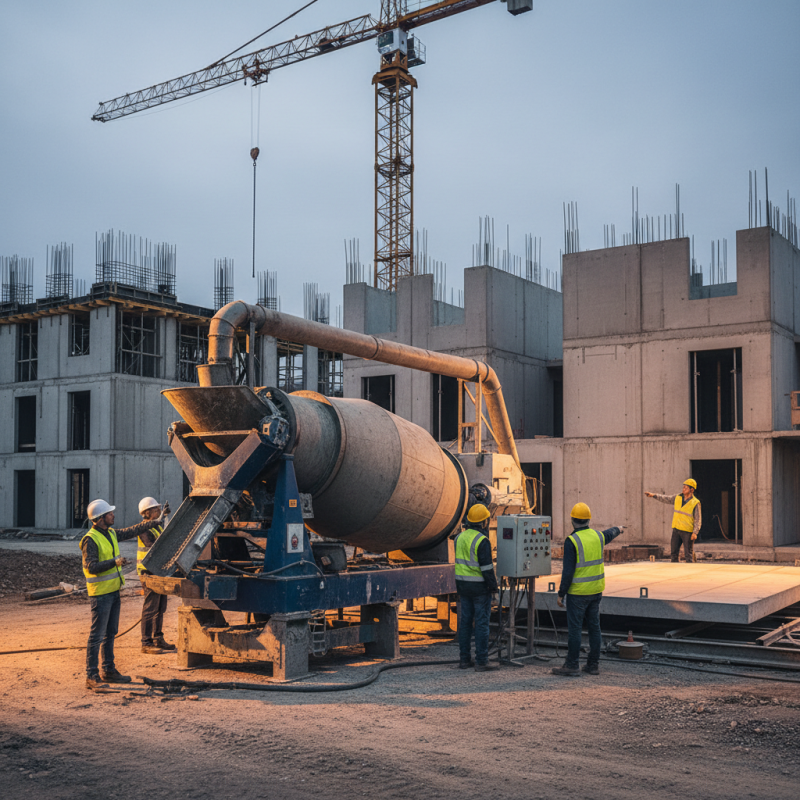
Benefits of Using Precast Concrete Mixers in Construction Projects
Precast concrete mixers have gained popularity in the construction industry for several compelling reasons. These mixers provide consistent quality. They allow for precise control over the concrete mixture, resulting in stronger and more durable products. This consistency reduces the risk of defects during construction. Crews can rely on uniform material performance at every stage.
Another critical benefit is efficiency. Precast concrete elements can be produced off-site while site preparation occurs simultaneously. This parallel workflow accelerates project timelines. Moreover, these mixers can handle a large volume of concrete without compromising quality. This is especially beneficial for large-scale projects with tight deadlines.
However, there are considerations to keep in mind. The initial investment in precast technology can be significant. Not all projects may justify the cost of precast solutions. Additionally, transporting precast elements can introduce logistical challenges. Companies must evaluate factors like local regulations and site accessibility. With careful planning, the advantages often outweigh the drawbacks. The choice to use precast concrete mixers should be well-researched, ensuring it aligns with project goals and resources.
Key Features of Precast Concrete Mixers: What to Look For
When selecting a precast concrete mixer, key features can significantly impact your project’s success. Durability is a primary consideration. A robust frame and high-quality materials ensure longevity and resistance to wear. This means less downtime and reduced maintenance costs. Moreover, a reliable mixing drum design aids in achieving a consistent concrete mix. Consistency is crucial for structural integrity in construction.
Another important feature is the mixing capacity. Depending on your project size, you might need different capacities. Evaluate your needs carefully. Larger projects often require mixers capable of handling higher volumes. Speed is also an essential factor. Efficient mixing times can boost productivity on-site, but too much speed can compromise mix quality.
While automation features can enhance usability, operators should remain hands-on. Over-reliance on technology can lead to oversight in quality control. Always encourage regular maintenance checks and operator training to avoid mishaps. Balancing automation and manual monitoring ensures best practices are followed, leading to a superior end product.
Comparative Advantages: Precast vs. Traditional Concrete Mixing Methods
When considering concrete mixing methods, precast concrete mixers stand out for several reasons. One key advantage is their efficiency. Precast technology allows for continuous production, minimizing delays during a project. Traditional mixing often requires onsite preparation, increasing labor costs and time. In contrast, precast methods streamline the process. This makes them particularly attractive for tight schedules that demand reliable delivery.
Another significant benefit is quality consistency. Precast concrete is produced in controlled environments, which reduces the risk of weather-related issues and variability in material quality. Each batch can be monitored closely, ensuring a high degree of precision. Traditional concrete mixing often depends on varying onsite conditions, which can lead to inconsistent results. However, precast isn't without challenges. Initial setup costs can be higher. Projects must also account for transportation and handling of precast elements.
Integration into existing workflows may require additional training for staff. Teams familiar with traditional methods might face a learning curve. Some professionals may hold reservations about transitioning to precast systems. It's essential to weigh these factors against the long-term benefits. Each project presents unique demands. Understanding the specific context is crucial for making the right choice.
Cost Efficiency and Time Savings with Precast Concrete Mixers
Precast concrete mixers offer significant cost efficiency for construction projects. They minimize waste by utilizing precise material calculations. This leads to lower expenditures and better budget management. With less material waste, you save on resources. Efficient transportation of precast elements also reduces logistical costs.
Time savings are another major advantage of using precast concrete mixers. These mixers can produce high volumes of concrete rapidly. Faster setup and quicker production times accelerate project timelines. The use of precast elements shortens the construction duration. This approach can lead to completing projects ahead of schedule.
However, some may overlook the challenges. Initial setup and training can be time-consuming. Not every project may benefit from precast methods. Understanding local regulations is essential. Careful planning is necessary to maximize the benefits of precast concrete mixers.
Sustainability Considerations for Choosing Precast Concrete Solutions
Sustainability is a critical consideration in modern construction. Precast concrete solutions offer notable advantages in this area. By using precast concrete, projects can reduce waste, since materials are typically mixed and formed in controlled environments. This process minimizes excess and leads to more efficient resource usage.
Moreover, precast concrete can be manufactured with recycled materials. This practice further enhances sustainability. However, it is essential to consider the transportation impacts. Transporting precast elements can generate carbon emissions. Choosing a local supplier can help mitigate this issue.
Energy efficiency is another aspect to reflect on. Precast concrete has thermal mass properties, which can improve energy savings in buildings. Still, the installation process requires careful planning. If not executed properly, the benefits may diminish. It’s crucial to weigh all factors carefully when opting for precast solutions. Each project should consider local conditions and specific sustainability goals.
Environmental Impact of Precast Concrete vs. Traditional Concrete





