Why Choose a Powder Conveying System for Your Business Needs?
In the competitive landscape of industrial manufacturing, an efficient Powder Conveying System is crucial. Industry expert Dr. Jane Thompson states, "The right powder conveying equipment can boost productivity and enhance safety." With a growing demand for streamlined operations, businesses are increasingly aware of the importance of these systems.
Investing in a Powder Conveying System can lead to significant advantages. It minimizes waste and optimizes material handling. However, many companies overlook the complexity of these systems. Choosing the wrong type could lead to operational inefficiencies. It's essential to evaluate specific business needs.
Additionally, the reliability of a Powder Conveying System is vital. Inconsistent performance can disrupt production schedules. Therefore, understanding the technology and its applications plays a significant role in decision-making. Companies must reflect on past experiences and seek expert guidance for successful implementation.
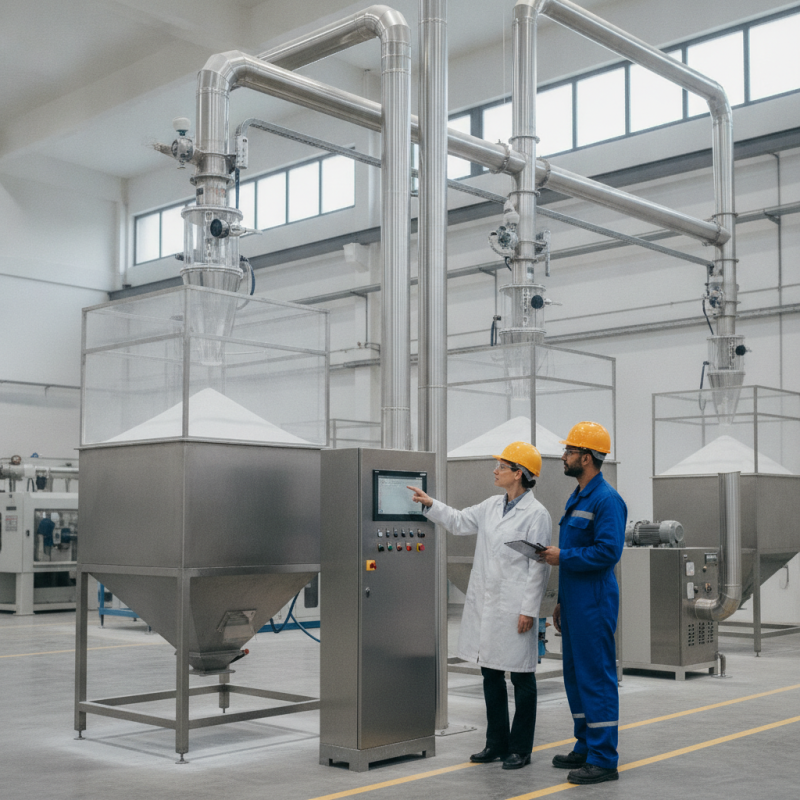
Understanding Powder Conveying Systems: An Overview
Understanding Powder Conveying Systems: An Overview
Powder conveying systems are essential for many industries. These systems efficiently transport dry bulk materials like powders and granules. They minimize product damage and enhance workflow. With technological advancements, these systems are more reliable and versatile than ever.
When considering a powder conveying system, think about the type of material you need to transport. Different powders may require different conveying methods. For example, some materials are sensitive to air. Others may create dust or fines. Assessing the physical properties of your product is crucial.
Tips: Regular maintenance is key to preventing breakdowns. Monitor the system for wear and tear. Also, train your staff on the system's operation. Proper training can reduce accidents and improve efficiency. Remember, even small adjustments can lead to better performance. Evaluating and optimizing your system is a continuous process.
Why Choose a Powder Conveying System for Your Business Needs?
| Dimension | Details |
| Efficiency | Improves material handling efficiency by reducing manual labor and increasing transport speed. |
| Cost-Effectiveness | Reduces operational costs through automation and minimizes waste in material handling. |
| Versatility | Can handle a variety of powders and materials, adapting to different business needs. |
| Safety | Improves worker safety by reducing exposure to hazardous materials and minimizing spills. |
| Space Efficiency | Compact design allows for optimal use of industrial space and easier integration into existing systems. |
| Maintenance | Lower maintenance requirements due to fewer moving parts compared to traditional systems. |
| Scalability | Easily scalable to accommodate growing business needs or increased production volume. |
Key Benefits of Implementing a Powder Conveying System
Implementing a powder conveying system can significantly enhance operational efficiency in various industries. According to a report by the Powder and Bulk Engineering Association, using these systems can reduce material handling costs by up to 30%. They automate processes, minimizing the need for manual labor and reducing the risk of product contamination.
With a powder conveying system, you can achieve better consistency in production. These systems ensure precise dosing and minimal waste during transport. Industry studies show that companies experience a 20% increase in throughput after switching to automated powder handling. Flexibility is another advantage; these systems can adapt to different materials and production setups easily.
Tips: When considering a system, evaluate your unique material properties. It’s essential to choose a design that matches the specific flow characteristics of your powders. Regular maintenance is key to keeping the system reliable. Operators should keep an eye on the wear and tear of equipment to avoid costly breakdowns. Some businesses overlook these details, resulting in unexpected downtimes.
Factors to Consider When Selecting a Powder Conveying System
When selecting a powder conveying system, multiple factors come into play. Understanding the specifics of your application is crucial. Consider the type of powder you will be handling. Some powders are more fragile or prone to clumping. Your conveying method must accommodate these characteristics.
It's essential to evaluate the capacity requirements. What volume of powder do you need to transport? If your needs fluctuate, a flexible system may be beneficial. Think about the distance the powder needs to travel as well. Longer distances may require different equipment than shorter ones.
Tips: Always aim for efficiency. Look for systems that minimize energy consumption. Assess the maintenance needs too. If a system is too complex, it may lead to downtime.
Another vital factor is the environment. Do you operate in a clean room or a hazardous space? The system must meet safety standards. Finally, consider the ease of integration with existing processes. This can save time and reduce costs.
Tips: Involve your team in the decision. Their insights can reveal practical challenges. Document your criteria thoroughly to avoid bias in your decision-making.
Common Applications of Powder Conveying Systems in Various Industries
Powder conveying systems play a vital role across various industries. These systems efficiently transport powders, ensuring minimal downtime and operational efficiency. They find applications in pharmaceuticals, food processing, and plastics. In the pharmaceutical industry, for example, precision is key. Powder conveying systems help maintain strict hygiene and accuracy standards, essential for drug formulations.
In the food industry, powder handling is common. Ingredients like flour, sugar, and spices need reliable transport. Powder systems facilitate this process, reducing contamination risks. However, improper setup can lead to clogs or product degradation. Careful design and regular monitoring are crucial for optimal performance.
The plastics industry also benefits from powder conveying. Raw materials such as resin and additives are often powdered. Efficient conveying systems ensure consistent material flow, which is critical for quality control. Yet, if systems are not regularly maintained, they may experience failures. Addressing these issues proactively can enhance reliability. Overall, the effectiveness of powder conveying systems hinges on their proper implementation and ongoing evaluation in any industrial setting.
Common Applications of Powder Conveying Systems in Various Industries
Maintenance and Best Practices for Powder Conveying Systems
Maintaining a powder conveying system involves careful attention to detail. Regular inspections are essential. Check for wear and tear on components. Ensure seals are intact to prevent leaks. A small leak can lead to significant losses in both material and efficiency.
Best practices include keeping your system clean and free from build-up. This helps to avoid clogs and inefficiencies. Use proper cleaning tools, but avoid harsh chemicals that could damage sensitive equipment.
Training staff on maintenance protocols can prevent mishaps. Knowledgeable employees make a difference in system reliability. Evaluate your system's performance regularly. Inefficiencies can go unnoticed, leading to wastage and increased costs.
Listen to the machinery. Unusual sounds might indicate problems. Addressing issues promptly can save time and money. Make maintenance a priority. A well-kept system is essential for smooth operations.





