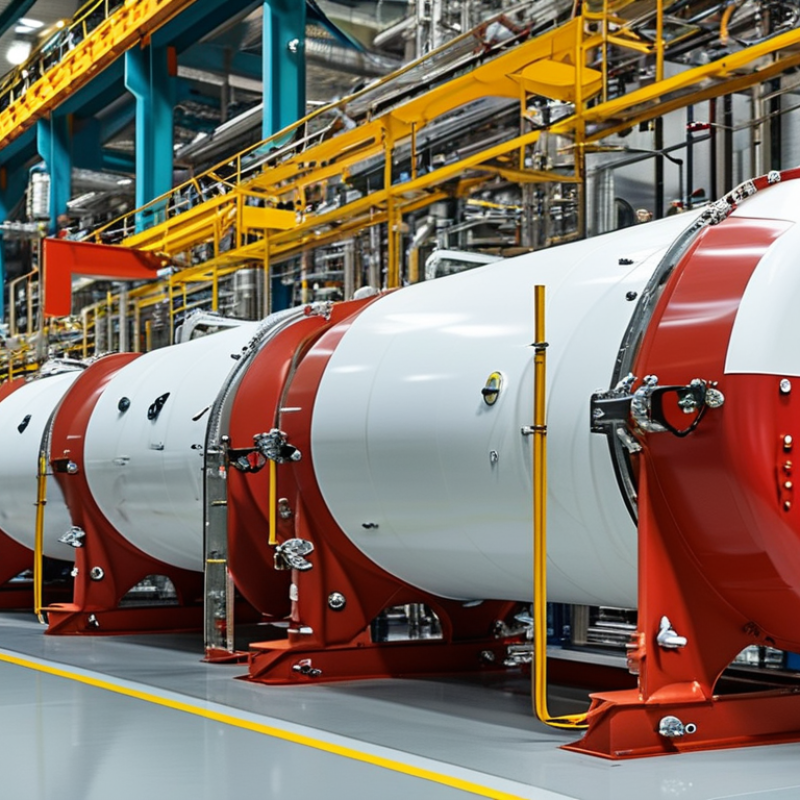
Why Choose Packinox Exchanger for Your Industrial Needs?
When considering industrial heat exchangers, the Packinox Exchanger stands out as a leading option. Its design ensures maximum efficiency while minimizing energy costs. Manufacturers appreciate its ability to handle high flow rates and temperature variations effectively.
Packinox Exchanger is known for its durability and reliable performance. This technology has proven itself in various industries, including chemical processing and oil refining. Customers report significant improvements in operational efficiency. However, the complexities of installation and maintenance require careful planning.
Choosing the right heat exchanger is crucial for productivity and energy savings. The Packinox Exchanger offers unique benefits, but users must weigh these against potential challenges. Understanding these factors can help optimize industrial processes in the long run.
Advantages of Packinox Exchangers in Industrial Applications
Packinox exchangers offer significant advantages in various industrial applications. These systems excel in heat transfer efficiency. They are designed to accommodate both high-pressure and high-temperature environments. This makes them suitable for industries like petrochemicals and power generation. The unique design allows for a compact layout, saving valuable space in plants.
Tips: When considering heat exchangers, assess the specific needs of your facility. Look for flexibility in design to accommodate future changes.
Another benefit is the durability of Packinox exchangers. They can withstand corrosive conditions better than traditional models. This results in longer service life and reduced maintenance costs. Some industries report a 30% decrease in operational downtime when utilizing these systems.
Tips: Regular maintenance checks can enhance performance. Always consult with an expert to optimize your setup.
While the initial costs may be higher, the long-term savings are substantial. Customers often cite improved energy efficiency as a key factor. After switching to Packinox, many facilities notice lower energy bills. However, proper training for staff is essential to maximize these benefits.
Why Choose Packinox Exchanger for Your Industrial Needs? - Advantages of Packinox Exchangers in Industrial Applications
| Feature | Advantage | Application |
| High Thermal Efficiency | Reduces energy consumption | Chemical Processing |
| Compact Design | Saves space in facilities | Oil & Gas |
| Robust Construction | Longer service life | Power Generation |
| Flexible Design Options | Customizable for various processes | Pharmaceuticals |
| Ease of Maintenance | Lower downtime | Food and Beverage |
| High Pressure Capability | Suitable for a wide range of applications | Industrial Cooling |
Efficiency and Performance of Packinox Heat Exchangers
Heat exchangers are vital in various industrial applications. They play a critical role in enhancing efficiency. When it comes to performance, their design is a key factor. An efficient heat exchanger ensures maximum heat transfer while minimizing energy loss. This balance is crucial for lowering operational costs.
Packinox heat exchangers offer unique design features. Their large surface area allows for higher heat transfer rates. This means better performance across different processes. Despite their effectiveness, some users may find the initial investment daunting. But the long-term energy savings can outweigh these initial costs. Regular maintenance is essential to uphold their efficiency. Neglect can lead to reduced performance over time.
In industries where heat recovery is paramount, the choice of a heat exchanger can greatly impact productivity. Performance must not just be defined by numbers. It should also consider reliability and lifespan. Companies need to reflect on their energy needs and processes. A tailored solution can provide significant advantages. Exploring options ensures the best fit for specific industrial requirements.
Durability and Reliability of Packinox Designs
When it comes to industrial applications, durability is crucial. A recent report by the World Chemical Engineering Society highlighted that heat exchangers are responsible for nearly 30% of energy loss in industrial systems. Thus, selecting the right design can impact overall efficiency considerably. Packinox exchangers excel in this area, offering robust materials that withstand extreme conditions.
Testing shows that these designs can handle both high-pressure and high-temperature scenarios without significant wear. In fact, studies indicate that their unique construction can extend service life by up to 50% compared to conventional designs. This reliability is not merely a marketing claim; it is backed by rigorous engineering standards and analytical data.
Yet, it’s vital to recognize that not all designs suit every application. Some users may notice performance issues when faced with varying fluid types or operational demands. Evaluating specific industrial needs and conditions is essential. Nonetheless, many find that Packinox's adaptable features mitigate potential drawbacks, ensuring they meet anticipated operational requirements reliably.
Customization Options for Packinox Exchangers
Customization options for Packinox exchangers are vital for various industrial applications. These exchangers can be tailored to meet specific thermal and flow requirements. Industries such as petrochemicals and pharmaceuticals often require precise temperature control and energy efficiency. According to a report by the International Energy Agency, optimizing heat exchangers can lead to energy savings of up to 30%.
Design flexibility stands out as a key feature. Users can choose different materials and configurations, ensuring compatibility with specific processes. A study from the Journal of Chemical Engineering indicates that customized designs lead to improved performance and prolonged service life. However, designing bespoke solutions requires careful analysis of operational conditions.
Despite these advantages, not all customization efforts succeed. Misalignment with process parameters can lead to inefficiency. Continuous feedback from operations is essential. Data from industry surveys suggest that only 60% of installations achieve anticipated performance metrics. It highlights the importance of ongoing assessment and potential redesigns in achieving optimal results.
Cost-Effectiveness of Packinox Solutions in Industry
Cost-effective solutions are crucial in today's fast-paced industrial environment. When considering heat exchange systems, efficiency is a primary factor. The right exchanger can significantly reduce operational costs. A well-designed unit optimizes heat transfer while minimizing energy consumption. This balance leads to long-term savings for businesses, making it an attractive option.
Many industries face pressure to lower expenses without sacrificing quality. Choosing the appropriate heat exchanger can be challenging. However, investing in effective solutions often pays off. For example, a tailored design can enhance performance, leading to lower energy costs. Companies should also consider maintenance requirements, as these can affect long-term expenses. An efficient system often results in reduced downtime.
Innovation in material and design can lead to significant improvements. Smart designs focus on maximizing surface area while ensuring durability. This approach enhances the efficiency of the system. Companies sometimes overlook the importance of such innovations. Reflecting on past choices can guide future investments. Prioritizing cost-effective solutions is essential for sustainability in industrial operations.
Cost-Effectiveness of Heat Exchangers in Industry
This chart illustrates the cost-effectiveness index of various heat exchanger types used in industrial applications. The Packinox Exchanger stands out with a significantly higher index, indicating better cost efficiency compared to shell and tube, plate, and air-cooled exchangers.