Why Choose an Ltcc Punching Machine for Your Production Needs?
In the world of modern manufacturing, efficiency and precision are key. The Ltcc Punching Machine stands out as a vital tool for businesses aiming to enhance their production capabilities. This advanced machine simplifies complex operations, allowing for accurate and increased output. However, choosing the right equipment is not just about speed; it involves understanding its impact on your workflow.
The Ltcc Punching Machine offers unique benefits that can elevate production standards. Its ability to handle various materials with precision reduces waste and increases profitability. Manufacturers often appreciate the versatile applications the machine provides, from creating intricate designs to mass production. Yet, investing in this technology requires careful consideration of your specific needs and production goals.
Many might wonder if the Ltcc Punching Machine is the perfect fit. It's essential to evaluate your current processes and the machine's capabilities. Though this machine has proven advantages, its real effectiveness lies in how well it integrates into an existing system. Reflecting on these factors can lead to more informed decisions that truly enhance production efficiency.
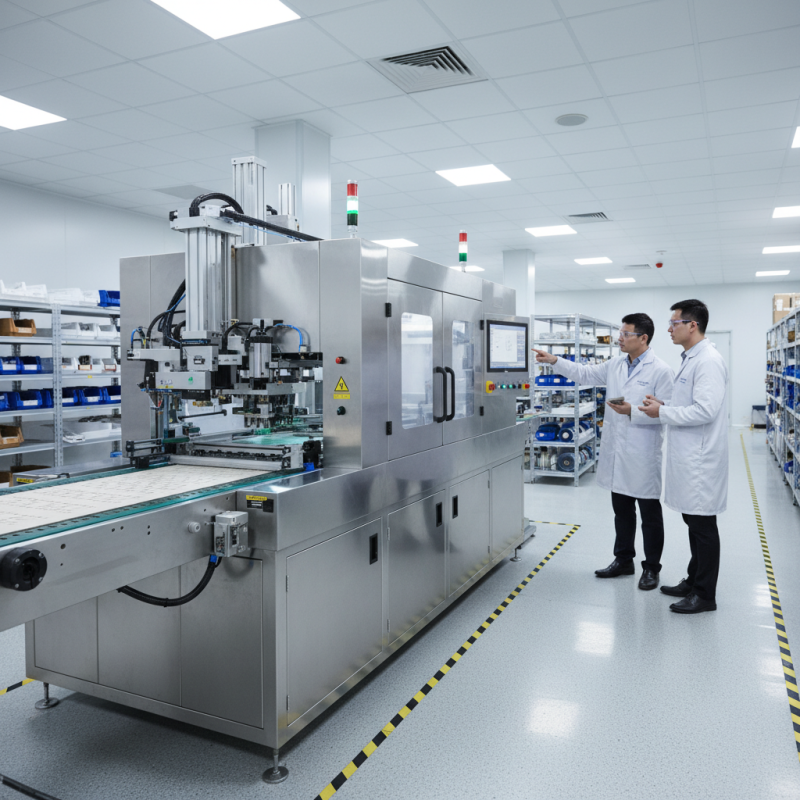
Understanding the Basics of LTCC Punching Machines
LTCC (Low-Temperature Co-fired Ceramics) punching machines have gained prominence in high-tech manufacturing sectors. These machines are designed specifically for producing multilayer substrates used in various electronic devices. Understanding their fundamentals is crucial for manufacturers looking to optimize production efficiency.
The design of LTCC punching machines allows for precision cutting of ceramic materials. They can achieve tolerances within a few micrometers. Industry studies indicate that this precision significantly reduces waste material. A report from the International Journal of Advanced Manufacturing Technology reveals that manufacturers incorporating LTCC technologies often see a 20% reduction in production costs compared to traditional methods. This efficiency is key for companies striving to meet increasing demands for miniaturized devices.
Moreover, the versatility of LTCC punching machines supports a wide array of applications. They can accommodate complex geometries, catering to diverse industry needs. However, operational challenges persist. Machine maintenance can be complex, and the learning curve for operators is steep. A survey highlighted that 30% of manufacturers encountered issues like improper calibration, leading to production delays. These challenges underscore the need for proper training and ongoing support. As manufacturers navigate this landscape, the advantages of LTCC punching machines continue to shine, albeit with considerations for operational improvements.
Why Choose an Ltcc Punching Machine for Your Production Needs?
| Feature | Description | Benefits | Applications |
| Precision Engineering | High accuracy in punching and forming LTCC materials. | Minimizes waste and improves product quality. | Microelectronics, RF components. |
| Versatile Settings | Allows for various parameters adjustment for different applications. | Customizable to meet specific production needs. | Antenna production, sensor manufacturing. |
| Automated Operation | Integration with automated production lines for enhanced efficiency. | Reduces labor costs and increases throughput. | High-volume production environments. |
| Material Compatibility | Compatible with various LTCC substrates. | Flexibility in material choices enhances design possibilities. | Various electronic component manufacturing. |
| User-Friendly Interface | Intuitive controls for easy operation and setup. | Reduces learning curve and training time for operators. | Small to large scale production facilities. |
Key Advantages of Using LTCC Punching Machines in Production
LTCC (Low-Temperature Co-Fired Ceramics) punching machines are becoming essential in modern production. They offer key advantages that enhance efficiency and precision. Reports suggest that companies using LTCC machines report a 20-30% increase in production speed. This improvement is critical in industries where time and accuracy directly impact profits.
One significant benefit of LTCC punching machines is their ability to handle complex shapes. This capability allows manufacturers to create intricate designs without compromising material integrity. Additionally, these machines minimize waste, aligning with sustainability goals. Reducing material waste can lower costs. According to recent industry data, effective waste reduction techniques can save up to 15% in material costs.
Tip: Regular maintenance of LTCC machines is crucial. Schedule checks to ensure optimal performance and longevity.
Moreover, LTCC punching provides flexibility in production runs. Manufacturers can easily switch between designs, catering to diverse client needs. However, adapting to rapid changes in demand can be challenging. Companies must be prepared for unexpected shifts in production requirements. This adaptability is often a double-edged sword, leading to potential resource strain. Balancing flexibility and efficiency is essential for long-term success.
Tip: Employee training is vital. Ensure your team is well-versed in the nuances of LTCC technology.
Factors to Consider When Selecting an LTCC Punching Machine
When selecting an LTCC (Low Temperature Co-fired Ceramics) punching machine, several critical factors must be considered. The machine's precision is paramount. Industry reports indicate that a precise punch ensures minimal material waste and optimal yield. A slight deviation can lead to significant cost increases, especially in high-volume production scenarios. The cost of wasted raw materials can reach up to 15% in some industries.
Another significant aspect is the machine's compatibility with various substrates. An effective LTCC punching machine should handle diverse materials efficiently. Machines that struggle with this may require additional adjustments, leading to downtime. Reports show that unplanned production disruptions can reduce overall productivity by as much as 25%. Therefore, understanding the range of materials is essential for continuous operation.
Lastly, consider the automation level of the machine. Higher automation can improve operational efficiency. However, it may also introduce complexities in setup and maintenance. Not all machines are easy to troubleshoot, which can result in longer repair times. While automated solutions can enhance performance, they also require a skilled workforce familiar with the technology. Balancing automation with user-friendliness is a crucial point for many operations.
Applications of LTCC Punching Machines in Various Industries
The LTCC (Low-Temperature Co-fired Ceramic) punching machine serves various industries, showcasing its versatility. In electronics, these machines create multilayer substrates vital for modern circuits. A report from Technavio highlights a projected growth of 10% annually in the LTCC market, driven by increased demand for compact electronic devices. Their capacity to produce intricate designs enhances efficiency, crucial for industries aiming for innovation.
In the automotive sector, LTCC punching machines are employed to manufacture sensors and filters. These components secure high-performance and reliability. According to a recent study by MarketsandMarkets, the automotive ceramic market will reach $13 billion by 2025, underlining the importance of LTCC technology. Such machines ensure precise production, aligning with the industry's strict quality standards.
Tip: When selecting an LTCC punching machine, consider operating speed. A faster machine may reduce costs but could compromise precision. Additionally, evaluate the material compatibility to ensure optimum performance. Continuous improvements in technology may present unexpected challenges, highlighting the need for ongoing training and adaptation in production practices.
Applications of LTCC Punching Machines in Various Industries
Maintenance Tips for Optimizing LTCC Punching Machine Performance
Regular maintenance of your LTCC punching machine is essential for optimal performance. Studies show that preventive maintenance can reduce downtime by 30%. Keeping machinery in peak condition enhances both productivity and efficiency. Simple tasks like regular cleaning can prevent buildup, which causes wear and tear.
Check wear parts frequently. Punches and dies wear out over time. Replacing them proactively can secure consistent quality in production. The recommended replacement cycle is typically every 500,000 punches, but this depends on the material and usage. Documenting performance metrics helps you identify trends and make informed decisions about maintenance.
Lubrication is another key factor. Proper lubrication reduces friction and heat, extending the machine's lifespan. However, too much lubricant can attract dust and debris. Strive for a balance. Regular inspections can reveal leaks or irregularities before they escalate into larger problems. Aim for a maintenance schedule that fits within your production cycles, allowing for minimal disruption.





