Why Choose HVAC Shaft for Efficient System Performance?
Choosing the right components for an HVAC system is crucial for optimal performance. One key element often overlooked is the HVAC-Shaft. It plays a vital role in the system’s efficiency. An improperly designed HVAC-Shaft can lead to increased energy consumption and higher operational costs.
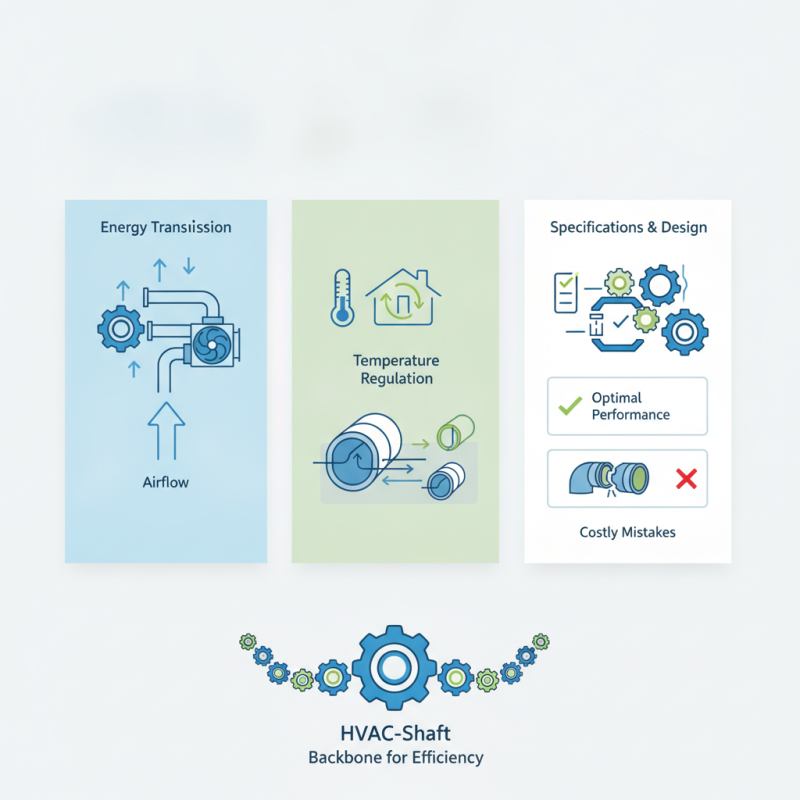
The HVAC-Shaft helps in the transmission of energy throughout the system. Its design impacts airflow and controls the distribution of heating and cooling. In many cases, users discover that their systems struggle with temperature regulation. This often stems from inadequate shaft design or sizing. Selecting the right HVAC-Shaft can prevent these issues, ensuring better system reliability.
Additionally, understanding the specifications of the HVAC-Shaft is essential. Different environments may require unique designs. Some HVAC-Shafts may not be suited for certain applications. Knowledge of these details helps in avoiding costly mistakes. System performance directly correlates with the quality of its components. A well-chosen HVAC-Shaft serves as a backbone for efficiency.
Benefits of HVAC Shafts in System Efficiency
HVAC shafts play a crucial role in enhancing system efficiency. These vertical conduits optimize airflow, minimizing resistance. Their design allows for better heat exchange. Proper airflow leads to less energy consumption. This efficiency reduces operating costs.
Moreover, HVAC shafts aid in space management. They can be integrated into various building layouts. This versatility allows for seamless installation. However, improper placement can hinder airflow. Regular assessments are necessary to ensure optimal performance.
In colder climates, the importance of HVAC shafts increases. They help maintain consistent temperatures. However, insulation may be needed to prevent heat loss. Balancing efficiency and comfort requires careful planning. It's essential to invest in routine maintenance checks. This approach ensures that HVAC systems operate at peak efficiency.
Understanding the Role of HVAC Shafts in Airflow Management
In modern HVAC systems, shafts play a critical role in managing airflow. They serve as conduits for air movement, ensuring that conditioned air circulates efficiently throughout a building. Without properly designed shafts, air distribution becomes uneven, leading to hot or cold spots in different areas. This inefficiency not only affects comfort but also increases energy costs.
Effective airflow management relies on the geometry of the shaft. The size, shape, and material can significantly impact air velocity and pressure. If shafts are too small, airflow may become restricted. This restriction can choke the system, demanding more energy to maintain desired temperatures. On the flip side, oversized shafts may lead to wasted space and higher installation costs. Thus, selecting the right specifications requires careful consideration and expertise.
Building design often overlooks shafts, considering them secondary. However, failing to prioritize proper airflow management can lead to performance issues. For instance, improperly installed shafts may harbor dust and debris, impacting air quality. Regular inspections and maintenance can help identify such inefficiencies. HVAC professionals must understand the unique requirements of each installation to ensure optimal performance.
Why Choose HVAC Shaft for Efficient System Performance? - Understanding the Role of HVAC Shafts in Airflow Management
| Dimension | Specification | Material | Efficiency Rating | Airflow Capacity (CFM) |
| 12" x 12" | Standard | Galvanized Steel | 90% | 800 |
| 14" x 14" | High-Performance | Aluminum | 92% | 1200 |
| 10" x 10" | Standard | Fiberglass | 88% | 600 |
| 16" x 16" | Commercial Grade | Stainless Steel | 93% | 1500 |
Impact of Shaft Design on Energy Consumption
The design of HVAC shafts plays a critical role in energy consumption. A well-engineered shaft minimizes friction and resistance in the system. This leads to lower energy usage over time. When the components align properly, airflow becomes more efficient. Thus, considering shaft design is essential for optimizing energy performance.
Tips: Regular maintenance of the shaft is necessary. Check for wear and tear regularly. Adjustments can make a significant difference in performance. An overlooked shaft may compromise energy savings.
Incorporating the right materials is key as well. Lightweight, durable materials can improve the overall efficiency of the system. However, not every design suits every situation. It's important to evaluate your specific needs and conditions. Experimentation may be needed to find the perfect fit. An ideal shaft design is one that balances performance with practicality.
HVAC Shaft Design Impact on Energy Consumption
The chart above illustrates the impact of different HVAC shaft designs on energy consumption. As the design transitions from a basic shaft to high-efficiency models, significant reductions in energy usage are evident, demonstrating the benefits of optimizing shaft design for more efficient system performance.
Comparing Different HVAC Shaft Materials for Optimal Performance
When it comes to HVAC shafts, material selection is essential for optimal performance. Different materials directly affect efficiency, durability, and maintenance requirements. Steel shafts provide strength and resistance. They are often chosen for heavy-duty applications. However, they can be prone to rust, requiring regular maintenance.
In contrast, aluminum shafts are lighter and corrosion-resistant. This makes them a popular choice for residential systems. They can improve system efficiency due to lower energy consumption during operation. However, aluminum may not offer the same strength for larger installations. It's important to assess the specific needs of your HVAC system before making a choice.
Some newer materials, like composite options, are gaining attention. These offer a balance between weight and strength. Yet, their long-term performance is still being evaluated. Users should consider factors such as cost and service life when selecting the ideal shaft material. It’s a decision that can significantly impact system reliability and efficiency.
Maintenance Practices to Ensure Long-lasting HVAC Shaft Efficiency
Maintaining HVAC shafts is crucial for system efficiency. Regular inspections can catch issues early. A report by ASHRAE indicates that up to 30% of energy use can result from poorly maintained HVAC systems. Therefore, focusing on shaft care is essential.
Lubrication is a key practice. Insufficient lubrication can lead to wear and tear. This not only affects performance but also increases energy consumption. A study by the U.S. Department of Energy reveals that optimized lubrication can improve equipment efficiency by 10-15%. Proper techniques help avoid unnecessary repairs.
Regular alignment checks are vital too. Misalignment can cause vibration and additional strain on components. Industry data shows that misalignment increases wear rates significantly. This can shorten equipment lifespan and lead to higher operational costs. Implementing a disciplined maintenance schedule is an effective way to address these issues and ensure system longevity.





