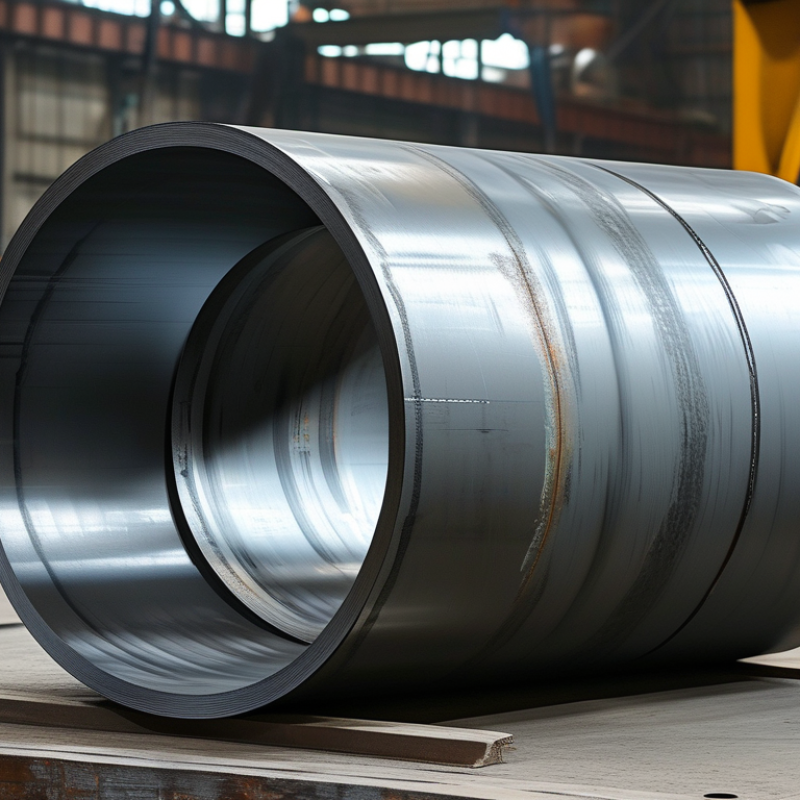
Why Choose Hot Rolled Metal for Your Next Project?
When considering materials for your next project, Hot Rolled Metal stands out. This type of metal is favored for its versatility and affordability. It is commonly used in various applications, from construction to automotive manufacturing. The hot rolling process allows for easier shaping of metal, making it ideal for intricate designs.
Hot Rolled Metal has a unique finish that appeals to many designers. Its rough surface can add an industrial aesthetic to projects. However, this texture may not suit everyone’s taste. It is important to weigh the benefits against your project's specific requirements.
Inexperienced buyers may overlook the potential imperfections in Hot Rolled Metal. While it offers great durability, minor blemishes can occur during production. Understanding these limitations can lead to better decisions. Always consider the specific attributes of Hot Rolled Metal and how they align with your project goals.
Benefits of Hot Rolled Metal in Construction and Manufacturing
Hot rolled metal offers unique benefits for construction and manufacturing. Its favorable properties make it a top choice among industry professionals. According to a recent industry report, about 60% of construction projects utilize hot rolled steel due to its excellent weldability and formability. These characteristics facilitate the efficient assembly of complex structures.
When working with hot rolled metal, precision matters. Ensure your specifications align with industry standards to avoid costly errors. Overruns can complicate timelines and budgets. Keep an eye on tolerances that may fluctuate during the rolling process. This fluctuation can lead to imperfections, so quality control is essential.
Think about the overall cost-effectiveness. Estimates show that hot rolled materials can reduce expenses by up to 15% compared to cold rolled options in many applications. If you seek a strong, durable product that can withstand the rigors of construction, hot rolled metal is often the way to go. Focus on sourcing from reputable suppliers, as the quality of raw materials greatly affects the final outcome.
Hot Rolled Metal vs. Cold Rolled Metal: Key Differences Explained
When it comes to hot rolled metal versus cold rolled metal, the differences can significantly impact your project. Hot rolled metal is created by heating billets above their recrystallization temperature. This process makes it easier to shape and form. The result is a product with a rough surface and lower precision. It's ideal for large structures, like beams and railways.
Cold rolled metal, on the other hand, undergoes processing at room temperature. This yields a smoother finish and tighter tolerances. It's used in applications requiring a high degree of accuracy. However, it often comes at a higher cost. Each option has its own set of advantages and drawbacks to consider carefully.
Tips: Choose hot rolled metal when you need strength and a quicker manufacturing process. Use cold rolled metal for components needing precise dimensions. Always evaluate the demands of your project before making a decision. Reflecting on these details can lead to more successful outcomes.
Applications of Hot Rolled Metal in Various Industries
Hot rolled metal plays a vital role in numerous industries. Its versatility makes it suitable for various applications. From construction to automotive, the uses are extensive. In the construction sector, hot rolled steel is favored for structural beams. These beams provide strength and stability to buildings. This material can withstand heavy loads and resist deformation. However, it may require protective coatings to prevent corrosion.
In manufacturing, hot rolled metal is essential for creating machinery parts. Its malleability allows for intricate designs that are often needed in production lines. Custom components can be produced quickly due to the efficient process. Yet, the precision may not always meet the demands of high-tolerance applications. Some industries may find the surface finish less than ideal. This can lead to additional processing steps and potential delays.
Transportation also benefits from hot rolled metal. It is used in the production of rail tracks and vehicle frames. This metal’s strength-to-weight ratio is advantageous for reducing material costs. However, it’s crucial to consider its weight in design. Balancing strength and weight can pose challenges. Ultimately, understanding the specific needs of each project helps maximize the benefits of hot rolled metal.
Cost Efficiency of Using Hot Rolled Metal for Large Projects
Hot rolled metal offers significant cost efficiency, especially for large projects. The low manufacturing costs associated with hot rolling contribute greatly to its affordability. According to a recent industry report, hot rolled steel can be up to 20% cheaper than cold rolled alternatives. This price difference plays a crucial role in budgeting for big construction projects.
Using hot rolled metal helps reduce overall material costs. For instance, its ease of fabrication means less labor and reduced processing time. Research indicates that contractors save approximately 15% on labor costs when using hot rolled products. Moreover, the versatility of hot rolled metal allows for easier modification during the construction phase. However, one should be mindful of its surface finish, which may require additional treatment for aesthetic projects.
Quality control can also be challenging. Inconsistent material properties may affect performance. While hot rolled metal is highly durable, variations in thickness can lead to unexpected outcomes. Contractors must carefully assess these factors in their project plans. Balancing cost and quality is essential, and awareness of potential pitfalls will help in making informed decisions.
Understanding the Processing Techniques of Hot Rolled Metal
Hot rolled metal processing involves heating metal above its recrystallization temperature. This allows the metal to be easily shaped and formed. Unlike cold rolled options, hot rolled metal often shows slight imperfections, which can lead to reflections on quality. These imperfections may include rough surfaces or slight warping. However, they can add character to the final product.
When choosing hot rolled metal, consider the intended application. This material is ideal for large-scale projects, such as structural beams or frames. It tends to be cheaper and requires less energy in processing. Yet, the surface finish might need attention to meet aesthetic standards.
Tips: Inspect the surface quality before finalizing your choice. If your project requires a smooth finish, consider additional processing. Understanding these aspects can help you make informed decisions. Hot rolled metal is versatile but comes with trade-offs. Always weigh the benefits against potential drawbacks for your specific needs.