Why Choose a Crushing Screening Plant for Your Project Needs?
The use of a crushing screening plant is pivotal in various construction and mining projects. According to industry reports, the global crushing and screening equipment market is projected to surpass $10 billion by 2025. This growth underlines the plant's critical role in material processing.
Integrating a crushing screening plant offers several advantages. For instance, it improves efficiency by reducing the need for multiple processing stages. Additionally, efficient use can lead to a decrease in operational costs, which is crucial for project budgets. However, selecting the right equipment requires careful consideration. Not every plant suits every project, and mistakes can result in delays and unnecessary spending.
Despite the benefits, potential oversights are worth noting. Some project managers may underestimate the time needed for installation and training. Addressing such issues early can lead to smoother operations. In conclusion, knowing the specifics of a crushing screening plant is essential. Thoughtful decision-making can pave the way for successful project outcomes.
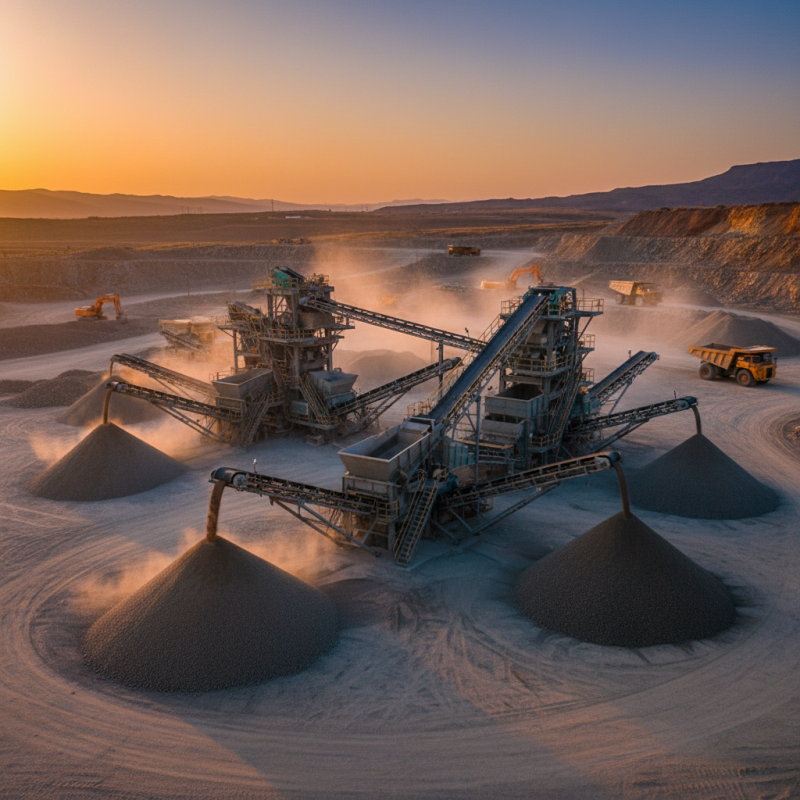
Benefits of Using Crushing Screening Plants in Construction Projects
Crushing and screening plants play a vital role in modern construction projects. These plants allow for the efficient processing of materials, such as aggregates and recycled concrete. According to the National Stone, Sand & Gravel Association (NSSGA), construction aggregates are vital, making up nearly 80% of total materials used in construction. Thus, having reliable crushing and screening equipment can significantly impact project efficiency and costs.
Utilizing these plants yields several benefits. They produce high-quality materials that meet strict industry standards. A report by Global Market Insights indicates that the crushing and screening equipment market will exceed USD 4.5 billion by 2025, highlighting their growing importance. Moreover, they increase productivity, allowing project teams to meet deadlines more effectively. Optimal material handling reduces waste and cuts down on unnecessary transport costs, benefiting the project's bottom line.
Tips: Always assess the layout and workflow of your crushing and screening plant. Ensure that operators are trained frequently to mitigate mishaps. Regular maintenance of equipment cannot be overlooked, as it improves lifespan and performance. Construction teams should also consider scalability, adapting to project size and complexity.
Key Features to Consider When Choosing a Crushing Screening Plant
When selecting a crushing screening plant, several key features should be prioritized. The capacity of the equipment is crucial. According to the Global Market Insights report, the crushing and screening industry is projected to reach $7 billion by 2027. Equipment that can process higher volumes can lead to improved productivity and efficiency on job sites.
Another important consideration is the mobility of the plant. Portable systems can enhance flexibility. They allow for quick relocation, reducing downtime during project transitions. Additionally, the efficiency of energy consumption cannot be overlooked. Reports suggest that equipment with low power consumption can dramatically reduce operational costs over time, which is a significant factor for project budgets.
Material compatibility is also essential. Different plants excel in processing various materials. A plant not suited for particular materials may lead to suboptimal outcomes or even equipment failure. This can result in unexpected project delays. Operators must evaluate the types of materials to be handled and ensure that the plant’s design aligns with these requirements. Keeping these factors in mind will help maximize the operational effectiveness and longevity of the crushing screening plant.
Types of Crushing Screening Plants and Their Specific Applications
Crushing screening plants are essential for various construction and mining projects. Each type serves specific needs, enhancing efficiency and productivity. For instance, mobile crushing plants are versatile and ideal for jobs that require transport between multiple sites. According to industry reports, the mobile crushing plant market has seen a growth rate of 7.5% annually. This trend highlights their rising demand in urban development and infrastructure projects.
Stationary plants, on the other hand, are often used in large-scale operations. They provide a stable platform for high-capacity processing. These setups are suited for quarries and aggregate production, where extensive materials processing is required. Both types reduce material handling costs, which can be significant. A report by market analysts shows that companies can cut operational costs by up to 30% when using the right crushing screening solutions.
Tips: Always assess your project’s scale before selecting a plant. Mismatching size and type can lead to inefficiencies. Also, consider the terrain and accessibility, as these factors affect setup time and transportation. It’s crucial to remember that investing in high-quality equipment can yield better long-term results. Don’t rush the decision; each project has unique requirements that deserve careful evaluation.
Cost-Effectiveness of Crushing Screening Plants for Project Efficiency
Crushing screening plants are crucial for project efficiency. They offer significant cost savings by reducing transportation and labor expenses. These plants process materials on-site, minimizing the need to haul aggregates across long distances. This not only cuts costs but also streamlines project timelines.
Utilizing these plants can enhance productivity. They enable faster processing of materials, allowing projects to meet tight deadlines. However, team members must be trained correctly. A lack of expertise can lead to inefficiencies. It's essential to evaluate the setup and operation continually. Regular maintenance checks can prevent breakdowns that may disrupt workflow.
Balancing cost and efficiency involves understanding the project requirements fully. Not all projects will benefit equally from crushing screening plants. Some situations might require different solutions. Assessing specific needs can reveal if these plants deliver on efficiency as expected. Adjusting approach based on real-time feedback helps optimize resource use.
Why Choose a Crushing Screening Plant for Your Project Needs?
| Feature | Description | Cost-Effectiveness | Project Efficiency |
| Flexibility | Can be moved and adapted to different sites easily. | Reduces transport costs and setup time. | Increases the ability to switch between projects swiftly. |
| High Productivity | Designed for efficient material processing. | Enhances output while minimizing operational delays. | Accelerates completion of projects. |
| Versatility | Can handle various materials, including rocks, concrete, and asphalt. | Reduces need for multiple machines, lowering expenses. | Boosts adaptability to different project requirements. |
| Reduced Labor Costs | Automated processes lower the dependence on manual labor. | Saves money on workforce expenses. | Increases operational efficiency. |
| Environmental Benefits | Promotes recycling and less waste generation. | Potentially lower costs associated with waste disposal. | Contributes to sustainability goals of projects. |
Environmental Impact and Sustainability of Crushing Screening Operations
The environmental impact of crushing and screening operations is significant and cannot be overlooked. According to a 2021 report by the European Commission, construction processes contribute nearly 30% of all greenhouse gas emissions in the EU. Implementing sustainable practices in crushing and screening plants can help reduce this impact. For instance, using energy-efficient machinery can lower emissions significantly.
Additionally, dust and noise pollution are critical concerns. A study from the National Institute for Occupational Safety and Health (NIOSH) notes that dust from crushing operations can cause respiratory issues. Efficient dust control measures, like water sprays and dust suppressants, can mitigate these risks. Some plants fail to implement adequate dust control systems, leading to serious health repercussions for workers.
Recycling materials is another vital aspect of sustainability. The Construction and Demolition Recycling Association (CDRA) highlights that recycling can recover over 70% of waste materials. Incorporating recycling processes into crushing and screening operations not only conserves resources but also reduces landfill use. However, many operations still rely heavily on virgin materials, missing opportunities for improvement.





