Why Choose Carbon Steel Pipe for Your Next Project?
In the construction and manufacturing industries, the choice of materials can significantly impact project success. One material that stands out is the Carbon Steel Pipe. According to a report by the American Society for Testing and Materials (ASTM), Carbon Steel Pipe accounts for over 50% of the total piping market due to its strength and durability.
Expert Mark Harrison, a respected figure in the piping industry, notes, "Carbon Steel Pipes offer unparalleled performance in demanding environments." These pipes are especially suitable for oil and gas applications, where reliability is crucial. Their robust nature allows them to withstand high pressures and temperatures, making them a go-to option.
However, while Carbon Steel Pipe is beneficial, it’s essential to consider its limitations. For instance, it may be prone to corrosion, requiring proper maintenance. An informed choice involves understanding these dynamics and assessing specific project needs. Investing in Carbon Steel Pipes can be highly effective, but it also demands careful analysis.
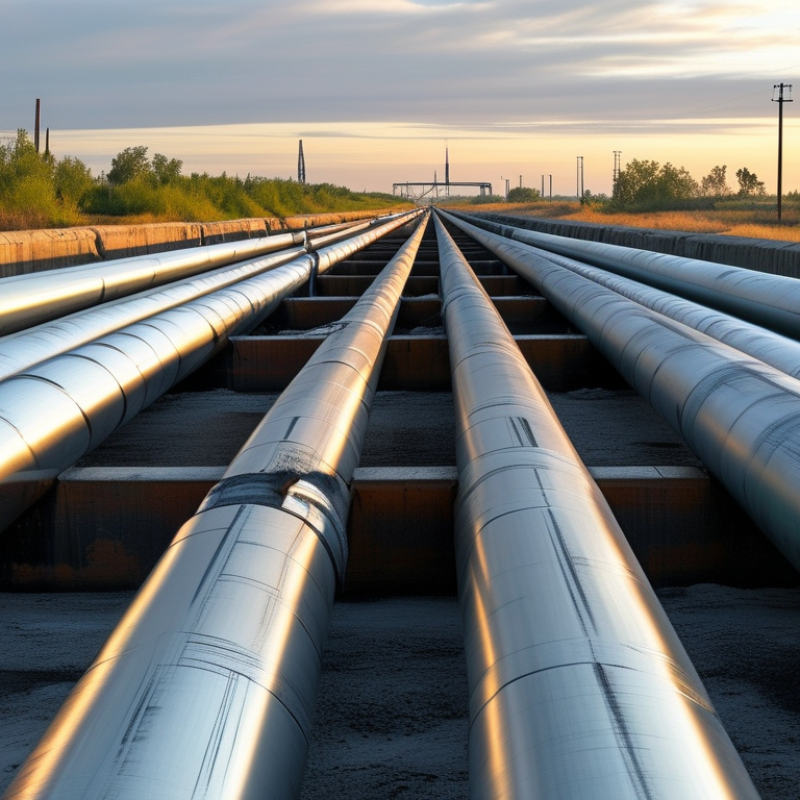
Understanding Carbon Steel Pipe and Its Benefits
When considering materials for your project, carbon steel pipe stands out. It is known for its strength and versatility. This pipe is widely used in construction and industrial applications. Its ability to withstand high pressure and temperature makes it a reliable choice.
Carbon steel pipe has several benefits. It is cost-effective and durable. This material can be easily welded and fabricated. The resulting structures are often robust and long-lasting. Additionally, carbon steel can handle various environments and conditions. This is why many engineers prefer it for critical applications.
**Tip:** Always assess the specific requirements of your project. Consider factors like pressure ratings and environmental conditions.
Another point to consider is the maintenance of carbon steel pipes. They may require occasional inspection for corrosion, especially in harsh environments. Proper treatment can prolong their lifespan significantly.
**Tip:** Invest in regular inspections and maintenance. This can prevent costly repairs or replacements later on.
Choosing carbon steel pipe can lead to successful project outcomes, provided you stay informed and attentive to maintenance needs.
Key Properties of Carbon Steel That Enhance Durability
Carbon steel pipe is gaining popularity in various projects due to its remarkable properties. One key feature is its high tensile strength. This strength allows pipes to withstand pressure and heavy loads. Whether used in construction or plumbing, carbon steel can endure harsh environments. Moreover, it shows excellent resistance to deformation.
Another aspect enhancing durability is corrosion resistance. While carbon steel is prone to rust, proper treatments can mitigate this issue. Applying protective coatings or regular maintenance helps extend its lifespan. Users must be proactive about this. Regular inspections can identify rust early on.
Tips for selecting carbon steel pipes include considering the project’s demands. Evaluate the pressure and temperature conditions. Ensure the pipes fit those specifications to avoid future complications. Adequate sizing and quality matter significantly. Investing time in research can prevent costly mistakes. Always consult with experts when in doubt. Their insights can guide you toward better decisions.
Applications of Carbon Steel Pipe in Various Industries
Carbon steel pipes are widely utilized across diverse industries due to their exceptional strength and durability. In construction, they form the backbone of structural frameworks. Buildings and bridges benefit from the robust nature of carbon steel, ensuring safety and longevity. Additionally, their resistance to corrosion makes them a preferred choice for both residential and commercial projects.
In the energy sector, carbon steel pipes are essential for transporting oil and gas. Their ability to withstand high pressures and temperatures is crucial in maintaining efficiency. However, regular maintenance is necessary to avoid potential leaks. In manufacturing, carbon steel pipes play a vital role in various machinery and equipment. They provide the necessary support for hydraulic systems and other complex operations.
The automotive industry also relies on carbon steel for its components. From exhaust systems to chassis, these pipes are integral for vehicle integrity. While carbon steel offers numerous advantages, it is important to consider its weight and potential for rust without proper treatment. Each application demands careful planning and consideration to maximize performance and safety.
Applications of Carbon Steel Pipe in Various Industries
Comparison of Carbon Steel Pipe with Other Pipe Materials
When comparing carbon steel pipe to other materials, several factors come into play. Carbon steel is known for its high strength and durability. It outperforms many alternatives, especially in high-pressure applications. This makes it ideal for industries like construction and oil and gas. Yet, it's not always the best choice. In corrosive environments, for instance, carbon steel may not hold up as well as stainless steel.
Another consideration is cost. Carbon steel pipes are generally more affordable than options like stainless steel or copper. However, lower initial costs can lead to higher maintenance expenses over time. This trade-off can complicate decision-making. In addition, carbon steel requires protective coatings to prevent rust, which adds to upfront costs and ongoing maintenance.
Furthermore, the weight of carbon steel pipe can be a downside in projects where weight is a crucial factor. Lighter materials such as PVC or aluminum may be more suitable in these cases. Evaluating the specific requirements of your project is essential. Balancing longevity, weight, and cost is key to making an informed choice. Each material serves its purpose in different scenarios, so careful analysis is necessary.
Why Choose Carbon Steel Pipe for Your Next Project? - Comparison of Carbon Steel Pipe with Other Pipe Materials
| Property | Carbon Steel Pipe | PVC Pipe | Copper Pipe | Stainless Steel Pipe |
| Cost | $$ | $ | $$$$ | $$$$$ |
| Corrosion Resistance | Moderate | Good | Poor | Excellent |
| Weight | Heavy | Light | Moderate | Heavy |
| Temperature Resistance | High | Low | High | High |
| Lifespan | 50+ years | 25-40 years | 50+ years | 50+ years |
| Applications | Construction, Oil, Gas | Wastewater, Drainage | Water Supply | Food, Water, Chemical |
Cost-Effectiveness of Choosing Carbon Steel Pipe for Projects
When considering materials for construction projects, carbon steel pipe stands out for its cost-effectiveness. It is widely available and affordable. This affordability makes it a popular choice for many builders and engineers alike. The initial investment in carbon steel is often lower than other materials. It allows for substantial savings without compromising quality.
Maintenance costs are another critical factor. Carbon steel pipes are durable and can withstand harsh environments. However, they may require periodic inspections for corrosion, but many projects find this manageable. In most cases, the longevity of carbon steel outweighs the need for regular upkeep. Handling these pipes can be straightforward, but care must be taken during installation to avoid damage.
While the benefits are clear, some may argue about the limitations of carbon steel, such as susceptibility to rust. Proper coatings or treatments can mitigate these concerns. Reflections on project specifics should guide material choices. Each project has unique challenges, and carbon steel may not always be the perfect fit. But for numerous applications, its advantages make it a smart economic choice.





