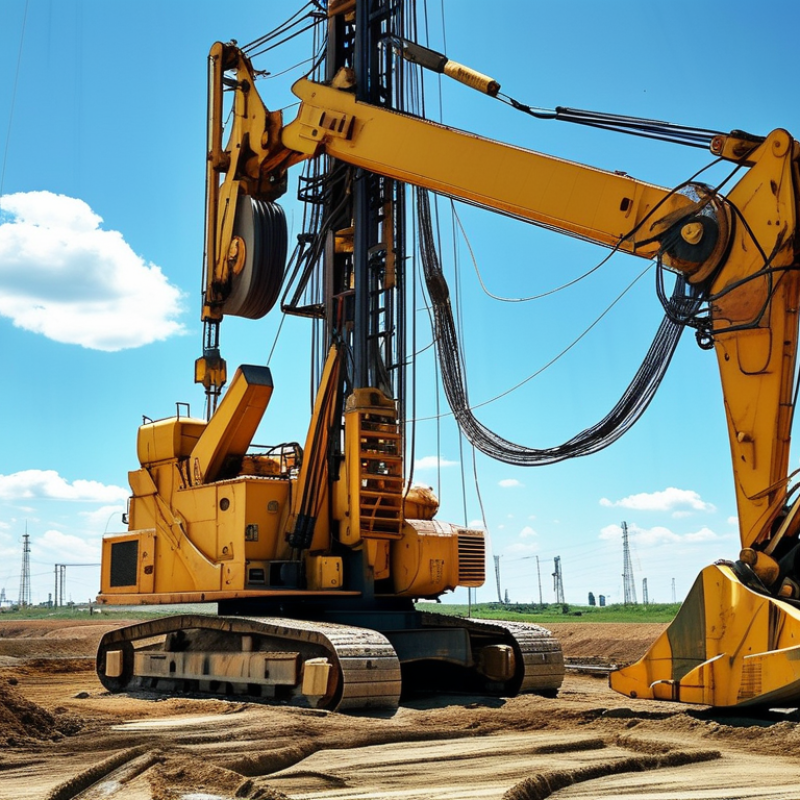
Why Choose Borewell Drilling Machine for Your Projects?
In today's construction and agricultural projects, water access is vital. A Borewell Drilling Machine offers an efficient solution for drilling deep into the ground to reach underground water sources. These machines are designed with advanced technology, ensuring reliability and performance.
Choosing the right borewell drilling machine can significantly impact project outcomes. With various options available, it's essential to understand the specific needs of your project. Reliable machines can save time and resources.
However, not all machines are created equal. Factors such as soil type and water depth can influence the drilling process. It's important to reflect on these aspects before making a choice. Selecting an appropriate Borewell Drilling Machine ensures a successful water sourcing strategy for your projects.
Benefits of Using Borewell Drilling Machines in Various Industries
Borewell drilling machines offer significant advantages across various industries. In agriculture, for instance, reliable access to groundwater is critical. According to a report by the International Water Management Institute, about 70% of global freshwater is used for irrigation. Borewell drilling ensures farmers can tap into this resource effectively, enhancing crop yields and supporting food security.
In the construction sector, these machines facilitate foundational work and utility installation. A study by Market Research Future indicates a projected growth of over 6% in the borewell drilling market by 2025. This demand highlights the essential role these machines play in infrastructure development. However, the process is not without challenges. Environmental concerns regarding groundwater depletion require thoughtful planning and sustainable practices.
Moreover, the ease of mobility and adaptability of borewell drilling machines make them ideal for diverse terrains. They can be used in urban settings, rural areas, and even remote locations. However, improper use could lead to soil erosion and other ecological repercussions, which necessitates ongoing training and adherence to best practices in the industry. Understanding these aspects can lead to more sustainable and effective projects.
Key Features to Look for in Borewell Drilling Equipment
When considering borewell drilling machines, it is crucial to focus on several key features that directly affect project performance. One of the most significant aspects is drilling depth capacity. High-quality borewell machines typically can reach depths of over 1,500 feet. Such capabilities are essential for tapping into freshwater aquifers or geological formations. Research indicates that over 60% of regions lack adequate surface water, making deep drilling a viable solution for many projects.
Another vital feature is the machine's power and efficiency. Borewell drilling equipment should come with reliable engines capable of delivering substantial torque, ensuring that drilling operations are smooth and effective. An industry report highlights that efficiency can improve productivity by up to 30%. Additionally, a robust cooling system helps maintain optimal functioning during prolonged periods. It prevents overheating, a common issue in intense drilling operations.
Portability is also a critical consideration, especially for projects in remote areas. Machines designed for easy transport can significantly reduce setup time. Some advanced models even feature integrated hydraulic systems for better maneuverability. However, it is essential to remember that portability often comes with trade-offs in stability. Many professionals face challenges in balancing mobility with the stability needed for precision drilling operations. This highlights the importance of selecting equipment that aligns with specific project requirements.
Comparative Analysis: Borewell Drilling vs. Traditional Water Drilling Methods
Borewell drilling machines have reshaped the landscape of water extraction. They offer distinct advantages over traditional drilling methods, such as cable tool and rotary drilling. One major difference is efficiency. Borewell machines can reach depths quickly, minimizing the time spent on the project. This speed is valuable for construction sites or agricultural projects where water access is crucial.
Traditional methods often rely on manual labor, which can slow progress and increase costs. Borewell drilling automates much of this process, reducing labor needs and human error. However, these machines have limitations. They may struggle in rocky terrains where traditional methods might excel. Users should consider the specific requirements of their site and the geological conditions.
Reliability is a key factor when choosing a drilling method. Borewell machines provide consistent results, but can face maintenance issues. Over time, they may require repairs that impact their efficiency. Understanding these factors is vital for project planning. Weighing the pros and cons ensures informed decisions, leading to successful water access solutions.
Comparison of Borewell Drilling vs. Traditional Water Drilling Methods
Cost-Effectiveness of Borewell Drilling Machines for Project Budgets
Borewell drilling machines offer a remarkable cost-effectiveness for various projects. Their ability to efficiently reach deep groundwater sources reduces the time and labor required. This efficiency translates into lower overall project costs, which is especially critical for budget-sensitive operations.
Investing in a borewell drilling machine can also minimize maintenance expenses. Traditional drilling methods often involve higher operational costs. By choosing modern equipment, users can expect more reliable performance and fewer breakdowns. Lower maintenance means savings in the long run.
However, not all projects may benefit equally from borewell drilling. For instance, rocky terrain or hard soil can pose challenges for drilling effectiveness. Potential buyers should assess their specific needs carefully. Evaluating terrain conditions and required depth is essential. Investing without this understanding may lead to unanticipated costs and project delays.
Maintenance and Operational Efficiency of Borewell Drilling Solutions
Borewell drilling machines have become essential in various projects. Their efficiency can be attributed to their advanced technology and reliable performance. However, maintenance plays a crucial role in ensuring these machines operate effectively over time.
Regular inspection of components is vital. Check for wear and tear frequently. Cleaning filters and cooling systems helps maintain optimal performance. Neglecting these aspects can lead to costly downtime. A well-maintained machine not only enhances productivity but also ensures safety on site.
Operational efficiency can be impacted by the drilling technique used. Operators should be trained adequately to maximize machine usage. Continual skill development helps in adapting to changing project demands. This approach fosters an environment of ongoing improvement. A pipe that is constantly optimized can reduce expenses in the long run. Ensuring there is a clear plan for addressing issues that arise can enhance overall project success.
Why Choose Borewell Drilling Machine for Your Projects? - Maintenance and Operational Efficiency of Borewell Drilling Solutions
| Feature | Description | Benefits | Maintenance Tips |
| High Efficiency | Borewell drilling machines are designed for quick and effective drilling. | Reduces project time significantly. | Regularly check and replace worn-out parts. |
| Cost-Effective | These machines minimize operational costs over time. | Lower overall project expenses, increasing ROI. | Keep the machine lubricated and free of debris. |
| Versatility | Suitable for various soil types and conditions. | Increased adaptability for various projects. | Adapt attachments based on soil conditions. |
| Operator Friendly | Designed for ease of use with minimal training. | Improves workforce training efficiency. | Provide ongoing training and refreshers. |
| Durability | Constructed with high-quality materials for longevity. | Reliability ensures uninterrupted project timelines. | Inspect structural integrity regularly. |