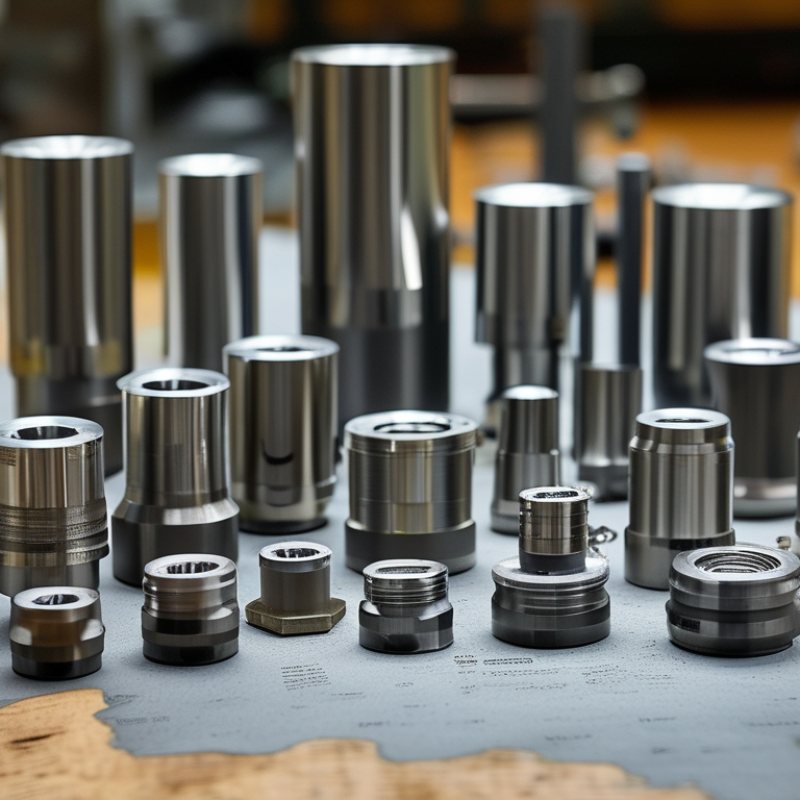
How to Choose the Best Tungsten Alloy for Your Needs?
Choosing the right Tungsten Alloy can profoundly impact your project's success. Tungsten alloys are known for their high density and excellent mechanical properties. These features make them a preferred choice in various industries, from aerospace to manufacturing.
Understanding your specific needs is crucial. Do you require strength, corrosion resistance, or thermal stability? Different tungsten alloys offer unique benefits for specific applications. Speak with industry experts to gain insights. They can highlight the best options available based on your requirements.
Selecting a tungsten alloy can feel overwhelming. There are many types with varying characteristics. It might be tempting to go for the most popular option. However, such choices may not always align with your goals. Take the time to evaluate your choices. Consider consulting professionals for tailored advice. This can help you avoid costly mistakes.
Understanding Tungsten Alloys: Composition and Properties
Tungsten alloys are known for their impressive density and hardness. Their composition often includes additives like nickel, copper, or iron, enhancing their mechanical properties. The unique blend of tungsten and these materials results in enhanced toughness and improved performance under extreme conditions. This makes tungsten alloys suitable for various applications, from aerospace to medical devices.
When selecting a tungsten alloy, consider its properties. Some alloys are better suited for high-temperature environments, while others perform well in electrical applications. Understand your project’s specific needs. Analyze the alloy’s resistance to corrosion and wear. This can significantly affect the longevity and reliability of the material you choose.
Research is vital before making a decision. Speak with experts or consult industry literature to gather insights. Look for case studies that highlight the performance of different tungsten alloys in real-world applications. Getting hands-on experience, if possible, can also provide valuable understanding. Be aware that each alloy has its trade-offs. Consider your priorities carefully to find the best fit for your needs.
Key Applications of Tungsten Alloys in Various Industries
Tungsten alloys have become essential in various industries due to their unique properties. They possess high density, excellent thermal conductivity, and remarkable resistance to corrosion. In aerospace, for example, tungsten alloys are widely used in counterweights and radiation shielding. According to a report by the Global Aerospace Materials Market, tungsten's weight-to-strength ratio makes it a preferred material for components that require both durability and lightweight design.
In the military sector, tungsten alloys serve critical roles in armor-piercing projectiles. Their high density allows for better penetration capabilities compared to conventional materials. A study from the Defense Materials Research Laboratory highlights that tungsten-based projectiles can achieve higher velocity with greater impact. This significant advantage enhances their effectiveness in various tactical operations.
Tungsten alloys find applications in medical devices, particularly in radiation therapy. The dense nature of these materials is ideal for shielding harmful radiation. Recent insights from medical industry reports indicate that tungsten is becoming increasingly popular for making radiation shields, helping to protect both healthcare professionals and patients. Industries leveraging tungsten alloys are challenged to consider factors like cost, availability, and the evolving environmental standards for material use.
Evaluating Density and Hardness: Choosing the Right Tungsten Alloy
When selecting a tungsten alloy for your specific needs, density and hardness are crucial factors to consider. Tungsten alloys come in various compositions, which influence these properties significantly. A higher density often equates to superior durability and weight, making it ideal for applications requiring stability and impact resistance. For instance, in military or aerospace contexts, an alloy's ability to withstand extreme conditions can be critical.
Hardness is equally important. It defines a material's resistance to deformation and wear. A harder tungsten alloy can endure harsher environments. However, hardness may affect ductility. An overly hard alloy can become brittle, leading to unexpected failures. Users should evaluate their practical application and decide how much hardness is necessary.
Choosing the right tungsten alloy demands thoughtful consideration of both density and hardness. Balancing these properties can lead to optimal performance. Moreover, consulting with experts in the field can provide valuable insights. Every application is unique, and understanding your specific needs will guide you toward the best decision. Consider how daily use may reveal areas for improvement in your choice of alloy.
Cost Analysis: Budgeting for Tungsten Alloys Based on Performance
When considering tungsten alloys, cost is a significant factor. Every application has specific requirements, which means the budget can vary widely. Higher performance alloys generally come with higher costs. Evaluate your project’s needs carefully before committing funds. Consider whether the added performance justifies the expense in your context.
In some cases, it may be tempting to go for the cheapest option available. However, this approach can be misleading. Lower-cost alloys may not provide the necessary durability or efficiency. This could lead to increased operational costs over time, resulting in a false economy. Weigh your priorities between upfront costs and long-term performance carefully.
Don’t forget to consider the sourcing process as well. Availability can influence prices significantly. Sometimes, a seemingly perfect alloy may have long lead times or limited suppliers, adding unexpected expenses. Understand these factors and factor them into your budget. A well-researched decision can save headaches later and enhance the overall success of your project.
Sustainability Considerations in the Selection of Tungsten Alloys
Sustainability is becoming crucial in choosing tungsten alloys. As industries strive for greener solutions, the environmental impact of materials is under scrutiny. Tungsten alloys are notably dense and durable, often used in aerospace and defense. However, their extraction and processing pose significant environmental challenges. According to an industry report by the International Tungsten Industry Association, sustainable practices can reduce waste by up to 30%. This statistic underscores the necessity for responsible sourcing and manufacturing processes.
The lifecycle of tungsten products is another critical factor. While tungsten itself is not considered a rare metal, the mining processes can be energy-intensive. Efforts to recycle tungsten can significantly lessen this impact. The European Commission highlights that recycling tungsten could potentially supply 20% of the demand by 2025. Awareness of this potential shows the importance of selecting suppliers who prioritize recycled materials and sustainable practices.
As you evaluate tungsten alloys, look beyond performance. Understanding the environmental footprint of your choices can lead to more sustainable outcomes. A careful balance of performance and responsibility is essential. Engage with suppliers that adhere to eco-friendly practices, and remain vigilant about the lifecycle impacts of your selected alloys.
How to Choose the Best Tungsten Alloy for Your Needs? - Sustainability Considerations in the Selection of Tungsten Alloys
| Property | Tungsten Alloy Type | Sustainability Rating | Applications | Recyclability |
| Density | W-Ni-Fe | Moderate | Aerospace, Military | Yes |
| High Temperature Strength | W-Cu | High | Electrical Contacts | Limited |
| Flexibility | W-Ni-Cu | Very High | Medical Devices, Automotive | Yes |
| Corrosion Resistance | Pure Tungsten | Moderate | Pharmaceuticals, Chemical | Yes |