How to Choose the Best Stainless Steel Decoration Pipe?
Selecting the right stainless steel decoration pipe is critical in construction and design. The global demand for stainless steel in decorative applications has seen significant growth, projected to reach over $200 billion by 2025. Industry expert Dr. Jane Smith states, "Choosing the right material can enhance both durability and aesthetic appeal."
In today's market, various types of stainless steel decoration pipes are available. They differ in quality, application, and pricing. Consumers often struggle to determine which option suits their needs best. Factors such as corrosion resistance, surface finish, and diameter play vital roles in the selection process. It's easy to overlook these details, but they significantly impact the final outcome.
Furthermore, sourcing from reputable suppliers ensures reliability. Many manufacturers provide insufficient information about their products. This can lead to poor choices and costly mistakes. It's essential to research and consider expert advice to avoid these pitfalls. Investing time in understanding the specifics of stainless steel decoration pipes will yield long-term benefits for any project.
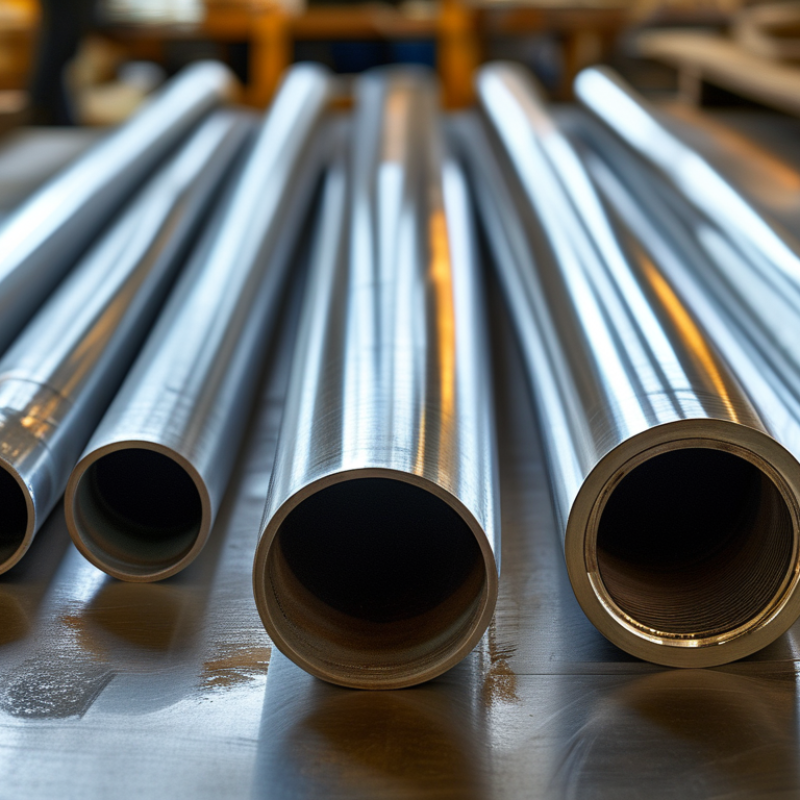
Understanding Different Types of Stainless Steel Pipes for Decoration
When selecting stainless steel decoration pipes, it is vital to understand their different types. The most common types include 304 and 316 stainless steel. Type 304 is versatile and suited for various decorative applications. It offers good corrosion resistance and is widely used in indoor settings. In contrast, 316 stainless steel contains molybdenum, enhancing its corrosion resistance in harsh environments, making it ideal for outdoor use.
According to industry reports, the global market for stainless steel pipes is projected to reach $79 billion by 2024. This growth is attributed to the rising demand for stainless steel in construction and design. Aesthetic appeal plays a crucial role, and choosing the right finish, whether polished or brushed, can significantly affect the overall look.
Tip: Always check the alloy composition when selecting pipes. It can impact durability and finish. Some surface imperfections may arise during manufacturing, so inspect carefully. Not all suppliers guarantee the same quality. Researching reviews and reports can help you make informed decisions. Consider your project’s location to ensure longevity.
How to Choose the Best Stainless Steel Decoration Pipe?
| Type | Finish | Thickness (mm) | Common Applications | Price Range (per meter) |
| Round Pipe | Polished | 2.0 | Railings, Furniture | $10 - $15 |
| Square Pipe | Brushed | 3.0 | Architecture, Decor | $12 - $18 |
| Rectangular Pipe | Mirror Finish | 2.5 | Display Cases, Fixtures | $15 - $20 |
| Oval Pipe | Satin Finish | 2.0 | Bicycle Frame, Handrails | $11 - $16 |
| Triangle Pipe | Etched Finish | 1.5 | Decorative Elements | $8 - $12 |
Key Factors to Consider When Choosing a Stainless Steel Decoration Pipe
Choosing the right stainless steel decoration pipe involves understanding various key factors. The grade of stainless steel is crucial. For decorative purposes, austenitic grades like 304 and 316 are common. According to industry reports, 304 is often preferred for its corrosion resistance and ease of fabrication. However, for harsher environments, 316, which contains molybdenum, offers better durability.
Another factor to consider is the finish of the pipe. A brushed finish provides a sleek look, while a polished finish adds shine. Different finishes influence both aesthetics and maintenance requirements. It's important to evaluate how these finishes hold up over time. Reports indicate that decorative pipes with higher-quality finishes require less frequent cleaning, making them more practical in the long run.
The pipe’s diameter and wall thickness are also essential. Larger diameters can provide more visual impact. However, they may also add complexity to installation. Data from construction reports show that selecting the right size can reduce costs and installation time. Many projects suffer from poorly chosen dimensions, leading to rework and delays. Balancing aesthetics with practical factors is vital for successful outcomes.
Evaluating the Aesthetic Appeal of Stainless Steel Pipe Designs
When evaluating the aesthetic appeal of stainless steel pipe designs, texture plays a vital role. Matte finishes can convey simplicity and elegance, while polished surfaces reflect light beautifully. According to a 2022 study by the International Stainless Steel Forum, 72% of designers prefer using brushed stainless steel for its ability to hide fingerprints and scratches. This choice supports a clean, minimalist look that many modern properties demand.
Color variations also impact design choices. Adding PVD (Physical Vapor Deposition) coatings can create unique hues. Trends show that black and gold tones are gaining traction, often resonating with upscale designs. Interestingly, 45% of architects surveyed noted that colored stainless steel pipes were invaluable in enhancing overall design coherence. However, some designers caution that not all colors age gracefully. They highlight the need for careful selection to avoid fading or discoloration over time.
Design intricacies matter too. A well-designed pipe can serve as a focal point in a space. Whether used in railings or structural accents, they should complement surrounding elements. Over-designing can lead to a chaotic appearance, diluting the intended aesthetic. Balancing simplicity and innovation is crucial. Thoughtful integration of these pipes can elevate a project, but it requires careful planning to achieve harmony within the overall design.
Evaluating the Aesthetic Appeal of Stainless Steel Pipe Designs
Assessing Durability and Maintenance in Stainless Steel Decoration Pipes
When evaluating stainless steel decoration pipes, durability and maintenance are crucial factors. According to a report from the International Stainless Steel Forum, stainless steel can withstand corrosion better than many metal alternatives. This quality makes it ideal for both indoor and outdoor applications. However, the specific alloy of stainless steel does impact its longevity. For example, austenitic steel is commonly chosen for its strength and resistance to rust.
Maintenance often involves periodic cleaning to maintain appearance and performance. For instance, cleaners should avoid abrasive materials that can scratch the surface. Regular inspections can help spot early signs of wear or corrosion. In a study by the Stainless Steel Development Association, it was revealed that proactive maintenance increases the lifespan of stainless steel by up to 30%. This indicates that investing time in care pays off significantly.
Choosing the right stainless steel decoration pipe also means understanding potential limitations. Some lower-grade stainless steels may not provide the expected durability. Thus, selecting a reputable supplier is vital. Working with experienced professionals can lead to better decision-making when it comes to material selection. The goal is to balance aesthetics and functionality without compromising either.
Cost Analysis: Budgeting for Your Stainless Steel Decoration Pipe Project
Budgeting for a stainless steel decoration pipe project requires careful planning. Start by determining your needs. Consider the length, diameter, and finish of the pipes. Each choice impacts the overall cost. A polished finish may look great but can add to your expenses. Assess how much of each type you will need. Often, bulk purchases yield better prices.
Factor in installation costs too. Hiring a skilled installer can be pricey. There might be hidden costs such as permits or modifications. If you’re doing it yourself, ensure you have the right tools. Overspending on tools you won’t use again can hurt your budget. Review your initial estimate regularly. Adjusting for unexpected expenses is crucial.
Finally, don’t ignore long-term costs. Stainless steel pipes are durable, yet maintenance may be needed over time. Allocating funds for upkeep early can help. Reflect on your project’s scope. It might be wise to scale back if costs are rising. Balancing quality and budget is essential for success.





