How to Choose the Best Snap Fastener Kit for Your Projects?
Choosing the right Snap Fastener Kit can significantly impact your crafting or sewing projects. With the global snap fastener market projected to reach $1.2 billion by 2027, the demand for quality kits is on the rise. Consumers are increasingly seeking durable, reliable solutions for fastening needs. Yet, not all kits are created equal.
A comprehensive study showed that 75% of users prefer kits that include a variety of sizes and styles. Such diversity allows for greater flexibility in projects. However, many kits fall short, lacking in essential components or quality materials. This disparity can lead to frustration and wasted time.
The right Snap Fastener Kit should offer not only functionality but also dependability. While some brands promise quick fixes, their performance may not match expectations. Users must navigate through options to find a kit that genuinely meets their needs. Exploring reviews and expert recommendations can guide this process.
Understanding Snap Fasteners: Types and Uses
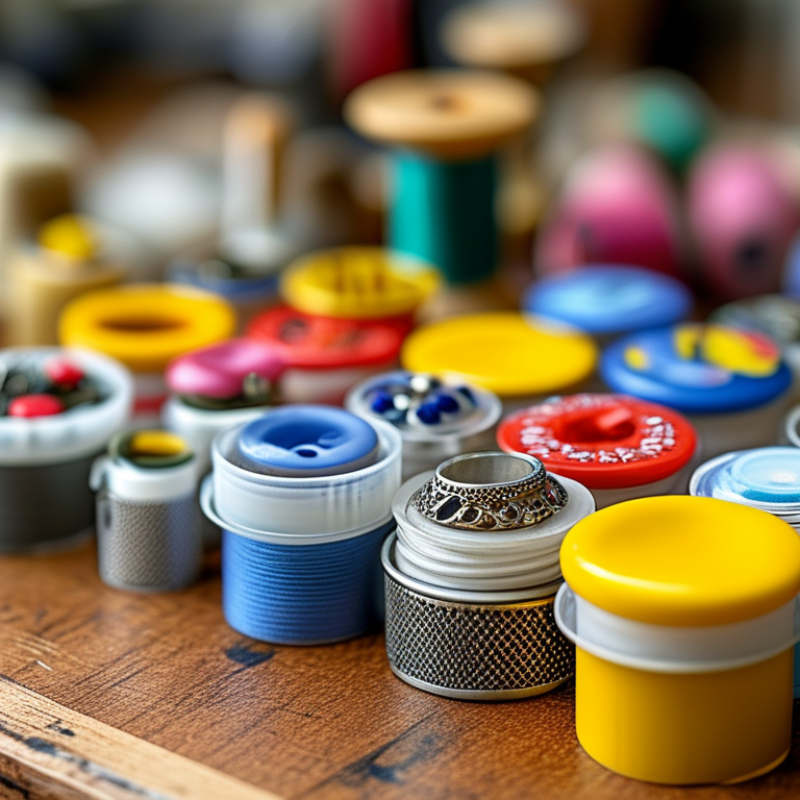
Snap fasteners are a practical solution for various projects, from clothing to home decor. Understanding different types of snap fasteners is crucial for choosing the right one. There are two primary types: pronged snaps and sew-in snaps. Pronged snaps grip fabric tightly, making them ideal for heavy materials. Sew-in snaps offer flexibility and are suitable for lighter fabrics, giving a cleaner finish.
When opting for snap fasteners, consider the material of your project. Metal snaps are durable but can be heavy. Plastic snaps are lighter and easier to work with. Each type has pros and cons that can impact your project’s final look.
Tips: Remember to test the snaps before committing to your design. Use scrap fabric to see how the snaps work. This step can save time and resources in the long run. If you're unsure about the snap type, consult DIY forums for personal experiences. Learning from others can lead to better choices and fewer headaches.
Key Features to Consider in a Snap Fastener Kit
When selecting a snap fastener kit, several key features need careful consideration. Snap fasteners are widely used across various industries, including fashion, upholstery, and crafting. According to industry reports, approximately 75% of professionals prioritize durability when choosing fasteners. Material quality greatly influences the kit's overall lifespan. Opting for kits made from high-grade metals or robust plastic can prevent premature wear and tear.
Another vital aspect is the variety of sizes and styles in the kit. A comprehensive kit allows flexibility to tackle diverse projects. A report from a leading crafts organization reveals that 60% of users prefer kits that include multiple sizes. This adaptability is essential for both amateur and professional applications. Furthermore, the ease of installation often determines project success. Kits with user-friendly tools or clear instructions are favored, especially by beginners who may struggle with complex setups.
Color options and aesthetics should not be overlooked. Many users seek kits with a range of colors to match their materials. Research shows that visually appealing fasteners can enhance the overall look of a project. However, striking a balance between functionality and aesthetics is crucial. Overly ornate designs might compromise strength or durability, leading to regret later on. Evaluating these factors ensures informed decisions when purchasing a snap fastener kit.
Comparing Materials: Metal vs. Plastic Snap Fasteners
When choosing between metal and plastic snap fasteners, consider their unique qualities. Metal snap fasteners offer durability and strength. They can withstand heavy use, making them ideal for projects that demand a long-lasting solution. According to a 2022 report by the Fastener Association, metal fasteners hold up 30% better under extreme conditions compared to plastic. This resilience is noteworthy for gear or outdoor applications.
On the other hand, plastic snap fasteners are lightweight and often more affordable. They are less likely to rust or corrode, making them suitable for lightweight fabrics. The 2023 Fabric Fastening Survey revealed that 68% of users preferred plastic for indoor or casual wear. However, their longevity may be an issue, especially in high-friction areas.
Both types have trade-offs. Metal fasteners can be heavier and more noticeable, while plastic may lack the same robustness. It’s essential to assess the project's specific needs, as well as factors like fabric type and expected wear. A misplaced decision might lead to regular replacements or unwanted fabric damage. Reflect on how each material aligns with your project goals.
Comparison of Metal vs. Plastic Snap Fasteners
Assessing Kit Contents: Essential Tools and Accessories
When selecting a snap fastener kit, you need to assess the kit contents carefully. A well-rounded kit should include various snap sizes to meet different project requirements. Research indicates that projects often vary in complexity, and having a range of sizes helps accommodate this. A comprehensive kit typically contains a selection of fasteners, tools, and accessories such as a setting tool and a storage case.
Think about the tools included. Reliable kits should contain a durable setting tool, as this is essential for proper installation. According to a survey conducted by the Craft and Hobby Association, 75% of crafters reported that quality tools significantly influence their project's success. Additionally, a good storage solution for the fasteners can help you stay organized. There’s nothing worse than misplacing pieces in the midst of a project.
Tips: Always double-check the compatibility of your selected tools with the snap fasteners. Often, manufacturers have different requirements, which can lead to frustration. For more advanced projects, consider investing in additional accessories, like extra washers or decorative caps. Sometimes the simplest kit can become complicated if you lack the right extras.
How to Choose the Best Snap Fastener Kit for Your Projects?
| Kit Type | Tools Included | Number of Fasteners | Material | Price Range |
| Basic Kit | Pliers, Installation Tool | 50 | Plastic | $10 - $15 |
| Deluxe Kit | Pliers, Installation Tool, Guide | 100 | Metal | $20 - $30 |
| Professional Kit | Heavy-Duty Pliers, Multiple Tools | 200 | Stainless Steel | $40 - $60 |
| Craft Kit | Mini Pliers, Fabric Cutter | 30 | Mixed (Plastic & Metal) | $8 - $12 |
Budgeting for Quality: Price Ranges and Value for Money
When considering a snap fastener kit, understanding price ranges is crucial. According to industry reports, high-quality kits typically range from $15 to $60. These prices reflect not just the quality of materials but also the reliability of the fasteners. Cheaper kits, costing under $15, may seem appealing. However, they often use inferior materials that compromise durability. This can lead to frustrations in your projects.
Investing in a mid-range kit often offers the best value. Reports indicate that kits priced between $30 and $50 generally provide a balance of quality and quantity. They usually come with diverse sizes and materials. Notably, the construction quality impacts performance over time. Cheap fasteners may fail during critical uses, leading to wasted time and materials.
Quality fasteners make a noticeable difference in project outcomes. Many seasoned creators recommend prioritizing quality over cost. While it might be tempting to save money, poor choices can lead to dissatisfaction. Reflecting on long-term value, it's clear that a robust kit is an essential tool for success.





