How to Choose the Best Sandblaster Gun for Your Needs?
Choosing the right Sandblaster Gun can be daunting. With so many options available, it's crucial to make an informed decision. Expert John Davis, a seasoned professional in the sandblasting industry, emphasizes, "The right tool makes all the difference in your project outcome." This highlights the importance of selecting a Sandblaster Gun that fits your specific needs.
Understanding your requirements is essential. Consider factors like material type, project scale, and desired finish. Not all guns are created equal; each has unique features that cater to different applications. A misfit tool might lead to unsatisfactory results or even damage your project surfaces.
Exploring various models and their specifications can be overwhelming. It’s vital to weigh the pros and cons of each option. A thoughtful choice can save time and frustration, while a hasty decision may lead to regrets. Balancing efficiency and effectiveness is key to getting the best value from your Sandblaster Gun.
Understanding Different Types of Sandblaster Guns Available
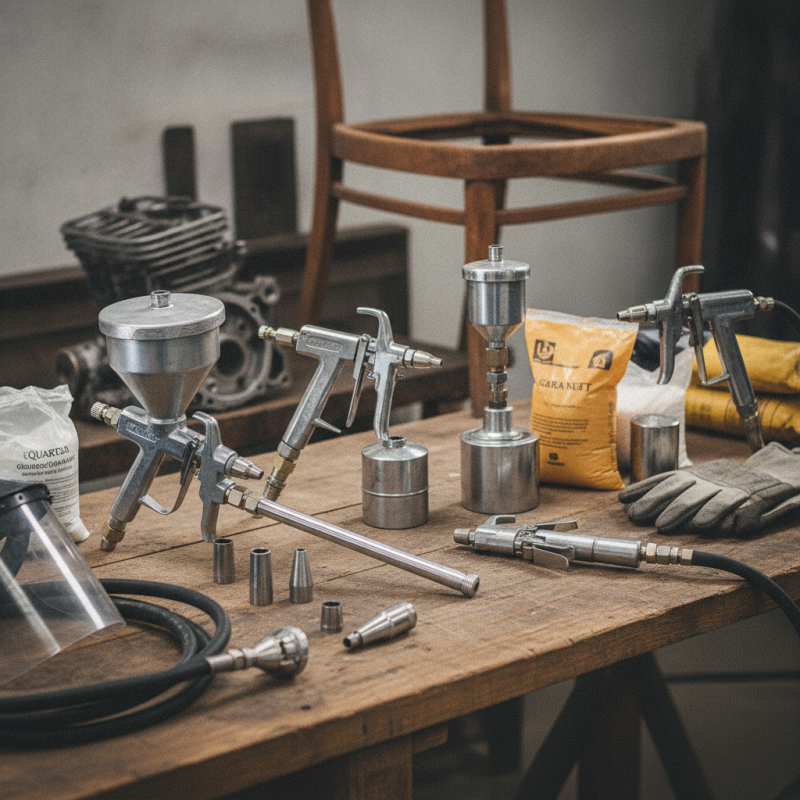
When choosing a sandblaster gun, understanding the types available is crucial. There are mainly three types: siphon, pressure, and gravity-fed sandblasters. Each type has distinct advantages and limitations. For instance, siphon sandblasters use gravity to feed the abrasive material, making them ideal for smaller projects. They are generally less expensive but may not be suitable for heavy-duty tasks.
Pressure sandblasters deliver a high-powered spray, creating an efficient cleaning mechanism. According to a report by IBISWorld, the sandblasting industry is projected to grow by 4% annually. This indicates that businesses increasingly rely on pressure sandblasters for commercial applications. However, they require a higher initial investment and can consume more materials, which may affect profitability.
Gravity-fed sandblasters are user-friendly and work well for intricate tasks. They might not have the power of pressure sandblasters but excel in precision work. An analysis by Market Research Future shows a rising trend toward precise sandblasting in automotive and architectural restoration projects. While these tools excel at detail, they might frustrate users looking for speed and efficiency. Understanding the needs of your project can help avoid these pitfalls.
Key Features to Consider When Selecting a Sandblaster Gun
Choosing the right sandblaster gun involves understanding key features that impact performance. A central factor is the nozzle size. A larger nozzle increases airflow but may reduce pressure, making it suitable for light-duty tasks. Conversely, smaller nozzles deliver higher pressure for more precise jobs, which can improve efficiency significantly. According to industry data, optimal nozzle sizes can enhance material removal rates by up to 30%.
Another important feature is the material of the gun itself. A durable, corrosion-resistant material ensures longevity, especially in harsh environments. Most experts recommend aluminum or stainless steel for their robustness. Additionally, an ergonomic design contributes to better handling. This is crucial for long projects, ensuring operator comfort and reducing fatigue. Statistics reveal that well-designed tools can lead to a 25% increase in productivity.
Finally, consider the media compatibility of the blast gun. Different projects require specific abrasive materials. Some guns excel with glass beads while others work well with garnet or silica. Ensuring that the gun can accommodate your chosen media is vital for achieving desired results. If your gun is not well-suited for the media, you may face decreased effectiveness. A mismatch can lead to inconsistent surface finishes and wasted materials.
How to Choose the Best Sandblaster Gun for Your Needs?
Assessing Your Project Requirements and Material Compatibility
When selecting a sandblaster gun, understanding project requirements is crucial. Different projects involve various materials. For instance, aluminum and steel react differently to abrasive materials. The choice of abrasive can significantly impact both efficiency and finish quality. Data shows that improper material compatibility can lead to a 30% increase in project costs due to rework.
Material hardness and thickness also play a vital role. Softer materials may require a gentler abrasive, while harder surfaces can withstand more aggressive options. A study reported that 45% of users faced challenges due to incompatible combinations, leading to inefficiencies. In some cases, users reported experiencing equipment damage, which raised safety concerns.
Ultimately, the best sandblaster gun must align not only with your project type but also with the materials involved. Misalignment can lead to inadequate surface preparation, affecting adhesion for subsequent coatings. Reflecting on past mistakes, it's wise to evaluate your needs critically before making a decision. Precision in assessing project requirements ensures that you choose the right tools, leading to better results in your work.
How to Choose the Best Sandblaster Gun for Your Needs?
| Type of Sandblaster Gun | Best For | Material Compatibility | Nozzle Size | Air Pressure Requirement |
| Siphon Feed | General Purpose | Sand, Glass Beads | 2.0 mm - 3.0 mm | 60 - 90 PSI |
| Pressure Feed | Heavy Duty | Aluminum, Steel | 3.0 mm - 5.0 mm | 90 - 120 PSI |
| Cabinet Type | Indoor Use | Various Soft Metals | 1.5 mm - 2.5 mm | 50 - 80 PSI |
| Spot Blaster | Detail Work | Rust, Paint | 1.0 mm - 1.5 mm | 40 - 60 PSI |
| Wet Blaster | Dust Reduction | Concrete, Stone | 2.0 mm - 4.0 mm | 70 - 100 PSI |
Comparing Price Points and Brand Reputation in Sandblaster Guns
When selecting a sandblaster gun, price points and brand reputation are crucial factors. Higher-priced models often come with enhanced features. However, this doesn’t always guarantee better performance. A mid-range gun might serve your needs just as well. Craftsmanship and durability play significant roles in a sandblaster's life span. Users should find a balance between cost and quality.
Brand reputation speaks volumes in the sandblasting industry. Established brands often have a history of reliability. They might invest in better materials and technology. On the flip side, some lesser-known brands offer competitive quality at lower prices. Researching customer reviews helps in making an informed decision. Pay attention to user feedback about performance and durability.
A common pitfall is assuming all brands are the same. New brands can sometimes surprise you with quality. Yet, they may lack support and service. That could be frustrating if something goes wrong. Evaluate how a brand handles issues like warranty claims. Reliable customer service is invaluable when making your choice. Always question if the price reflects true value.
Maintenance Tips for Prolonging the Life of Your Sandblaster Gun
Proper maintenance of your sandblaster gun is crucial for its longevity and optimal performance. Regularly inspect the nozzle and ensure it’s free from debris. Clogs can significantly affect the efficiency of the blasting process. Check the air supply hoses for any signs of wear or leaks. Replacing damaged hoses promptly will prevent further issues. Each time you finish a project, it’s wise to clean the gun thoroughly. This small step can make a big difference.
Lubrication is another key aspect often overlooked. Lightly oil the moving parts every few uses to prevent rust and ensure smooth operation. Using the right abrasive material is vital too. Some media can be harsher on your equipment, leading to increased wear and tear. Remember to store your sandblaster in a dry, sheltered area when not in use. Humidity can cause corrosion and damage over time. Regular maintenance will help you spot problems early, saving you money in the long run.





