How to Choose the Best Racing Car Dashboard for Your Needs?
Choosing the right Racing Car Dashboard can significantly affect your driving experience. With so many options available, it may feel overwhelming. A dashboard is not just a display; it's a vital tool for a racer. It provides critical information at a glance and ensures you stay in control.
Consider the features that matter most to you. Some dashboards offer advanced telemetry, while others focus on simplicity. Think about your driving style. Do you need detailed analytics, or is a basic display sufficient? Assess what you truly require in a Racing Car Dashboard.
Quality matters as well. Check for reliable brands with a proven track record. User reviews can guide your choice. Engineers and racers often share insights, which can help you make an informed decision. Gather information, but don’t forget to reflect on your personal needs. A perfect choice might not exist, but finding the right balance can enhance your racing experience.
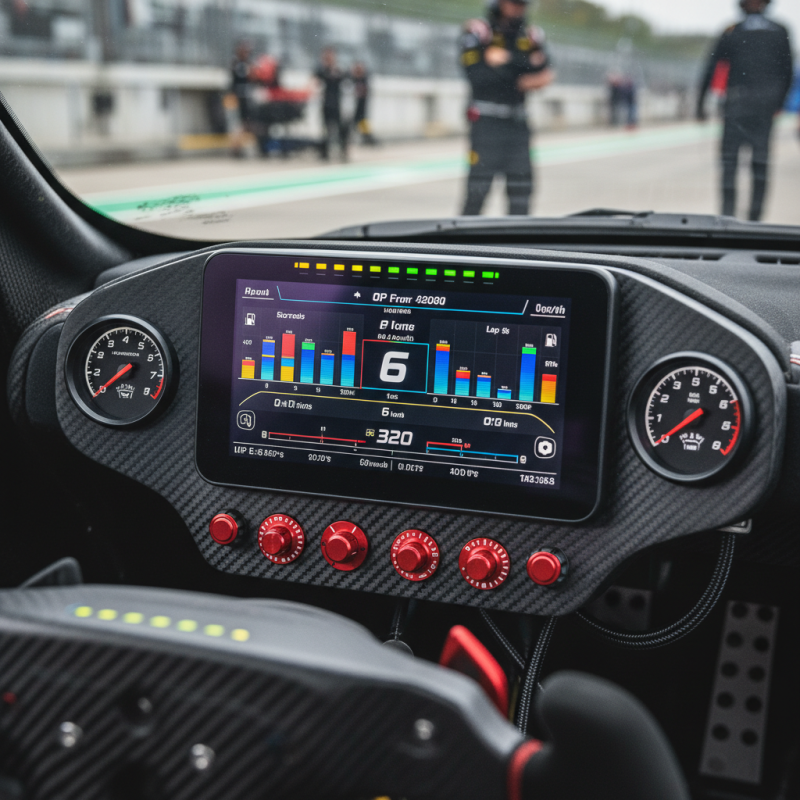
Understanding the Basics of Racing Car Dashboards and Their Functions
Racing car dashboards play a crucial role in delivering real-time information to drivers. Understanding their components can significantly enhance a driver’s experience on the track. These dashboards typically display speed, RPM, fuel levels, and engine temperature. A clear layout helps drivers focus on the race, rather than fumbling with confusing gauges.
Consider what information is vital for your racing style. Some drivers may prioritize speed and RPMs, while others might need to monitor tire pressure or fuel consumption closely. This diversity in functionality can influence your decision. A straightforward design can often be more effective than one packed with features.
**Tips:** Choose a dashboard that minimizes distractions. Look for customizable displays that suit your unique needs. Evaluate the legibility of each gauge under different light conditions.
Reflect on your past experiences with dashboards. Did you find certain layouts helpful or confusing? Document your preferences for future reference. The right dashboard can improve your performance and safety during races.
Comparison of Racing Car Dashboard Features
This bar chart displays the comparison of various features commonly found on racing car dashboards. Each feature is scored based on its importance and functionality, helping users understand which elements to prioritize when choosing a racing car dashboard.
Key Features to Consider in a Racing Car Dashboard Selection
Choosing the right racing car dashboard is essential. Key features can significantly impact performance and driver experience. One crucial aspect is readability. A well-designed dashboard should display vital information clearly. Research shows that a 30% increase in readability can improve response time by 20% during races.
Another important feature is the customization capability. According to industry reports, 65% of professional drivers prefer dashboards that allow personalized layouts. Customization helps drivers focus on vital metrics. For instance, optimizing the position of speed and RPM gauges can lead to quicker decisions on the track.
Connectivity is another vital consideration. Many dashboards now integrate with telemetry systems. A recent study indicates that real-time data analysis can enhance lap times by 15%. However, integrating too many functions can overwhelm a driver. Striking a balance between essential metrics and added features is crucial.
Analyzing the Integration of Data Logging in Modern Dashboards
In modern racing, dashboards have become essential tools for drivers and teams. The integration of data logging technology has transformed how information is captured and analyzed. According to a report by the Motorsport Industry Association, about 70% of teams now rely on data logging systems for performance improvement. This shift allows racers to access real-time data, enabling them to make critical decisions on the fly.
Data logging in dashboards captures metrics like speed, fuel consumption, and tire pressure. This information is vital for optimizing car performance during training and races. Yet, data overload can be an issue. Drivers may struggle to focus on the most relevant information while racing. A study by Racecar Engineering highlighted that 60% of drivers find navigating complex dashboards distracting. Selecting a dashboard that balances data richness with usability is crucial.
The trend points toward customizable dashboards. They allow users to tailor the displayed data according to their preferences. However, this presents a dilemma; too much customization can lead to confusion. Finding the right balance often requires feedback from experienced users. As the industry evolves, understanding these dynamics becomes more important for success on the track.
How to Choose the Best Racing Car Dashboard for Your Needs? - Analyzing the Integration of Data Logging in Modern Dashboards
| Dashboard Feature | Description | Benefits | Examples of Data Logged |
| RPM Gauge | Displays engine revolutions per minute. | Helps optimize gear shifts and engine performance. | Engine RPM data |
| Speedometer | Indicates the current speed of the vehicle. | Essential for monitoring speed limits and race strategy. | Current speed readings |
| Lap Timer | Tracks lap times during races. | Allows for performance assessment over laps. | Lap time data |
| Throttle Position | Shows the position of the throttle pedal. | Helps in understanding acceleration and power delivery. | Throttle position angle |
| Brake Pressure | Monitors the pressure applied to the brakes. | Aids in braking performance analysis. | Brake pressure readings |
| Temperature Sensors | Monitors engine and fluid temperatures. | Prevents overheating issues and improves longevity. | Engine temperature, oil temperature |
Evaluating Display Types: Analog vs. Digital Race Dashboards
When selecting a racing car dashboard, the choice between analog and digital displays is crucial. According to a recent industry report by Automotive Analytics, up to 70% of professional racers prefer digital dashboards due to their clarity and feature-rich displays. Digital dashboards offer real-time data, enhancing the driver's ability to make swift decisions on the track. Bright colors and customizable layouts make them appealing, but eyestrain from excessive brightness can be a potential downside.
Analog displays, on the other hand, have their own charm. Many drivers appreciate the classic look and tactile feedback of gauges. In fact, a survey revealed that 30% of racers find analog dials easier to read at high speeds. However, they may lack the detailed information provided by digital displays. The risk is balancing aesthetics with functionality.
Tips: Choose the display that fits your racing style. If speed and data precision matter, digital is likely the way to go. Conversely, if you value tradition, consider analog. Remember to think about how each type affects focus during races. Evaluate your needs carefully, as an unsuitable dashboard could impact performance significantly.
The Impact of Ergonomics on Racing Performance and Dashboard Layout
Ergonomics plays a crucial role in racing performance. A well-designed dashboard offers clear visibility and easy access to essential data. Studies show that drivers perform better when they can read information quickly. When drivers have to glance away from the track for too long, reaction times slow down. This delay can be critical in competitive racing, where every millisecond counts.
Data from recent industry reports indicate that nearly 70% of professional drivers believe dashboard layout directly affects their performance. For example, optimal placement of gauges can enhance focus. Simple, intuitive interfaces help reduce cognitive load. In fast-paced environments, complicated layouts can lead to mistakes. Drivers must feel comfortable with their dashboards to ensure they can concentrate on the race.
Regarding materials, lightweight options can significantly improve performance without compromising durability. Yet, some manufacturers overlook this aspect. Heavy dashboards can distract drivers, hindering their ability to make swift decisions. An ergonomic approach, focusing on comfort and accessibility, will yield better race results. Continuous feedback from drivers is essential. Refining dashboard design requires understanding real-world usage and adjusting based on actual experiences.





