How to Choose the Best PVC True Union Ball Valve for Your Needs?
Selecting the right PVC True Union Ball Valve is crucial for various applications. These valves are renowned for their reliability and ease of maintenance. According to a report by the Fluid Control Association, the global market for ball valves is projected to reach $12 billion by 2025, indicating growing demand. “A well-chosen PVC True Union Ball Valve can streamline your system's efficiency," says Dr. James Harrington, a leading expert in fluid dynamics.
When choosing a valve, consider factors such as size, pressure rating, and connection type. Valves must endure diverse conditions. The right selection maximizes performance and minimizes risks. Despite their advantages, many buyers overlook critical features. This oversight can lead to costly repairs and inefficiencies.
A common misconception is that all PVC True Union Ball Valves are the same. In reality, quality varies significantly. “Investing in a reliable valve saves trouble down the line,” Dr. Harrington adds. When making a decision, thoroughly evaluate your options. Understanding your specific needs is key. A more informed choice leads to better outcomes.
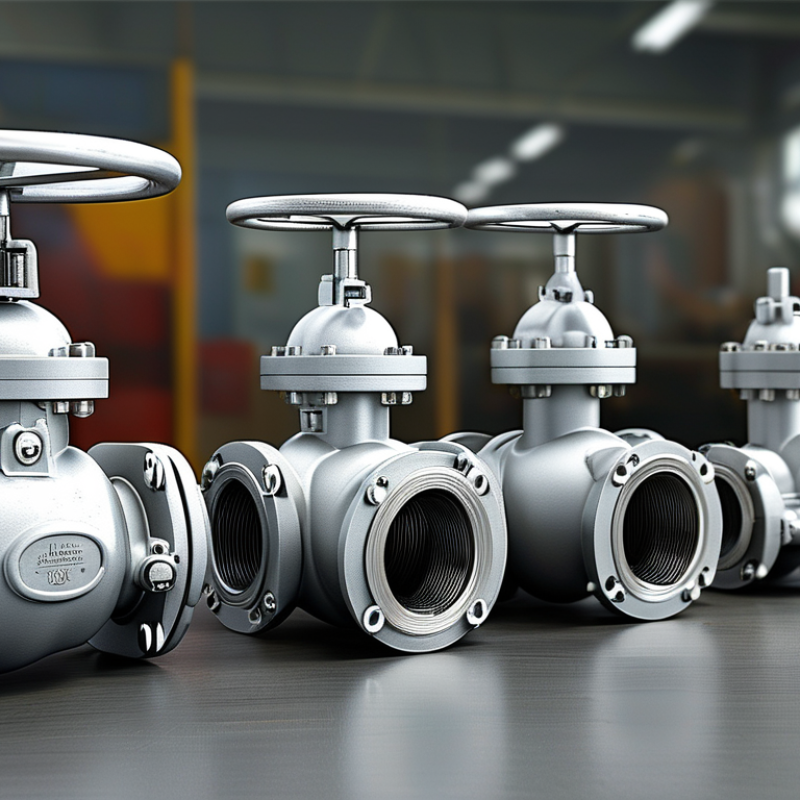
Factors to Consider When Choosing PVC True Union Ball Valves
When selecting a PVC true union ball valve, various factors come into play. It's essential to consider the valve size. A proper fit is crucial for preventing leaks. Measure your piping accurately, as incorrect dimensions can lead to complications. The valve's connection type matters too; ensure compatibility with your existing systems.
Material quality is another critical aspect. Opt for PVC that can withstand the chemicals or fluids in your application. Check for certifications and test reports. This can provide assurance of durability and performance. The valve's pressure rating should fit the specific requirements of your project as well.
**Tips:** Always evaluate the installation space. Too tight spaces can hinder operation. Also, check for ease of maintenance. Valves with easy access can save time and effort down the line. Don't overlook the importance of reading reviews. User experiences can reveal potential issues not covered in specifications. While researching, stay mindful of potential biases. It's best to look for unbiased sources.
Understanding the Different Sizes and Specifications of Ball Valves
When selecting a PVC true union ball valve, size and specifications play a crucial role. Various projects require different dimensions and pressure ratings. Industry reports indicate that ball valves commonly range from 1/4 inch to 12 inches in diameter. This range makes them suitable for various applications, including water treatment and industrial processes.
Understanding your system's pressure requirements is also vital. The American Society of Mechanical Engineers (ASME) provides guidelines for pressure ratings. Generally, PVC ball valves can manage pressures up to 150 PSI. However, exceeding these limits can lead to valve failure, which can be detrimental. Monitoring your system's needs carefully can prevent costly repairs and replacements.
Choosing the right valve involves careful consideration of both size and specifications. Sometimes users make assumptions based on previous experiences. This can lead to installing valves that do not fit properly or cannot handle specific conditions. Comparing the specifications of multiple products is necessary to ensure a compatible choice. Moreover, consulting with professionals often illuminates aspects that self-research may overlook.
Material Compatibility: Ensuring PVC Suitability for Your Application
When selecting a PVC true union ball valve, material compatibility is crucial. PVC offers resistance to various chemicals, making it popular across industries. The latest industry reports indicate that PVC can handle temperatures up to 140°F (60°C) effectively. However, its suitability greatly depends on the specific fluids being transported.
For applications involving harsh chemicals, testing compatibility is essential. PVC can degrade when exposed to certain solvents or oils. For instance, hydrocarbons can lead to swelling or cracking. Such degradation can compromise system integrity, leading to leaks or failures. According to the Chemical Resistance Guide, it's vital to evaluate fluid characteristics before making a decision.
In some instances, users may overlook long-term exposure. Regular assessments are necessary to avoid unexpected issues. Even a minor oversight can lead to serious consequences, such as system downtime. Educating yourself about fluid interactions improves safety and efficiency. Reflecting on past experiences can reveal that choosing the right materials is complex.
Ensure you have a comprehensive understanding of all factors before finalizing your choice.
The Role of Pressure Ratings in Selecting Ball Valves
When selecting a PVC true union ball valve, pressure ratings play a crucial role. Pressure ratings indicate the valve's ability to handle various pressures during operation. Understanding these ratings can prevent significant issues, like leaks or valve failure. A valve with a suitable pressure rating ensures safety and durability in your application.
Considering the specific requirements of your system is essential. Different environments and materials can affect pressure ratings. For instance, high-temperature applications may require valves with a higher pressure tolerance. It is vital to consult technical specifications and match them with your system's needs. Inadequate information can lead to costly mistakes.
Many users overlook the importance of these ratings. Some may choose valves based solely on price or appearance. This approach can lead to insufficient performance and unexpected maintenance costs. Taking the time to analyze pressure ratings fosters better long-term solutions. Assessing your operational environment and understanding your system's demands can guide you towards the right choice.
Maintenance and Lifespan: Evaluating Quality Standards in Ball Valves
When evaluating the maintenance and lifespan of PVC true union ball valves, quality standards play a pivotal role. According to industry reports, high-quality valves can last up to 25 years with proper care. Regular maintenance is essential to achieve a longer lifespan. This maintenance involves periodic inspections for leaks, wear, and proper operation.
Tip: Always check for visible cracks or signs of wear in the ball valve. This can prevent unexpected failures.
In addition to regular inspections, it's crucial to use the right installation techniques. Misalignment during installation can lead to premature wear. A survey from the Valve Manufacturers Association indicated that over 30% of valve failures are due to improper installation. Selecting valves that meet established quality standards helps ensure reliability.
Tip: Look for valves that are certified by industry standards. This can be a strong indicator of quality and durability.
Choosing the right materials is also vital. Different PVC formulations can affect performance, especially under varying temperatures and pressures. The American Society for Testing and Materials (ASTM) provides guidelines but compliance is not universal. Always check if the valve meets the appropriate ASTM standards for your application.
Maintenance and Lifespan Comparison of PVC True Union Ball Valves





