How to Choose the Best Pump Dampener for Your Needs?
Choosing the right pump dampener can significantly impact your system performance. A pump dampener serves to reduce vibrations and stabilize pressure, ensuring a smoother operation. But with numerous options available, selecting the best one can be challenging.
Understanding your needs is vital. Consider factors like system type, pressure range, and vibration levels. Each requirement can steer you toward a specific pump dampener that fits your application. Some choices may seem perfect at first but lead to complications when in use. Review your options carefully to avoid costly mistakes.
Consulting with experts can enhance your decision-making. Their insights often highlight nuances that one might overlook. Look for reliable sources or manufacturers with a track record in pump technology. Gathering this knowledge will empower you to choose a pump dampener that meets your specific requirements while boosting your system's efficiency.
Understanding Pump Dampeners and Their Importance in Fluid Systems
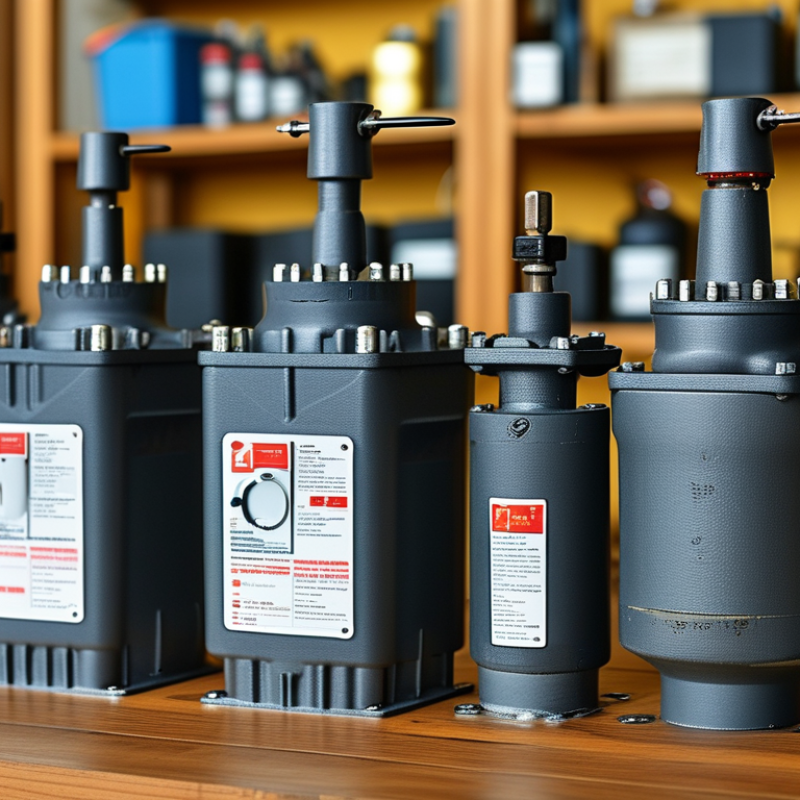
Pump dampeners play a crucial role in fluid systems, often overlooked yet vital for optimal performance. A pump dampener minimizes pressure fluctuations, which can cause wear and tear on equipment. These fluctuations can lead to cavitation, noise, and even system failures. By providing a buffer, dampeners maintain a steady flow, protecting both pumps and pipes in the process.
Selecting the right dampener requires understanding your system's specifics. Factors like fluid type, temperature range, and flow rate matter significantly. A poorly chosen dampener can do more harm than good. It may not absorb vibrations effectively, leading to potential leaks or mechanical damage. Evaluating your needs thoroughly can help avoid these pitfalls. Clear goals and performance standards should guide your decision-making process, fostering a reliable setup.
In practical scenarios, you may find that some systems respond well to dampeners, while others do not. Experience is a valuable teacher. It reveals the nuances of how different components interact together in a fluid system. Sometimes, it involves trial and error to find the optimal solution. Regular maintenance and testing can help ensure that the chosen dampener continues to perform effectively over time.
Types of Pump Dampeners: Selecting Based on Design and Functionality
Choosing a pump dampener requires understanding various designs and their functionalities. Common pump dampeners include bladder types, diaphragm types, and piston-based models. Each type plays a crucial role in mitigating pressure fluctuations and vibrations. According to industry reports, proper dampener selection can reduce wear and enhance pump efficiency by up to 30%.
When selecting a dampener, consider the specific application. A bladder dampener works well for liquids with high flow rates, while diaphragm types are suitable for corrosive fluids. Each design has unique benefits and limitations. Industry guidelines suggest that user experience is vital in making informed decisions.
Tip: Assess the fluid characteristics before choosing a dampener. Analyze pressure requirements and temperature ranges. Engaging with technical literature may provide insights into performance expectations. Remember, an incorrect choice could lead to operational inefficiencies. Pay attention to installation guidelines; improper setup can cause additional strain or malfunction.
Key Factors Affecting Pump Dampener Performance and Efficiency
Choosing the right pump dampener involves understanding key factors that influence its performance and efficiency. One crucial element is the material composition. Studies indicate that high-quality elastomers can enhance the dampener's ability to absorb vibrations, thus reducing noise levels. Typically, vibratory dampeners composed of nitrile or EPDM rubber demonstrate superior elasticity and longevity.
Another important consideration is the size and installation. A mismatched dampener can lead to inefficient operation. Reports show that an incorrectly sized dampener could increase vibration levels by 30%, causing potential damage to your pump system. Proper installation is essential, as it ensures optimal contact with the pump. A thorough assessment of the pump's specific needs can minimize these issues, yet many overlook this step.
Temperature variations also impact performance. For example, a dampener rated for high temperatures may degrade quicker if exposed to extreme thermal cycles. Additionally, understanding the fluid medium is vital. Certain chemicals can erode materials, compromising the dampener's function. Users often fail to realize the long-term effects of environmental factors on dampener efficiency. A careful analysis can help prevent unexpected failures.
How to Choose the Best Pump Dampener for Your Needs?
| Factor | Description | Impact on Performance | Recommended Range |
| Material | The material used in the dampener affects its durability and compatibility with the pumped fluid. | High resistance to chemical corrosion improves lifespan. | Nitrile, EPDM |
| Size | The size of the dampener must match the pump specifications for optimal performance. | Improper size can lead to reduced efficiency and increased wear. | Match to pump model specifications |
| Pressure Rating | The maximum pressure the dampener can withstand without failing. | Higher ratings enable use in high-pressure applications. | 50 psi to 300 psi |
| Temperature Resistance | The capacity of the dampener to withstand varying temperatures. | Affects material integrity and operation efficiency. | -30°C to 100°C |
| Dampening Characteristics | Effective damping reduces vibration levels and protects equipment. | Improved longevity of pump and connected systems. | Custom designs tailored to pump requirements |
Industry Standards and Guidelines for Choosing Pump Dampeners
When choosing a pump dampener, it’s essential to consider industry standards. These standards provide guidelines for selecting the right dampener for different applications. For example, attention should be given to the pressure ratings and temperature limits. Consult relevant guidelines to ensure safety and efficiency.
Vibration control is another critical factor. A dampener should effectively reduce vibrations within the system. This is crucial in preventing premature wear. Analyzing the specific operating conditions will help in maintaining optimal performance. However, precise calculations often bring uncertainty. Users may overlook the impact of system dynamics on dampener selection.
Material compatibility is vital, too. The dampener must withstand the fluids it will encounter. Corrosion resistance is key for longevity. Don’t ignore the potential for chemical reactions. Regular assessment of the chosen dampener’s condition is advisable. This proactive approach fosters reliability in pump operations. Make certain to continuously educate yourself on evolving industry standards.
Cost-Benefit Analysis: Investing in the Right Pump Dampener for Longevity
When considering a pump dampener, a cost-benefit analysis is essential. This process helps in choosing the best option without overspending. Investing in a quality dampener can enhance the longevity of your pump system. A well-designed dampener reduces vibrations and prevents wear and tear. This means fewer repairs and replacements, saving money in the long run.
However, not all dampeners are the same. Some may seem more affordable but could lead to higher costs later. Analyzing the materials used can provide insight into durability. Cheaper materials may degrade quickly under pressure. Do your research on different types of dampeners. Consider the application and operating conditions. The right choice can lead to significant savings.
Take time to assess your unique needs. What works for one system may not suit another. It’s important to evaluate both initial costs and long-term benefits. A good dampener is an investment in future reliability. If you choose incorrectly, you may face unexpected issues. Reflect on your requirements carefully before making a decision.





