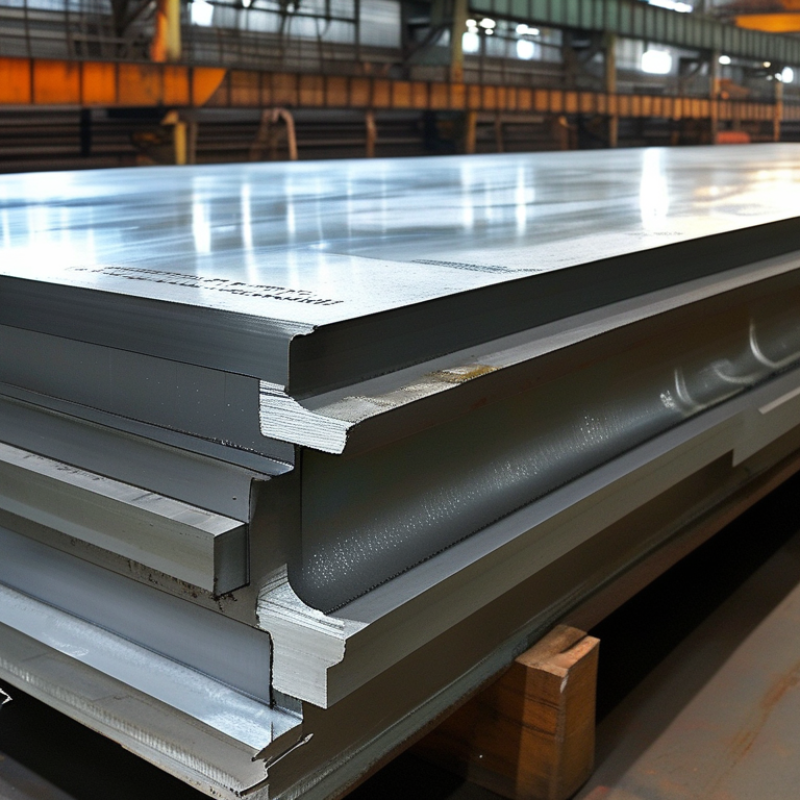
How to Choose the Best Molybdenum Plate for Your Needs?
Selecting the right Molybdenum Plate is crucial for industrial applications. According to a recent report from the International Molybdenum Association, the demand for molybdenum products is projected to rise by 5% annually. This increase highlights the need for quality materials that meet specific requirements.
Dr. John Smith, a noted expert in metallurgy, states, “Choosing the right Molybdenum Plate can greatly affect performance in high-temperature environments.” This emphasizes the importance of understanding the features and specifications of molybdenum plates.
Factors like thickness, purity, and mechanical properties matter significantly. A Molybdenum Plate must align with the specific conditions of its intended application. A thorough comparison of options ensures the best selection for safety and efficiency.
Factors to Consider When Selecting Molybdenum Plate Thickness
When selecting the optimal molybdenum plate thickness, it's essential to consider specific performance characteristics and application needs. Industry reports indicate that most applications utilize plates ranging from 0.5 mm to 20 mm in thickness. Thinner plates may provide improved thermal conductivity, while thicker plates can offer greater durability and resistance to wear. For high-temperature environments, a thickness of 10 mm or more is often preferable.
It's crucial to think about the operating environment. Molybdenum plates are known for their stability at high temperatures, but their thickness can affect their thermal expansion. Reports show that even a small variation in thickness can result in substantial differences in thermal management. Choosing the right thickness is also linked to fabrication processes; thicker plates may require more advanced machining techniques.
Consider these aspects during your selection process: the specific application, required strength, and any potential thermal conditions. Reflecting on past mistakes during selection can help refine future choices. Misjudging thickness can lead to unexpected failures and costly setbacks. Always consult material property charts and engineering guidelines to ensure the optimal fit for your project. Being meticulous in assessing your applications can save time and resources in the long run.
The Role of Purity Levels in Molybdenum Plate Performance
When selecting a molybdenum plate, purity levels significantly affect its performance in various applications. High-purity molybdenum typically leads to improved mechanical properties and resistance to corrosion. For critical applications, such as aerospace or nuclear fields, a purity level above 99.95% is often essential. Impurities can adversely impact both the thermal and electrical conductivity of the material, making it vital to prioritize purity in your choice.
Tips for determining the required purity level include assessing the specific applications and performance criteria. For less demanding tasks, lower purity levels may suffice. However, always consider the potential for wear and corrosion. If using molybdenum plates in high-temperature environments, higher purity is recommended. This ensures reliable results over prolonged use.
Experimentation might also reveal unexpected issues. A lower-purity plate could compromise functionality, highlighting the importance of rigorous testing. Check documentation from suppliers and be wary of misrepresentations regarding purity. It's crucial to maintain a critical eye and verify claimed purity levels, as this directly influences the material's performance.
Comparing Molybdenum Plate Grades for Specific Applications
Choosing the right molybdenum plate necessitates a deep understanding of its various grades and their applications. Molybdenum, a high-strength metal with a melting point of 2623°C, is commonly used in high-temperature environments. In aerospace, for instance, the use of MOLYBDENUM 97, which offers enhanced ductility and tensile strength, is preferred for components exposed to extreme conditions. Reports indicate that molybdenum plates holding a purity level of over 99.95% yield the best performance in such demanding applications.
Consider circumstances when the grade choice can lead to critical failures. Molybdenum 99.95 is excellent for electronics due to its conductivity but may not withstand high thermal stress. In contrast, Molybdenum TZM, which contains titanium and zirconium, demonstrates superior creep resistance, making it suitable for tooling in precision manufacturing. Selecting a grade based solely on cost may seem tempting, yet this approach overlooks essential performance factors. Understanding the application requirements is crucial to avoid costly failures down the road. Each grade has its unique characteristics and potential drawbacks that deserve careful evaluation.
Comparison of Molybdenum Plate Grades for Different Applications
Understanding the Importance of Milling and Surface Finish Standards
When selecting a molybdenum plate, understanding the milling and surface finish standards is crucial. Quality finishes impact the performance of components in demanding environments. According to industry reports, a surface roughness average (Ra) of 0.8 µm is often recommended for precision applications. This threshold ensures optimal material performance under stress, enhancing durability and longevity.
The importance of milling techniques cannot be overstated. Advanced machining processes can achieve tighter tolerances and improved surface finishes. Reports indicate that improper milling can lead to stress concentrations, resulting in premature failure. This reflects the need for skilled machinists who understand the nuances of molybdenum metallurgy.
Finishing standards vary across applications, necessitating a tailored approach. Some industries may prioritize aesthetic finishes, while others focus on functional attributes. Recognizing these priorities is essential. The continuous evolution of surface treatment technologies demands ongoing education and adaptation for manufacturers to meet client specifications effectively. Understanding these factors ultimately leads to better decision-making when choosing a molybdenum plate.
How to Choose the Best Molybdenum Plate for Your Needs? - Understanding the Importance of Milling and Surface Finish Standards
| Dimension (mm) | Thickness (mm) | Surface Finish Standards | Milling Tolerance (mm) | Application |
| 100 x 100 | 5 | Ra 0.2 | ±0.05 | Aerospace |
| 200 x 200 | 10 | Ra 0.4 | ±0.1 | Industrial |
| 150 x 150 | 8 | Ra 0.3 | ±0.07 | Medical Devices |
| 300 x 300 | 15 | Ra 0.5 | ±0.15 | Electronics |
Evaluating Cost vs. Performance in Molybdenum Plate Procurement
When evaluating cost versus performance in molybdenum plate procurement, understanding the specific needs of your project is crucial. Molybdenum plates come in various grades, each suited for different applications. The higher the performance requirements, the more you might need to invest. However, this does not always mean you should opt for the most expensive options.
Consider the thickness and size of the molybdenum plate you require. Thinner plates may be less expensive but could compromise structural integrity. Additionally, analyze the environment in which the material will operate. High temperatures or corrosive substances can affect your choice. You want to find a balance between durability and cost-effectiveness.
When making a decision, ask yourself if the performance upgrade justifies the price hike. Past experiences can guide you, but be cautious. All suppliers offer unique attributes. Research thoroughly on their reliability and customer feedback. It can save you from costly mistakes.
One way to maximize your investment is by ordering in bulk. This can often lead to better pricing, but ensure it aligns with your needs. Another aspect to consider is the supplier's warranty and support services. A good warranty can provide peace of mind with your purchase. An informed choice blends cost efficiency with performance durability.