How to Choose the Best Interlock Machine for Your Needs?
Choosing the best interlock machine involves understanding your specific needs and available options. With many styles and features on the market, making a decision can be overwhelming. This guide aims to simplify that process.
Interlock machines are essential tools in fashion and garment manufacturing. They provide versatility for a range of fabrics, from lightweight knits to thicker materials. However, not all machines will meet your needs. Consider your production volume, the types of fabric you use, and the range of stitches required. It’s also important to recognize that investing in quality can have long-term benefits.
Unfortunately, many buyers overlook crucial aspects when selecting their interlock machine. They often choose based on price alone, which can lead to regret later. A machine that seems economical may lack durability or features essential for your projects. Take time to evaluate different options and reflect on the requirements specific to your work. A well-chosen interlock machine will enhance your efficiency and quality.
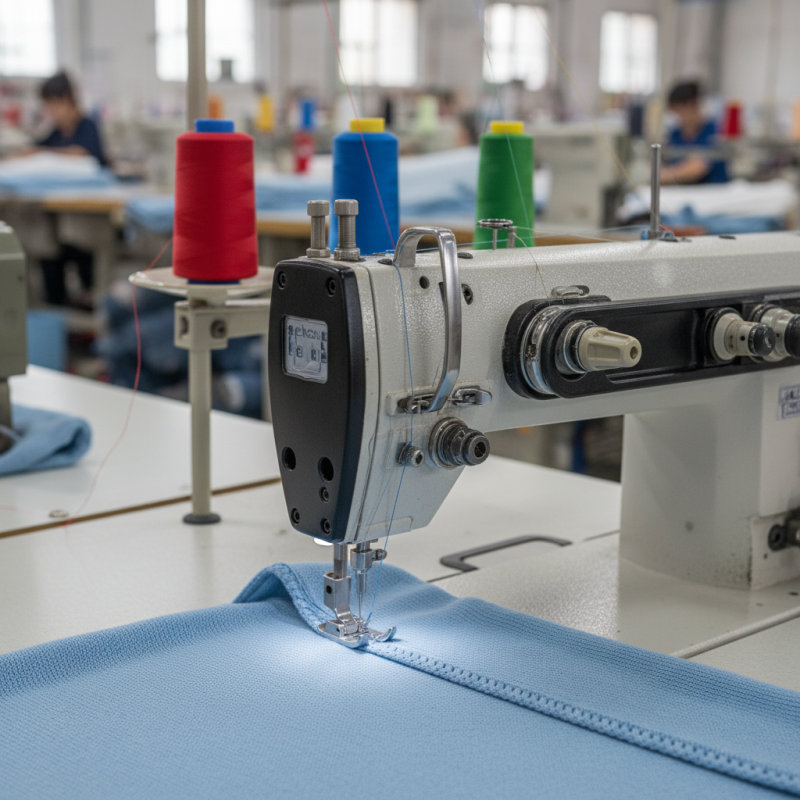
How Interlock Machines Work: Understanding the Technology Behind Them
Interlock machines are essential in the textile and garment industry. Understanding how they work can significantly enhance your decision-making. These machines create a seamless fabric finish using multiple threads. They use a lock stitch technique, which produces strong, durable seams. This is crucial for stretchable fabrics like knits.
The basic principle involves using a double-needle system. One needle forms the top stitch, while the other works on the under side. This prevents unraveling and enhances fabric resilience. Adjustments in thread tension or needle size can yield different outcomes. Experimenting with these parameters often leads to better results. However, not all settings will suit every project.
Choosing the right interlock machine requires examining features like stitch types and feed options. Some machines offer additional attachments for varied applications. Assessing your specific needs is vital. Think about the fabrics you will most often use. Consider the learning curve as well; some machines are more complex. This reflection is key to making an informed decision.
Key Features to Consider When Selecting an Interlock Machine
Choosing the right interlock machine is crucial for achieving the best output. Several key features determine its functionality and efficiency. First, consider the stitch quality it offers. A machine with precise stitch control ensures your seams are durable and neat. Look for options that provide adjustable tension. This adaptability can significantly affect the fabric result.
Next, evaluate the machine's ease of use. A user-friendly interface will save time. If the machine has a clear display and intuitive controls, it’s easier to operate, especially for beginners. Durability is another consideration. The material of the machine's body and components contributes to its longevity. Machines made from metal often last longer than those with plastic parts.
Lastly, think about maintenance requirements. Some machines are easier to clean and service than others. Regular upkeep can prevent costly repairs. While features are essential, reflect on your specific needs. This helps in selecting a machine that balances functionality and simplicity. Not all high-tech features may be necessary for your projects. It's important to focus on what you truly need.
Comparing Interlock Machine Brands: A Data-Driven Approach
When choosing an interlock machine, brand comparison is crucial. Different brands offer varied features, performance, and durability. Data-driven analysis helps identify these differences. Gathering user reviews can shed light on reliability. Focus on metrics like stitching quality and ease of use. These factors greatly impact your sewing experience.
In the competitive sewing market, each brand markets itself differently. Sometimes, flashy advertisements mask fundamental issues. Look beyond the marketing to understand each machine's real-world performance. Consider longevity and compatibility with various fabrics. A machine may seem great on paper but fall short in practice.
User feedback often uncovers hidden problems. Some brands have inconsistent quality control. Check forums and social media for honest reviews. However, remember that individual experiences can vary widely. This reflection is essential when making your decision. Relying solely on one source may lead to regrets later.
Interlock Machine Comparison: Performance Metrics
Maintenance and Durability: Ensuring Longevity of Your Interlock Machine
When investing in an interlock machine, maintenance and durability should be priorities. A reliable machine can last over a decade with proper care. According to industry reports, regular maintenance can increase the lifespan of these machines by up to 30%. Neglecting routine checks can lead to unexpected breakdowns and costly repairs.
Routine cleaning is crucial for lasting performance. Ensure all moving parts are lubricated and free from debris. This simple act can prevent wear and tear. Industry data suggests that 80% of machine failures can be traced back to inadequate maintenance practices.
Consider environmental factors as well. Humidity and temperature can affect machine components. If your workspace is prone to extreme conditions, invest in climate control. This can significantly enhance durability. Always consult manufacturer guidelines for specific maintenance schedules. Keeping a detailed log of maintenance activities can help identify recurring issues. This reflection can aid in making informed decisions about potential upgrades or replacements in the future.
Cost Analysis: Budgeting for Your Ideal Interlock Machine
When budgeting for an interlock machine, it's crucial to consider multiple factors. A report by Market Research Future indicates that the demand for interlock machines is expected to grow by 7% annually. This figure reflects the increasing reliance on automated solutions. Therefore, a precise budget will help you secure the best machine for your needs.
The typical price range for interlock machines varies significantly, often falling between $2,000 and $10,000. Cheaper options might compromise on quality. Investing more upfront can lead to better performance and lower maintenance costs. According to a survey by Statista, 72% of companies experienced lower operational costs after upgrading to reliable equipment.
In addition, hidden costs can arise. Training your staff to operate the machine may require additional funds. Ongoing expenses like maintenance, software updates, and potential downtime should also be factored in. A thorough, realistic assessment will aid in making informed choices, ensuring your investment aligns with long-term operational goals.





