How to Choose the Best Injection Molding Products for Your Needs?
Choosing the best injection molding products for your needs can be daunting. The injection molding industry is vast, with a reported market size of over $200 billion by 2025. As an essential manufacturing process, it is crucial to understand the nuances that differentiate high-quality products. "Selecting the right material is critical for product longevity and performance," says Dr. Emily Chang, a leading expert in injection molding technology.
Understanding the specific requirements of your project will enable you to make informed decisions. Different applications may require various resins and manufacturing methods. The type of injection molding product you choose can significantly affect your project’s cost and efficiency. Reports indicate that over 30% of production costs can stem from material selection alone. It's vital to analyze your needs carefully.
Mistakes in choosing injection molding products can lead to delays and increased expenses. These industry challenges highlight the importance of research and expert insight. While the quality of injection molding products can vary, strive for precision and reliability. Balancing cost-effectiveness and quality should always be a priority in your decision-making process.
Understanding Injection Molding: Basics and Applications
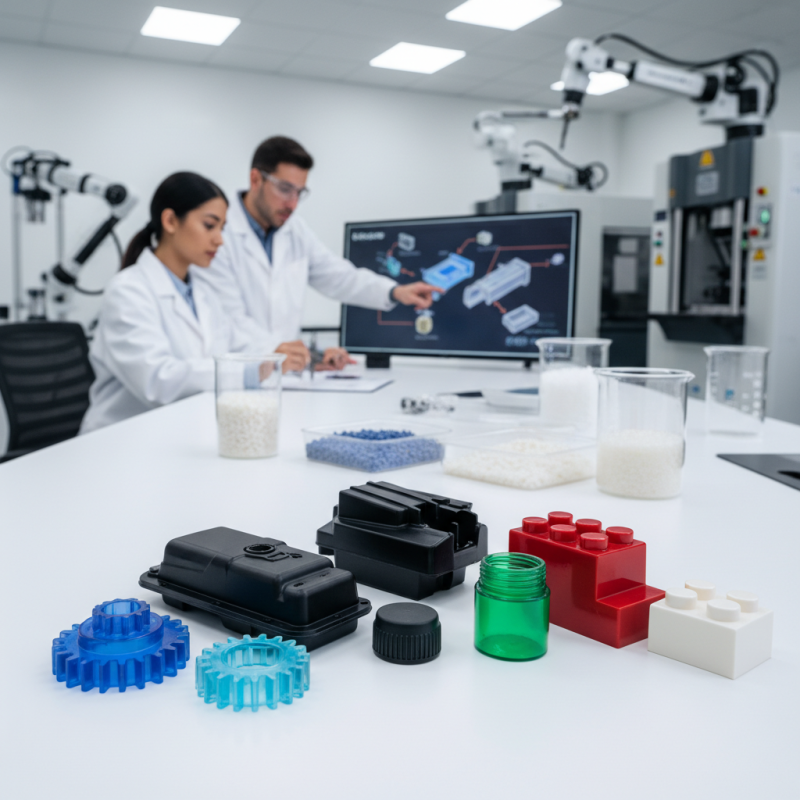
Injection molding is a crucial manufacturing process widely used across various industries. It involves injecting molten material into a mold to create precise shapes. This method's flexibility makes it ideal for producing complex designs with high accuracy and consistency. According to recent industry reports, the global injection molding market reached approximately $236 billion in 2023, driven by demand in automotive, consumer goods, and medical devices.
Understanding the basics of injection molding is essential for selecting the right products. The process can utilize various materials, including plastics, metals, and ceramics. This versatility allows manufacturers to tailor solutions for specific applications. For instance, plastics dominate the sector, due to their lightweight nature and cost-effectiveness. Recent data shows that thermoplastics and thermosetting plastics account for over 90% of the materials used in injection molding.
Choosing the best products often requires consideration of design complexity, material properties, and production volume. For example, high-volume production runs favor simple designs, while lower volumes may benefit from more intricate shapes. However, many companies struggle with the balance between cost and quality. Continuous improvement efforts are essential to refine processes, ensure reliability, and reduce waste. Therefore, understanding the foundational principles of injection molding is paramount for making informed decisions.
Injection Molding Products Demand by Industry
This bar chart illustrates the demand for injection molding products across various industries, highlighting the significance of these products in sectors such as automotive and electronics.
Identifying Your Product Requirements: Key Considerations
When selecting injection molding products, understanding your specific requirements is crucial. The type of plastic used can significantly affect the performance of the final product. According to the Plastic Industry Association, over 70% of molded parts must meet stringent regulatory standards. Knowing the regulations can help in making informed decisions.
Consider the intended application of your product. For instance, a durable part for an automotive application will need a different approach than a consumer product. Reports from the Society of Plastics Engineers show that nearly 60% of product failures stem from improper material selection. Evaluating factors like temperature resistance and chemical exposure is essential to prevent costly mistakes.
Budget is another critical factor. While cheaper materials might seem appealing, they may compromise quality. The American Society for Testing and Materials (ASTM) indicates that investing in high-quality materials can reduce the overall cost in the product lifecycle. Reflecting on the trade-offs between initial costs and long-term performance is vital.
Choosing the right injection molding process also impacts manufacturing efficiency. Balancing these elements requires careful consideration of various factors unique to your needs.
Evaluating Material Options for Injection Molding
When evaluating material options for injection molding, consider the specific requirements of your project. Different materials offer unique properties that affect performance and end-use applications. For example, thermoplastics are common due to their versatility. They can be molded into complex shapes and easily recycled. However, their strength may not meet all industrial needs.
Thermosetting plastics, on the other hand, have excellent durability and heat resistance. They are ideal for applications that demand long-lasting performance. Yet, they lack the flexibility of thermoplastics. This can be a limiting factor for some designs. Consider the operating environment too. High temperatures or chemical exposure might require specialized materials that can withstand harsh conditions.
Balancing cost, durability, and functionality is critical. Sometimes, the best choice may not align with the budget. Prototype testing can reveal unexpected challenges. It’s essential to explore multiple materials before settling on one. Engaging with industry experts can provide additional insights. Each material has its trade-offs, and understanding them is crucial for making informed decisions.
Analyzing the Production Process: Cost and Time Factors
When analyzing the production process of injection molding, cost and time are pivotal factors. According to a recent study by the Society of Plastics Engineers, the average cost of injection molded parts can range from $0.01 to $1.00 per part, depending on complexity. High-volume production can lower these costs significantly. However, the initial setup costs can be substantial, often exceeding thousands of dollars. This initial investment may deter some businesses but can yield substantial savings long-term.
Time factors also play a crucial role. A typical injection molding cycle time is between 15 to 100 seconds per part, depending on the design and material used. Rapid prototyping can reduce this time by utilizing advanced tools; however, it often requires a higher upfront investment. Companies need to weigh the benefits of faster production times against increased costs. Delays in other processes can further complicate the schedule.
Quality control adds another layer to the process. A study indicated that defects can increase costs by up to 30% when considering scrap and rework. Therefore, investing in a robust quality assurance program may seem costly but is essential for maintaining competitive pricing. Efficiency in the production process can be achieved by addressing these areas of reflection, ensuring that cost and time do not compromise quality.
Choosing a Reliable Manufacturer: Tips and Best Practices
Choosing a reliable manufacturer for injection molding products can significantly impact your project's success. Quality and consistency are crucial. According to industry reports, about 35% of manufacturers struggle to meet customer specifications due to poor quality controls. This statistic highlights the need for thorough research.
When evaluating potential manufacturers, consider their certifications and experience. A company with ISO certifications demonstrates a commitment to quality. Experience matters too; a manufacturer with over a decade in the industry often has refined processes and robust quality checks. Additionally, engage with their previous clients to gather feedback. Many manufacturers may present glowing reports, but firsthand accounts can reveal hidden issues.
Transparency is another key factor. A good manufacturer provides insight into their production process. Look for those who willingly share data on production timelines and defect rates. Research indicates that transparent companies can reduce errors by up to 25%. Lastly, responsiveness is essential. Speedy communication often reflects a manufacturer's commitment to customer satisfaction. Finding a reliable partner in injection molding requires diligence. Avoid rushing this critical decision.





