How to Choose the Best Flying Saw Factory for Your Needs?
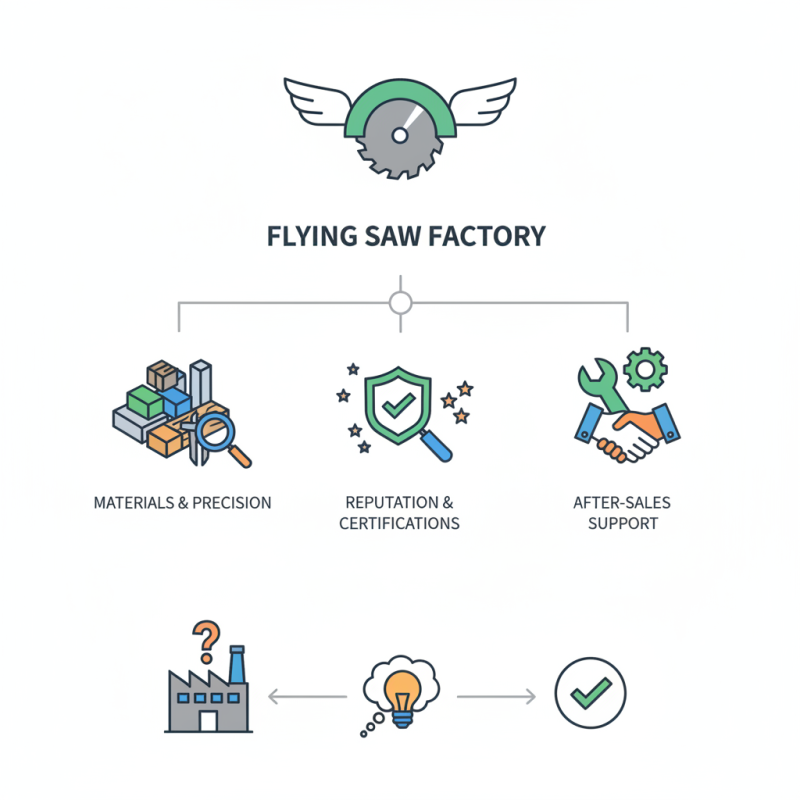
Selecting the right flying saw factory can significantly impact your production quality. Understanding your specific needs is essential. Consider the materials you will cut and the precision required. Each factory offers different technology and expertise.
Researching the reputation of a flying saw factory is crucial. Look for established companies with proven track records. Customer reviews and industry certifications can provide insight into their reliability. It’s wise to ask for samples before committing.
Think about after-sales support too. A good factory should provide technical assistance and maintenance options. Reflect on your long-term needs. Choosing seems simple, but many factors influence the decision. Take time to evaluate each option carefully.
Understanding the Different Types of Flying Saws Available in the Market
When searching for the right flying saw, it’s crucial to understand the various types available. Each type of flying saw serves specific purposes, which can greatly affect your operations. For instance, band saws are ideal for cutting thicker materials, while circular saws are better for faster, more precise cuts. Your choice will depend on your production needs and material types.
Consider also the precision required in your application. High-speed flying saws are perfect for projects demanding accuracy. These tools often operate at varying speeds, adapting to different materials and thicknesses. While it may seem beneficial to choose the fastest option, slower speeds can sometimes yield more accurate results.
Reflect on your production environment as well. Not all flying saws are suited for heavy-duty tasks. Some may struggle under continuous operation, leading to maintenance issues over time. Addressing these factors will guide your decision, ensuring that the flying saw you choose effectively meets your specific needs.
Key Factors to Consider When Evaluating Flying Saw Manufacturers
When evaluating flying saw manufacturers, several key factors can impact your decision. Research indicates that nearly 70% of manufacturers prioritize precision and reliability in their machines. Different industries might demand varying levels of accuracy. For example, the construction sector often requires saws that can achieve a tolerance of +/- 0.5 mm. Understanding your application will guide your choice.
Durability and maintenance are also critical. Industry reports show that up to 40% of downtimes are linked to equipment failure. Correct maintenance protocols can significantly reduce these incidents. Investigate the manufacturer's support system. Reliable suppliers often provide resources and access to technicians for troubleshooting.
Cost is another deciding factor. While initial price matters, long-term expenses can eclipse it. A high-quality saw might have a higher upfront cost but lower maintenance and operational costs. Analyze different proposals based on total cost of ownership. Weighing initial investment against potential savings is essential for sound decision-making. Consider seeking a second opinion before finalizing your choice. This approach can reveal unforeseen challenges or benefits that might otherwise go unnoticed.
Analyzing Production Capacity and Speed Specifications of Flying Saws
When selecting a flying saw factory, one crucial aspect to consider is production capacity. Understand the factory’s output capabilities. A factory that cannot meet your demands might lead to delays and increased costs. Ask about their daily production numbers and the types of materials they can handle. This information can help align your needs with the factory's offerings.
Speed specifications are equally important. A flying saw's speed influences how quickly you can process materials. Higher speed often leads to more efficient production, but it is essential to balance speed with accuracy. Inaccurate cuts can lead to wasted materials and higher costs. Evaluate how the factory ensures precision while maintaining competitive speeds.
Tip: Think about the long-term implications of your choice. A factory that adapts to technology advancements may provide better sustainability. It’s essential to ask for case studies or performance metrics. This helps gauge their reliability. Reflect on what you need most: capacity, speed, or perhaps advanced technology features. Each factor has its trade-offs, and understanding them will guide you to a more informed decision.
How to Choose the Best Flying Saw Factory for Your Needs? - Analyzing Production Capacity and Speed Specifications of Flying Saws
| Factory Location | Production Capacity (units/day) | Cutting Speed (m/min) | Power Consumption (kW) | Technical Support (hours/week) |
| North America | 200 | 150 | 20 | 40 |
| Europe | 180 | 140 | 18 | 35 |
| Asia | 250 | 160 | 25 | 50 |
| South America | 150 | 130 | 15 | 30 |
| Australia | 160 | 120 | 17 | 32 |
Evaluating the Quality Standards and Certifications of Flying Saw Factories
When selecting a flying saw factory, it is essential to assess the quality standards they uphold. Factories with internationally recognized certifications, such as ISO or CE, typically adhere to rigorous manufacturing processes. These certifications are a testament to their commitment to quality, safety, and environmental management. They signal a manufacturer's ability to consistently meet customer expectations and regulatory requirements.
Another key aspect is the factory's track record. An experienced factory has likely weathered market fluctuations and technological advancements, showcasing their resilience and adaptability. Quality control measures, such as regular inspections and testing, should be evident in their production practices. A reliable factory will often provide transparency on their quality assurance processes.
Lastly, consider the factory's feedback mechanism. Factories that actively seek customer input demonstrate a willingness to improve. This openness can enhance product quality over time. Yet, not all factories may have the means to implement changes swiftly. Reflecting on these elements can guide your choice effectively, ensuring you select a factory that meets your operational needs.
Comparing Cost-Effectiveness and Customer Support Services in Flying Saw Supply
When selecting a flying saw factory, assessing cost-effectiveness is critical. Price variations exist due to material quality, manufacturing processes, and design complexities. A factory that offers competitive pricing while maintaining quality will likely prove most beneficial. Compare multiple suppliers to find the best value. It's essential to ensure that lower costs don’t compromise quality and longevity.
Customer support services are equally important. Reliable support can make a significant difference after the purchase. Effective communication, timely responses, and knowledgeable representatives are key indicators of a factory's commitment. If customer service is poor, it can lead to frustrations and unresolved issues. Look for factories that provide comprehensive support, including training and maintenance assistance. It shows their dedication to client satisfaction.
Reflect on your specific needs before making a decision. Each factory may excel in different areas, so consider what matters most to your operations. Balance cost with quality and support. Striking this balance may involve challenging choices, but thorough evaluation is crucial for long-term success.
Comparison of Cost-Effectiveness and Customer Support Services in Flying Saw Supply