How to Choose the Best Fiberglass Mesh Machine for Your Needs?
Choosing the right fiberglass mesh machine can greatly impact your production quality. The market offers a variety of options, each with its own features. Understanding your specific needs is essential for making the best choice.
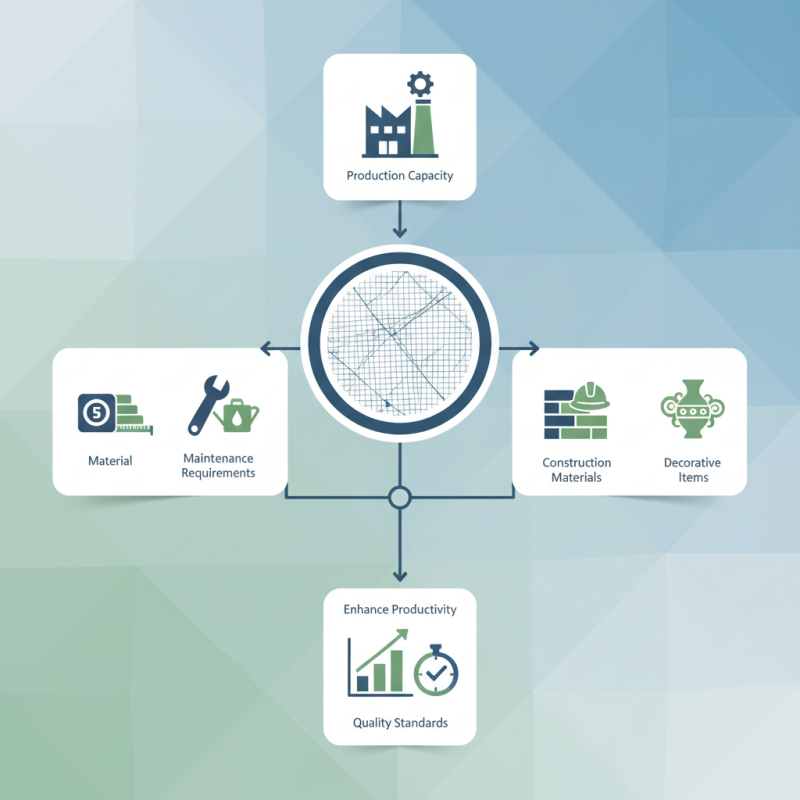
When evaluating machines, consider production capacity and material compatibility. Some machines may lack the necessary features for efficient operation. It’s also important to think about maintenance requirements. A machine that's hard to maintain can lead to delays and increased costs.
Reflect on the purpose of your fiberglass products. Are you creating construction materials or decorative items? The machine you select should align with your end goals. Ultimately, the right fiberglass mesh machine will enhance your productivity while meeting your quality standards.
Understanding the Basics of Fiberglass Mesh Machines
Fiberglass mesh machines are essential in producing strong and durable mesh products. These machines work by weaving fiberglass strands together, creating a material that is lightweight yet very resilient. Understanding how they function can help you make informed decisions. The basic components include the yarn feeder, weaving shuttle, and the take-up roller. Each part plays a crucial role in the overall production process.
Different machines cater to specific needs. For instance, some machines can produce fine mesh suitable for delicate applications, while others create thicker, heavier meshes. It's important to consider the desired end product. The production speed is another factor to ponder. High-speed machines are efficient but may require more maintenance. Slower machines could offer better quality but may lag in output.
Reflecting on the choice of a machine can be daunting. Mistakes can lead to excess costs or inadequate production. Think about your production volume and product specifications carefully. Each decision affects both efficiency and quality. If you're unclear, consulting with industry experts might provide valuable insights.
How to Choose the Best Fiberglass Mesh Machine for Your Needs?
| Feature | Description | Importance |
| Production Capacity | Amount of mesh produced per hour. | High |
| Product Size | Sizes of mesh that can be produced. | Medium |
| Machine Size | Physical dimensions of the machine. | Medium |
| Ease of Use | User-friendliness of controls and setup. | High |
| Maintenance Requirements | Frequency and difficulty of maintenance. | High |
| Energy Efficiency | Power consumption during operation. | Medium |
| Price | Cost of the machine. | High |
Key Factors to Consider When Choosing a Fiberglass Mesh Machine
When selecting a fiberglass mesh machine, several key factors are critical. Production capacity plays a significant role. Understanding your demand is essential. Reports indicate that companies with varying capacities can impact efficiency. For instance, manufacturers with machines that can produce up to 1,500 square meters an hour often lead to significant cost savings.
Another vital aspect is the machine’s stability. Machines that vibrate excessively can lead to inconsistent quality. The International Composites Association highlights that even minor inconsistencies can result in wastage of materials and increased production costs over time. Consequently, investing in a stable machine can enhance overall productivity.
Maintenance requirements should not be overlooked. Machines that require frequent repairs may hinder operations. Industry studies have shown that manufacturers spending more on upkeep often face delays and increase their operational costs by up to 15%. Identifying a machine that is both durable and reliable is imperative. Balancing these factors can lead to better long-term performance, yet many overlook them in pursuit of lower initial costs.
Different Types of Fiberglass Mesh Machines and Their Applications
When selecting a fiberglass mesh machine, understanding the various types available is essential. The most common types include circular looms, flat weaving machines, and warp knitting machines. Circular looms are known for their speed and efficiency, often producing mesh at a rate exceeding 100 meters per minute. This speed is crucial for large-scale production. Flat weaving machines offer versatility, suitable for creating different mesh sizes and patterns, though they may operate at slower speeds.
Furthermore, warp knitting machines are favored for their durability and strength. They produce high-quality meshes that find applications in construction, automotive, and aerospace industries. According to industry reports, the demand for fiberglass mesh is expected to grow by 6.5% annually, driven by developments in construction materials and increased infrastructure investment. However, buyers must evaluate specific needs and production capacities before purchasing.
It’s vital to reflect on the machine’s efficiency. Some machines may seem cost-effective but can have higher maintenance needs. This can lead to unexpected downtime. The intricacies of machine operation should not be overlooked, as they often require skilled personnel for optimal performance, affecting overall productivity.
Understanding the Types of Fiberglass Mesh Machines and Their Applications
Evaluating Machine Specifications and Features for Your Production Needs
When choosing a fiberglass mesh machine, it's essential to evaluate the specifications and features that suit your production needs. Start by assessing the machine’s capacity. Does it align with your regular output? A machine with higher productivity might seem ideal, but it may not be necessary for smaller operations.
Consider the type of mesh you want to produce. Different machines specialize in varying mesh sizes and patterns, which directly affects the quality of your final product. It's crucial to ensure the machine can handle the specific requirements of your projects. Pay attention to the materials used in the machine’s construction; durability is key.
Tips: Always read user reviews. They often highlight real-world problems. Analyze the maintenance requirements as well. A machine that seems perfect can become a burden if it’s hard to maintain. Ensure the spare parts are readily available. A small issue can lead to a significant production halt if you can't find replacements quickly. Take your time to explore options. Find a balance between features and your actual needs.
Budgeting for a Fiberglass Mesh Machine: Costs and Financing Options
When budgeting for a fiberglass mesh machine, understanding costs is essential. High-quality machines vary widely in price. Many factors impact the final cost, such as size, capacity, and features. You may find basic models starting under a thousand. However, more advanced options can reach several thousand. Assess your production needs carefully. Think about your production scale.
Financing options can also play a significant role. Some manufacturers offer payment plans, making it easier to manage your budget. Explore leasing options too. Leasing can lower initial costs, though total expenses might be higher over time. Be sure to read the terms carefully.
Reflect on the long-term value of your investment. A cheaper machine could lead to higher maintenance costs. Assess the quality and durability of the equipment against its price. Make sure it aligns with your production goals. It’s not just about the sticker price; think about the total cost of ownership. How often will you need repairs? Will your production require upgrades soon? These questions are critical for making a wise choice.