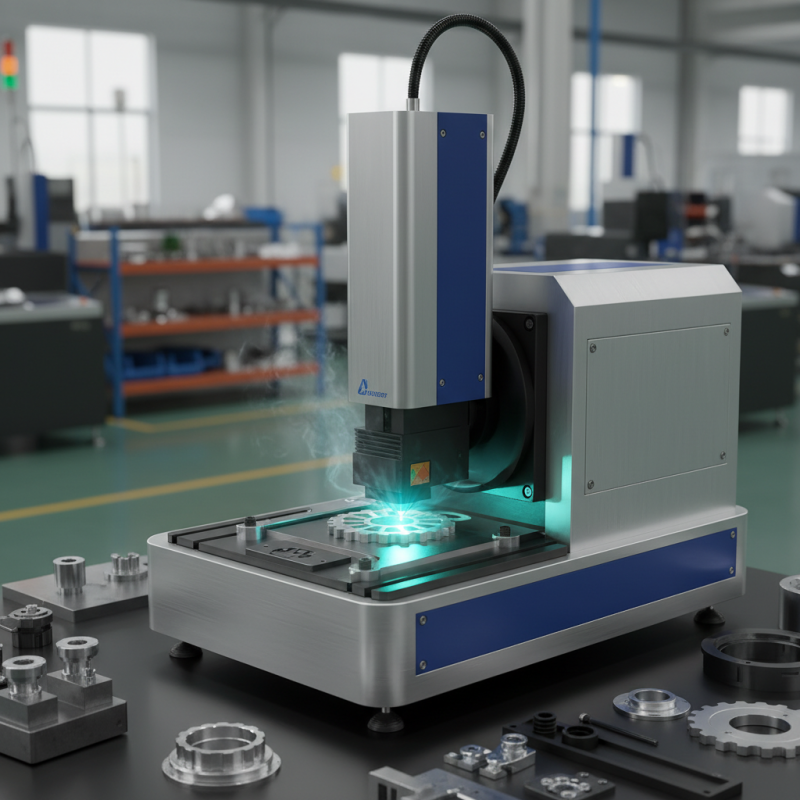
How to Choose the Best Fiber Laser Marking Machine for Your Business?
Choosing the right Fiber Laser Marking Machine can significantly impact your business's efficiency. With numerous options available, it’s crucial to understand what features matter most. This decision can seem overwhelming, especially with varying budgets and technological specifications.
A fiber laser marking machine enhances precision and speed in marking applications. However, not all machines are equal. Factors such as power, wavelength, and operational costs must be weighed carefully. Investing in a machine that suits your specific needs is vital for maximizing productivity.
Experience counts in selecting the best equipment. Consulting with experts can provide insights you might overlook. Explore user reviews and testimonials to gauge the reliability of different brands. A well-chosen fiber laser marking machine can yield high returns, but the wrong decision could lead to inefficiencies.
Understanding Fiber Laser Marking Technology and Its Applications
Fiber laser marking technology is transforming how industries mark and engrave products. This technology uses a high-powered laser beam to create permanent markings on various materials. Common applications include metal, plastic, and glass marking. According to a report by MarketsandMarkets, the global fiber laser marking machine market is projected to reach $1.69 billion by 2026, reflecting a growing demand in various sectors.
One of the key advantages of fiber laser marking is precision. The technology allows for fine detail in a variety of applications. For example, it is commonly used in electronics for labeling components. However, industries often face challenges with compatibility. Not all materials are suitable for fiber laser engraving, which can lead to unexpected results. Understanding material properties is crucial for success.
Moreover, fiber laser marking machines are known for their efficiency. They operate much faster than traditional marking methods, reducing production time. A study by Technavio indicates that productivity can increase by nearly 30% with fiber laser solutions. That said, not all businesses may realize these gains immediately. Adequate training and understanding of the laser settings are essential for optimal performance. Careful consideration of these factors can make a significant difference.
Key Factors to Consider When Selecting a Fiber Laser Marking Machine
Choosing the right fiber laser marking machine is critical for your business’s success. One of the key factors is the type of materials you will be marking. Different machines excel with specific materials. For instance, metals, plastics, and ceramics each require unique settings. Knowing your primary materials can help narrow your options.
Another essential aspect is the power of the laser. Higher wattage typically means faster engraving. However, more power can also lead to higher costs. Finding a balance is vital. Evaluate how often you will use the machine and the complexity of your projects. This assessment will guide you in selecting a machine that matches your workload and budget.
Lastly, consider the machine's software compatibility. A user-friendly interface can significantly enhance your workflow. Ease of use can be a game-changer, especially for a busy shop. Be wary; some machines have steep learning curves. Testing the software before purchase ensures it meets your team's needs. Remember, investing time in research will pay off in operational efficiency.
Comparing Different Brands and Models of Fiber Laser Machines
When selecting a fiber laser marking machine, understanding various brands and models is crucial. Different manufacturers offer various features and specifications. It's vital to evaluate the intended application, such as metal marking or plastic engraving. Some models excel in speed and precision, while others might focus on affordability. Checking user reviews can provide insights into reliability and performance.
Look at the technical specifications closely. Pay attention to laser power options and marking speeds. Some machines have advanced cooling systems that enhance longevity, while others may have simpler designs. Users often report that intuitive software plays a crucial role in the efficiency of these machines. Consider how easy it is to integrate the machine into your existing workflow.
Despite having a clear checklist of features, many businesses still face challenges. Some may overlook the importance of after-sales support. Questions about maintenance can arise later on. The learning curve associated with different software can vary significantly. It's worthwhile to reach out to other users in forums and communities to gather their opinions and experiences before making a decision. This helps in refining choices and gaining diverse perspectives.
How to Choose the Best Fiber Laser Marking Machine for Your Business?
| Machine Model | Laser Power (W) | Max Marking Area (mm) | Speed (mm/s) | Repeat Accuracy (mm) | Cooling Type | Price Range ($) |
| Model A | 20 | 110 x 110 | 6000 | 0.01 | Air Cooling | 3000 - 4000 |
| Model B | 30 | 200 x 200 | 8000 | 0.02 | Water Cooling | 5000 - 7000 |
| Model C | 50 | 300 x 300 | 10000 | 0.01 | Air Cooling | 7000 - 9000 |
| Model D | 100 | 400 x 400 | 12000 | 0.005 | Water Cooling | 9000 - 12000 |
Evaluating Cost-Effectiveness and Return on Investment
When considering a fiber laser marking machine, evaluating cost-effectiveness is crucial. Look beyond the initial purchase price. Analyze maintenance costs, replacement parts, and energy consumption. These factors can significantly impact your overall expenses. A low-priced machine might seem appealing but can lead to high long-term costs if it requires frequent repairs.
Investing in a reliable machine can lead to better return on investment (ROI). A machine that operates efficiently can help you increase production speed and reduce waste. Accurate marking reduces the chances of product returns. Consider the machine’s lifespan and potential resale value. Will it still hold worth after several years?
Consult industry experts for insights. They can advise on the best practices for your unique needs. Reflect on the experience of others. Some machines may underperform. Understanding your specific requirements can help avoid costly mistakes. Choosing wisely today is essential for future growth and sustainability in your business.
Maintenance and Support Considerations for Fiber Laser Marking Machines
Maintaining a fiber laser marking machine is crucial for ensuring optimal performance. Regular maintenance can prevent costly breakdowns. Industry reports indicate that up to 30% of production downtime results from equipment failure. A maintenance schedule should include routine inspections, cleaning, and software updates. Monitoring for wear and tear helps in identifying potential issues early.
Consider support services when choosing a machine. Many suppliers offer comprehensive training and technical support. Data shows that companies with dedicated support teams can reduce downtime by 25%. Having access to expert guidance can significantly enhance operational efficiency. It’s not just about buying equipment; it’s about building a long-term relationship with service providers.
Keep in mind that technology evolves rapidly. New features in marking machines can improve speed and accuracy. However, older systems might need more frequent adjustments. Balancing technology and maintenance is essential. Investments in regular training for your team are equally important. They help staff adapt to new technologies while understanding the importance of upkeep.