How to Choose the Best Custom Tapping Screw for Your Needs?
Choosing the right custom tapping screw can be challenging. Expert engineer John Smith once noted, “A custom tapping screw must match the specific requirements of each project.” This highlights the importance of understanding your unique needs when selecting these screws.
Custom tapping screws come in various sizes and materials. Consider the application carefully. A wrong choice can lead to structural failures or increased costs. For instance, using a stainless steel screw in a non-corrosive environment might seem ideal, but weight and strength must also be evaluated.
Understanding the specific requirements helps avoid common mistakes. Do not overlook the thread design or the material strength. Each detail matters. It can feel overwhelming, but with the right guidance, choosing the best custom tapping screw becomes much easier. Knowledge and experience in this field are crucial. Always prioritize quality and compatibility for successful results.
Understanding Custom Tapping Screws: Types and Applications
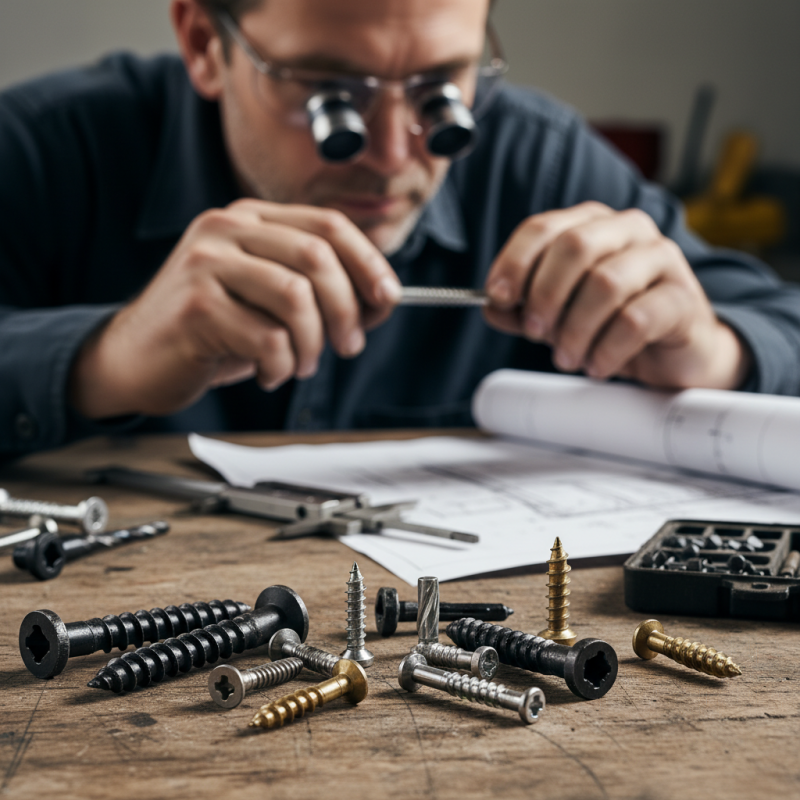
Custom tapping screws are vital in various applications, providing secure fastening in industries ranging from automotive to electronics. Understanding the types of custom tapping screws available can greatly influence performance and durability. These screws are designed to create their own hole, eliminating the need for pre-drilled pilot holes, which saves time during assembly. According to a recent industry report, the demand for customized fastening solutions is rising, with a projected growth rate of 4.5% annually.
When selecting a tapping screw, consider material, thread design, and coating. Steel, stainless steel, and plastic are common materials. Each option serves different environmental conditions. For example, stainless steel offers corrosion resistance, making it ideal for outdoor projects. Thread design is also crucial; finer threads provide better engagement in brittle materials, while coarser threads offer higher holding power in softer materials.
Tip: Always match the screw's material to your application. This can prevent failures down the line.
Another key aspect is the screw's coating. Zinc plating adds protection against rust, but it may not suit all environments. Some industries may require screws with specialized coatings for enhanced durability.
Tip: Be mindful of the coating on your screws. It can significantly affect their lifespan and performance.
Selecting the right custom tapping screw takes research and understanding of your specific needs. While it’s essential to evaluate the screw's specifications, don't overlook the importance of seeking guidance from industry professionals when necessary.
Custom Tapping Screws: Types and Applications
Key Factors to Consider When Selecting Tapping Screws
Choosing the right custom tapping screw requires careful consideration of several key factors. One crucial aspect is the material composition. According to industry reports, metal screws commonly perform better in heavy-duty applications due to their strength and durability. In contrast, plastic screws are suitable for lightweight tasks or environments prone to corrosion.
Another important factor is the screw's thread design. Coarse threads provide better grip in softer materials, while fine threads are ideal for hard substrates. Validating the screw’s thread count is essential to ensure a proper fit. Research indicates that a mismatch can lead to early failure or loosening over time.
When selecting, consider the environment. For outdoor applications, stainless steel offers superior corrosion resistance. It's essential to evaluate the specific conditions the screw will face.
Tip: Always sample screws in real application scenarios before finalizing your choice. Testing can reveal unforeseen issues. A good practice is to consult technical data sheets that outline material strengths and weaknesses.
In addition, consideration of screw length is often overlooked. A too-short screw may not provide secure fastening, while an overly long screw could damage underlying materials. Aim for a balance to optimize performance.
Material Choices for Custom Tapping Screws: Pros and Cons
When selecting custom tapping screws, the material choice is critical. Common materials include carbon steel, stainless steel, and plastic. Each material has distinct advantages that can cater to various applications. For instance, carbon steel offers excellent tensile strength, making it ideal for heavy-duty tasks. A study by the Engineering ToolBox states that carbon steel provides up to 40% greater strength compared to standard metals. However, it is susceptible to corrosion without proper coating.
Stainless steel is another popular option. It is resistant to rust and suitable for outdoor use. According to a report from the Material Research Society, stainless steel tapping screws can last up to three times longer than their carbon counterparts in humid environments. However, these screws can be more expensive and may subject you to issues like galling during installation if not selected correctly.
Plastic materials provide a lightweight and non-corrosive alternative. They work well for electronic devices or applications where conductivity is a concern. The downside is that plastic does not hold up under extreme stress and may require more frequent replacements. Understanding these pros and cons is essential for making an informed decision. It's crucial to weigh your specific needs against these characteristics to select the best custom tapping screw.
How to Choose the Best Custom Tapping Screw for Your Needs? - Material Choices for Custom Tapping Screws: Pros and Cons
| Material | Pros | Cons | Best Use Cases |
| Carbon Steel | High strength, cost-effective, easy to machine | Rust prone, lower corrosion resistance | General applications, automotive |
| Stainless Steel | Corrosion resistant, durable, aesthetically pleasing | More expensive, harder to machine than carbon steel | Marine applications, food industry |
| Brass | Corrosion resistant, good electrical conductivity | Soft material, lower mechanical strength | Electrical fittings, decorative applications |
| Aluminum | Lightweight, good corrosion resistance | Less strength compared to steel, costly | Aerospace, lightweight structures |
| Plastic | Resistant to corrosion, non-conductive, lightweight | Lower strength, temperature sensitive | Electronics, applications where metal cannot be used |
Determining the Right Size and Thread Pitch for Your Project
Choosing the right size and thread pitch for custom tapping screws is crucial. It affects the screw's performance and durability in your project. Understanding these specifications can be daunting, but a few guidelines can simplify the process.
Begin by determining the material you will be screwing into. Softer materials require finer threads, while harder materials can accommodate thicker threads. Measuring the depth of the hole is essential. It helps you select the screw length that prevents stripping or breaking. Choose a thread pitch that aligns with your project needs. A tighter pitch offers better grip, while a coarser one allows for faster installation, but may not hold as securely.
It's not just about following a formula. Sometimes, you may find that a screw doesn’t fit perfectly, leading to unexpected challenges. Reflecting on these moments can guide your next choice. Experimentation often helps clarify these nuances. Testing different sizes and pitches on sample materials allows you to see how they perform. Remember, understanding these aspects not only enhances your skills but also boosts your confidence in selecting the right screw for your project.
Common Mistakes to Avoid When Choosing Custom Tapping Screws
When choosing custom tapping screws, many people make avoidable mistakes. One common pitfall is selecting the wrong material. Different environments require specific materials. For example, using carbon steel in humid conditions can lead to rust. Studies indicate that about 30% of fastener failures stem from material selection errors. Understanding which material suits your project is essential.
Another frequent error is overlooking thread design. The wrong thread type can lead to loose connections. A study in the Journal of Fastener Technology notes that improper thread engagement results in 25% of fastening issues. Many also neglect to consider screw length, which is crucial for holding power. If the screw is too short, it may fail under load. This oversight can waste time and resources.
Finally, not consulting with industry experts can be detrimental. Engaging with professionals can save you from costly mistakes. While online resources provide valuable information, personalized advice can clarify doubts. Building relationships with knowledgeable suppliers enhances your understanding of custom tapping screws and their applications.





