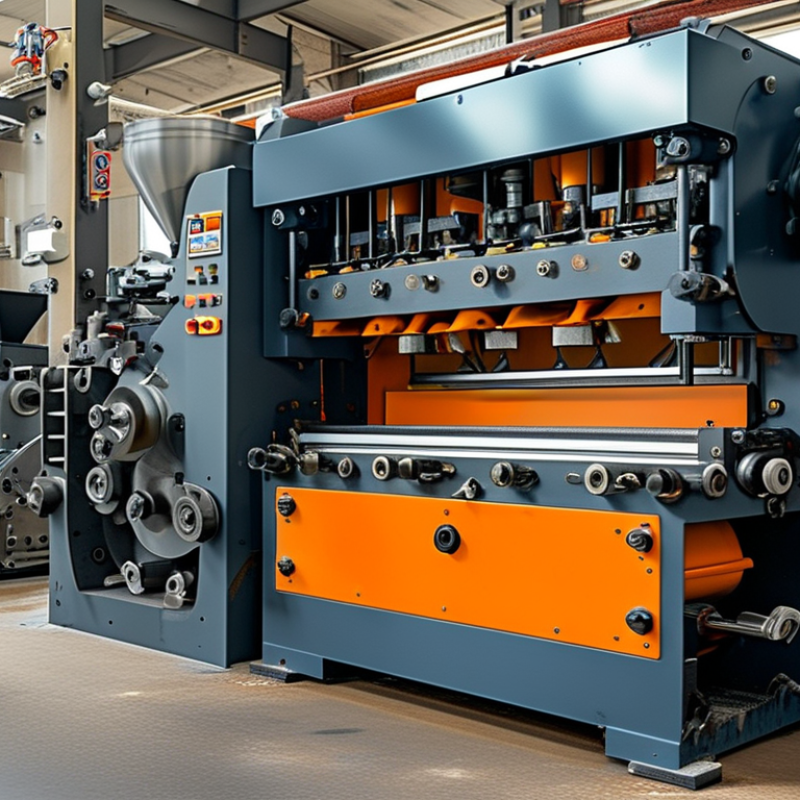
How to Choose the Best Calendering Machine for Your Business?
Choosing the right Calendering Machine for your business can be a pivotal decision. It influences both efficiency and product quality. With various options available, making the best choice requires careful consideration.
Understanding your specific needs is essential. What materials will you process? Different machines cater to different applications. Factors like machine size, speed, and temperature control also affect performance. Look for machines with advanced features for better results.
Researching manufacturers and their reputations can provide insight. Explore user reviews and testimonials. Gathering this information helps build confidence in your decision. Remember, the wrong choice could lead to inefficiencies and increased costs. Take your time to reflect on options before making a commitment.
Factors to Consider When Selecting a Calendering Machine for Industry Needs
When selecting a calendering machine for your industry needs, several factors warrant attention. The machine's size and capacity should align with your production volume. Consider the thickness and composition of the materials you work with. This choice impacts the temperatures and pressures necessary for effective calendering.
Another crucial aspect is the ease of maintenance. Machines that require frequent adjustments can slow down production. Look for options that allow quick access to parts without complex procedures. Energy efficiency is also key. Machines that consume less energy may reduce operational costs over time.
Don’t overlook the flexibility of the equipment. In a dynamic market, you may need to produce various products. The ability to adapt to different specifications is beneficial. It could limit downtime and enhance productivity. However, ensure the machine’s adaptability does not lead to complexity in operation. Balancing versatility and user-friendliness is essential. This aspect may require reevaluation of your specific manufacturing goals.
The Importance of Roll Configuration in Calendering Machine Efficiency
When selecting a calendering machine, roll configuration is crucial. It directly influences the machine's efficiency and the quality of the end product. The design of the rolls, their arrangement, and the materials used all play significant roles. For instance, a three-roll configuration can provide better control over thickness and smoothness. However, it may also require more skilled operators compared to a two-roll setup, which is simpler but may lack precision.
Understanding the specific requirements of your production process is essential. Different applications can demand unique roll characteristics, such as temperature control or varying speeds. For example, a roll with a surface texture may enhance grip during processing. However, this might lead to wear and tear on the rolls over time. Balancing these factors requires expertise and a clear understanding of the materials being processed.
Finally, considering maintenance and operational costs is vital. More complex configurations might promise efficiency but can also introduce unexpected repair costs and downtime. An imperfect choice may hinder production or increase expenses. Therefore, engaging with industry experts can provide insights that help refine your decision-making process.
Comparing Temperature Control Systems for Optimal Calendering Results
The choice of temperature control systems in calendering machines is crucial for achieving optimal results. Different materials respond uniquely to temperature changes. For instance, a study from the Rubber and Plastics Research Association indicates that temperature variations of just 5°C can affect the quality of the final product by as much as 15%. This is particularly significant when working with sensitive compounds like rubber or plastics.
Effective temperature control ensures uniform processing. Inconsistencies can lead to defects that compromise product integrity. According to the International Journal of Machine Tools and Manufacture, maintaining a precise temperature within ±2°C can enhance processing efficiency by up to 25%. However, the challenge lies in the calibration of these systems. Many companies fail to regularly adjust their temperature settings, risking quality and productivity.
Thermal imaging technology has emerged as a viable solution to monitor temperatures accurately. Using infrared cameras, operators can detect hotspots that might indicate inefficiencies. This proactive approach is crucial but often overlooked. Regular audits and adjustments of temperature settings could mitigate production issues and reduce waste. Yet, many businesses find it difficult to allocate resources for such measures. Addressing this gap is essential for improving overall output and maintaining competitiveness in the market.
Evaluating Material Compatibility in Relation to Calendering Processes
When choosing a calendering machine, material compatibility plays a pivotal role. The physical and chemical properties of materials can significantly influence the calendering process. For instance, differing viscosities and melting points can affect the smoothness of the final product. According to a recent industry report, over 70% of calendering issues stem from material incompatibility. Hence, understanding the materials in use is imperative.
Prior to selecting a calendering machine, one should conduct thorough tests on the materials. Testing can reveal critical factors such as adhesion levels and thermal stability. Research indicates that materials like PVC require specific temperature parameters to achieve optimal results. Ignoring these factors can lead to inconsistent product quality.
The machine's design must also accommodate diverse material needs. A single roller may suffice for softer materials, while a multi-roller setup proves essential for complex compounds. The decision isn't solely technical; it should reflect an understanding of the materials' behavior under pressure and heat. Balancing this knowledge with production goals is crucial for operational success. The industry demands continuous reflection on these choices to drive improvements and ensure integrity in the manufacturing process.
Maintenance and Support: Key Services for Longevity of Calendering Machines
When selecting a calendering machine, maintenance and support play critical roles. Regular upkeep is crucial for optimal machine performance. Reports indicate that about 45% of downtime in manufacturing is linked to inadequate maintenance. A good maintenance plan can extend the operational lifespan of your machinery significantly.
Employing experienced technicians for routine checks is essential. These experts can identify potential issues before they escalate. Research shows that routine inspections can reduce unexpected failures by nearly 30%. Implementing a structured maintenance schedule will enhance reliability, ensuring that your machine runs efficiently.
Support services also matter. Access to technical assistance can save time and resources. Many businesses experience challenges during machine setup or operation. In such cases, timely support can make a significant difference. Sticking to a maintenance routine isn't just smart; it’s survival in a competitive industry. Balancing service needs and operational demands requires careful consideration and reflection.
How to Choose the Best Calendering Machine for Your Business? - Maintenance and Support: Key Services for Longevity of Calendering Machines
| Feature | Description | Importance | Maintenance Frequency | Support Provided |
| Roll Diameter | Size of the rolls impacts the product thickness. | High | Annual | Technical consultation available |
| Heating System | Effectiveness of heat application for materials. | Medium | Monthly | Routine checks included |
| Control System | Enables precision in the calendering process. | High | Biannual | Software updates and support |
| Frame Material | Durability and strength for long-term operation. | Medium | Yearly | Inspection and immediate repairs if needed |
| Safety Features | Protection mechanisms to ensure operator safety. | High | Quarterly | Safety audits available |