How to Choose the Best Aluminium Casting Mold for Your Needs?
When selecting the best Aluminium Casting Mold, expertise is crucial. John Smith, a leader in aluminium casting, notes, "Choosing the right mold can significantly impact your project's success." This statement highlights the importance of informed decisions in the mould selection process.
Aluminium casting molds come in various shapes and sizes. Factors such as material quality, design precision, and durability play pivotal roles. Each project has unique needs, making careful consideration essential. An unsuitable mold can lead to defects and wasted resources.
It's important to reflect on past experiences. Many have learned the hard way that cutting corners on mold selection can be costly. Quality molds not only increase efficiency but also improve the final product's quality. Picking the right Aluminium Casting Mold involves balancing cost, durability, and performance. This can be challenging but is vital for a successful casting process.
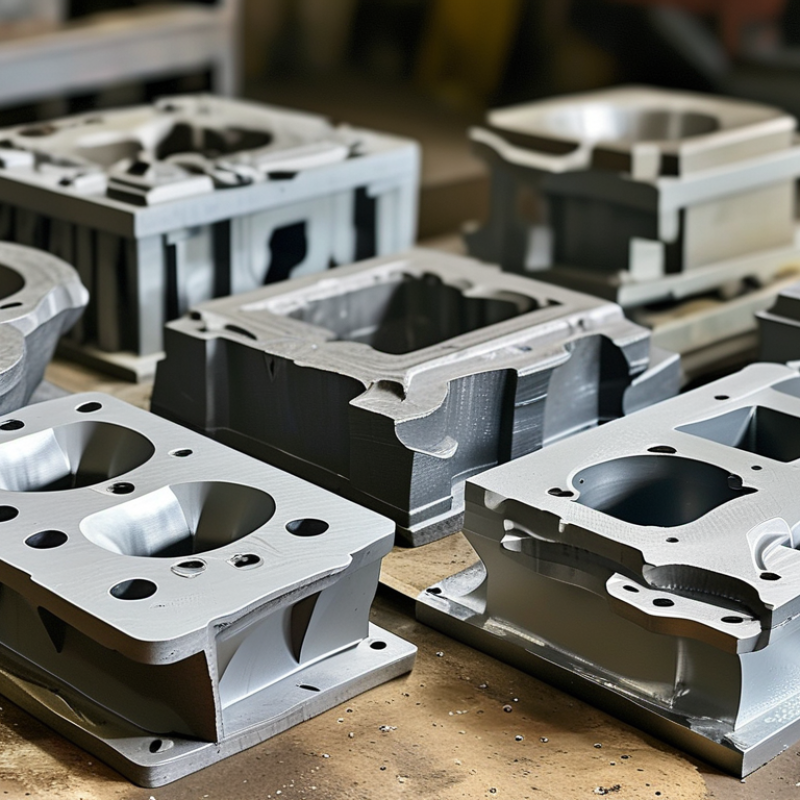
Factors to Consider When Selecting Aluminium Casting Molds
When selecting aluminium casting molds, several critical factors demand attention. Material quality is paramount. High-quality aluminum ensures durability and resistance to warping under intense heat. Mold thickness can influence the casting process. Thicker molds offer stability, while thinner options can heat up more quickly. It’s essential to evaluate the trade-offs based on your specific needs.
Another vital aspect is the design of the mold. A well-designed mold should facilitate easy release and minimize surface imperfections. Look for features that promote smooth surfaces, as this can reduce post-processing work. Cooling channels can also be beneficial. They help manage temperature control during the casting process, affecting the quality of the final product.
Consider also the intended application of the cast object. Different applications may require varied levels of precision and finish quality. If your project demands high tolerances, ensure the mold is manufactured with precision in mind. This can sometimes require more investment. Reflecting on your priorities will ultimately lead you to a satisfactory choice. Balancing budget constraints with quality need not be daunting if approached thoughtfully.
Factors to Consider When Selecting Aluminium Casting Molds
Types of Aluminium Casting Processes and Their Impact on Mold Selection
When selecting aluminium casting molds, it's essential to understand the types of casting processes available. Different processes influence the mold's material and design. Sand casting, for instance, is flexible and cost-effective, ideal for large parts. Conversely, die casting produces precise and smooth finishes but is more suitable for high-volume production.
Tips: Consider the size and complexity of your design. An intricate design may require sand casting due to mold adaptability. Prioritize the mold material too; high-temperature resistance is crucial for longevity.
Investment casting offers high accuracy and excellent surface finish. However, it may involve higher initial costs. Another option is permanent mold casting, which strikes a balance between cost and quality. Assess your production scale. Small batches can benefit from sand or investment casting, while die casting suits mass production.
Tips: Evaluate your budget against the casting process. Sometimes, lower costs may compromise quality. Ensure that your choice aligns with your long-term manufacturing goals. Consider potential changes in your designs, as flexibility can be a game-changer.
How to Choose the Best Aluminium Casting Mold for Your Needs?
| Casting Process | Mold Type | Advantages | Disadvantages |
| Die Casting | Steel Molds | High precision, excellent surface finish, and durability. | High initial cost; not suitable for low volume production. |
| Sand Casting | Green Sand Molds | Cost-effective for low volume, adaptable for complex shapes. | Lower precision and surface finish; longer production time. |
| Investment Casting | Ceramic Shell Molds | High accuracy, excellent surface quality, suitable for intricate designs. | Higher production costs; longer lead times. |
| Permanent Mold Casting | Metal Molds | Good surface finish, decent dimensional accuracy, and fast production cycles. | Limited to less complex shapes; moderate costs. |
| Cold Chamber Die Casting | Aluminium or Steel Molds | Ideal for high melting point alloys; high production rates. | Higher tooling costs; limited to simpler geometries. |
Material Properties of Aluminium and Their Implications for Molds
When selecting an aluminium casting mold, understanding material properties is crucial. Aluminium boasts excellent thermal conductivity, which influences cooling rates during casting. This characteristic helps attain precise shapes and details. However, rapid cooling can lead to warping and defects. Balancing cooling rates with mold design is key to achieving quality casts.
Another property of aluminium is its lightweight nature. This can affect the durability of the molds. Lightweight molds may wear out faster, leading to the need for frequent replacements. Choosing the right alloy can mitigate this risk. The alloy's composition impacts its strength and resistance to deformation.
Corrosion resistance is another factor to consider. Aluminium naturally forms a protective oxide layer, but molds can still suffer from wear. Regular maintenance and surface treatments can enhance longevity. However, over time, even the best molds may show signs of wear. Understanding these limitations can help you make informed choices for your aluminium casting needs.
Cost Analysis: Evaluating the Budget for Aluminium Casting Molds
When evaluating the budget for aluminium casting molds, cost is a crucial factor. Industry reports indicate that high-quality molds can range from $500 to over $10,000. The price often depends on the complexity of the design, the type of aluminum alloy used, and the manufacturer’s expertise. For small businesses, investing in a lower-cost mold might seem appealing, yet this can lead to higher maintenance costs and poor-quality outputs.
It's essential to consider long-term expenses. For instance, a cheap mold may wear out quickly, resulting in more frequent replacements. In contrast, a durable, well-designed mold can provide consistent production for years. Studies show that investing an additional 20% upfront can lead to 30% lower overall costs in production over time due to decreased downtime and higher efficiency.
Moreover, many manufacturers face hidden costs. These can come from delays in production or the need for intricate modifications. Companies should assess the total cost of ownership rather than just the initial price tag. Understanding these aspects contributes to making a more informed decision. This balanced approach to budgeting can prevent future regrets and ensure that the selected mould aligns with production needs.
Maintenance and Durability: Ensuring Longevity of Casting Molds
When it comes to casting, the mold's maintenance is crucial. Proper care can significantly enhance its durability. Regular cleaning after each use helps remove residue. Accumulated materials can damage the mold's surface. Inspect your mold frequently for wear and tear. Small cracks can lead to larger issues over time.
Tips: Always store molds in a dry area. Humidity can cause corrosion. Also, use a protective coating regularly. This creates a barrier against wear. Remember, even high-quality molds aren't immune to damage.
Over time, the performance may diminish. Adapting your maintenance routine is vital. If you notice inconsistencies in casting, it may indicate that the mold needs attention. Keep track of usage patterns. Monitoring how often you use the mold can guide replacements when necessary. Every mold has a lifespan. Understanding this can save you time and money.





