How to Choose the Best Aerosol Fire Extinguisher for Safety?
In recent years, the importance of safety in fire-prone environments has grown significantly. Fires can escalate rapidly, leading to devastating consequences. According to the National Fire Protection Association (NFPA), nearly 3,400 people died in U.S. home structure fires in 2020. A reliable fire extinguishing solution is crucial. The aerosol fire extinguisher has emerged as an effective option due to its compact nature and ease of use.
Aerosol fire extinguishers provide a fine mist that cools and suppresses flames. They are lightweight and can be utilized by anyone, regardless of training. Reports show that these extinguishers can be more effective in tackling small fires compared to traditional ones. However, the market is saturated with different types of aerosol fire extinguishers, making it challenging to choose the best one. Making an informed decision is important for safety and compliance with fire regulations.
Despite the advancements, not all aerosol fire extinguishers are created equal. Some may have limited effectiveness against certain classes of fires. Understanding the specifications, certifications, and testing standards of these devices is essential. This careful consideration ensures that the selected aerosol fire extinguisher meets safety requirements and provides peace of mind in emergencies.
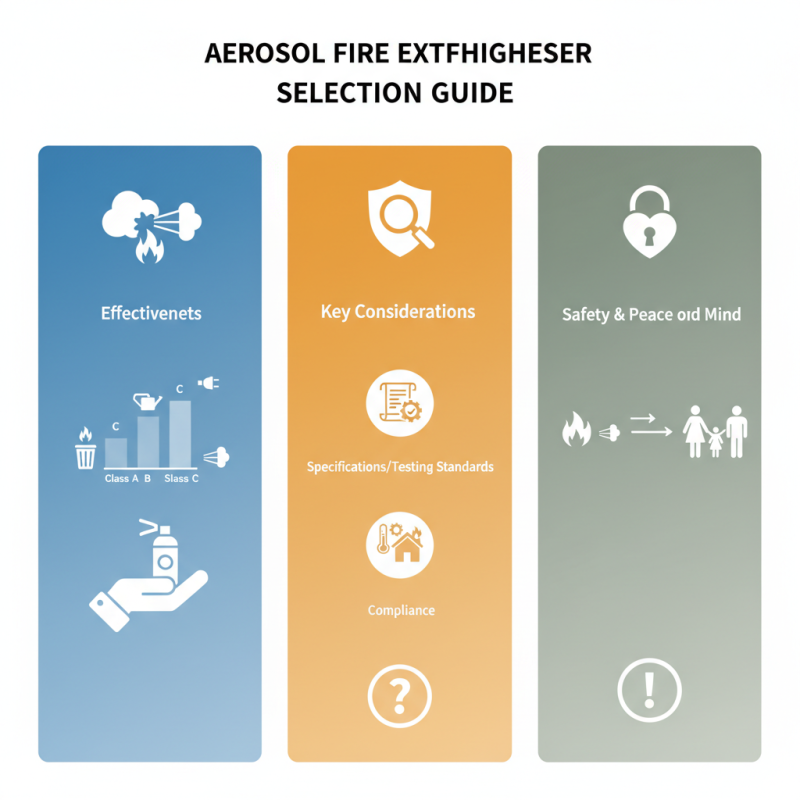
Understanding the Different Types of Aerosol Fire Extinguishers
Aerosol fire extinguishers come in various types, each designed for specific fire hazards. Understanding these types is crucial for making an informed choice. Some extinguishers use dry chemical agents, suitable for Class B and Class C fires. They effectively smother flames from flammable liquids and electrical sources. This versatility often makes them popular in many settings.
Another type employs water-based agents. These are mainly used for Class A fires, which involve ordinary combustibles like wood and paper. While effective, these extinguishers should not be used on electrical fires or flammable liquids. Users must know their environment and the potential fire risks to select appropriately.
Some aerosol extinguishers contain foam, which can create a barrier between the fuel and the fire. This type is useful for Class A and B fires but less common. Reflecting on these aspects, one might realize that choosing the right extinguisher goes beyond just picking a product. It involves understanding the potential hazards and knowing the types of extinguishers available. Users should thoroughly assess their fire risks and ensure compliance with safety standards.
Key Factors to Consider When Selecting an Aerosol Fire Extinguisher
Choosing the right aerosol fire extinguisher is crucial for safety. Start by determining the types of fires likely to occur in your environment. Different extinguishers tackle various fire classes. Assess where you will place the extinguisher. Accessibility and visibility play a key role.
Consider the size and weight of the extinguisher. You want something manageable in an emergency. Check the discharge time and range, as these factors can greatly influence your ability to effectively extinguish a fire. An extinguisher that discharges quickly and reaches a good distance could be more reliable.
Evaluate the maintenance requirements. Some extinguishers need more frequent inspections than others. Look for easy-to-follow guidelines for keeping the unit in good working order. A little research can save you from future hassles. Take your time to make the best choice; it might be the difference between safety and danger.
Assessing the Effectiveness of Aerosol Fire Extinguishers
When it comes to fire safety, aerosol fire extinguishers have gained attention for their effectiveness in controlling small fires. Assessing their effectiveness involves understanding how they work. Aerosol extinguishers release a fine mist to cool and smother flames. This method can be effective against various classes of fire, including those involving flammable liquids and gases.
Tips: Check the manufacturer's specifications for the types of fires the extinguisher can handle. The right choice can prevent potential disasters. Look for extinguishers that have undergone tests per safety standards. This can ensure they perform in a real emergency.
It’s essential to consider the limitations of aerosol extinguishers. While they are compact and easy to use, they may not always replace larger extinguishers in significant fires. Users should practice with the device and be aware of the surrounding environment. Regular checks for expiration dates and any damage are vital steps in maintaining reliability.
Safety Standards and Certifications for Aerosol Fire Extinguishers
When selecting an aerosol fire extinguisher, safety standards and certifications play a crucial role. Look for products certified by organizations such as Underwriters Laboratories (UL) or the National Fire Protection Association (NFPA). These certifications ensure the extinguisher meets safety and performance standards. Always check for labels that indicate compliance with relevant standards; this can significantly affect your overall safety.
Tips: Inspect the expiration date on the extinguisher. A product that has expired may not function as intended during an emergency. Consider the weight and ease of use. Select a model that fits your comfort and handling capabilities.
Aerosol fire extinguishers should be tested under various conditions. Some may not perform well in extreme temperatures or high humidity. It's important to read reviews and expert opinions. Familiarize yourself with the specific risks in your area; not every extinguisher is suitable for all types of fires. Stay informed about advancements in fire safety technology to choose an effective product.
How to Choose the Best Aerosol Fire Extinguisher for Safety?
| Criterion | Description | Standard/Certification |
| Extinguishing Agent | The chemical used to put out the fire | UL 299 |
| Size/Capacity | Amount of extinguishing agent in the canister | NFPA 10 |
| Discharge Time | How long the extinguisher can spray | ISO 7165 |
| Temperature Range | Operating temperatures for effective use | EN 3-7 |
| Safety Features | Additional features for user safety | UL 711 |
| User Instructions | Clarity and accessibility of usage instructions | ISO 7010 |
Maintenance and Proper Use of Aerosol Fire Extinguishers
Aerosol fire extinguishers are gaining popularity for their compact design and effective fire suppression. However, understanding proper usage and maintenance is critical for ensuring safety. According to the National Fire Protection Association (NFPA), nearly 30% of fire extinguisher failures result from improper maintenance. Regular inspections and timely refills are essential.
It is advised to visually inspect your aerosol fire extinguisher monthly. Check for any damage, dents, or corrosion. Ensure the nozzle is clear of obstructions. Maintaining pressure is crucial; many extinguishers have a pressure gauge. If the gauge shows red, it’s time for service. Always store the extinguisher in a designated place, away from extreme temperatures.
Tips: Always follow the manufacturer's instructions. Practice using the extinguisher in a safe environment. Understand the different fire classes and the appropriate extinguisher type for each.
Properly disposing of expired extinguishers is also a responsibility. Authorities recommend recycling them when possible. Familiarize yourself with local disposal guidelines. Many places offer collection events or drop-off locations. This ensures a safe environment for everyone.
Comparison of Fire Extinguisher Types





