Why Choose Belt Conveyor for Efficient Material Handling?
In the world of material handling, efficiency is key. Experts emphasize the importance of choosing the right systems. One such expert, Dr. Michael Turner, a leading authority in industrial logistics, states, "Belt Conveyors are the backbone of modern material handling." His insight captures the essence of why so many industries rely on this technology.
Belt conveyors provide unmatched efficiency in transporting materials across various environments. They minimize manual labor and reduce downtime. Moreover, their design allows for continuous operation, which is crucial in high-demand settings. Industries ranging from mining to packaging utilize these systems for consistent performance. Many professionals acknowledge, however, that choosing the right conveyor is not always straightforward.
Proper selection involves understanding load types, distances, and environmental conditions. Some companies face challenges when integrating belt conveyors into existing operations. Nevertheless, with careful planning and expert guidance, these challenges can be overcome. Harnessing the strength of a belt conveyor ensures a smoother workflow, ultimately enhancing productivity and profitability.
Advantages of Belt Conveyors in Material Handling Systems
Belt conveyors offer significant advantages in material handling systems. They create smooth, continuous transportation of materials. This efficiency reduces operational costs. According to a report by the Conveyor Equipment Manufacturers Association, using belt conveyors can boost productivity by up to 30%. This makes them an essential choice in various industries.
The versatility of belt conveyors allows them to handle different materials, from bulk items to fragile products. They can operate on inclines and declines, maximizing space in facilities. In environments where speed matters, belt conveyors excel. However, maintenance can be a concern. Wear and tear on belts may lead to unexpected downtime.
Efficient design is crucial. Some systems can be customized based on layout needs. While belt conveyors enhance efficiency, their initial setup costs can be high. Businesses should weigh long-term gains against upfront investments. In decision-making, it’s wise to consider specific operational needs and challenges.
Comparison of Belt Conveyors with Other Material Handling Solutions
When comparing belt conveyors to other material handling solutions, certain advantages become clear.
Belt conveyors offer flexibility in layout design. They can operate on inclines, declines, and even in tight spaces. This adaptability makes them more efficient for varied environments.
Data from industry reports shows that belt conveyors can reduce operational costs by up to 30%. They require less maintenance compared to a network of lifts or pallet trucks. However, they are not always ideal for heavy or extremely abrasive materials. In such cases, more robust alternatives may be needed, raising concerns about wear and tear.
Other systems, like automated guided vehicles (AGVs), provide different advantages. They can navigate complex paths and handle divergent loads. Yet, AGVs generally involve higher initial investments and more extensive programming. Balancing these factors is essential for optimizing material handling setups.
Evaluating your specific needs will help identify the right solution for your operations.
Key Components and Design Features of Belt Conveyors
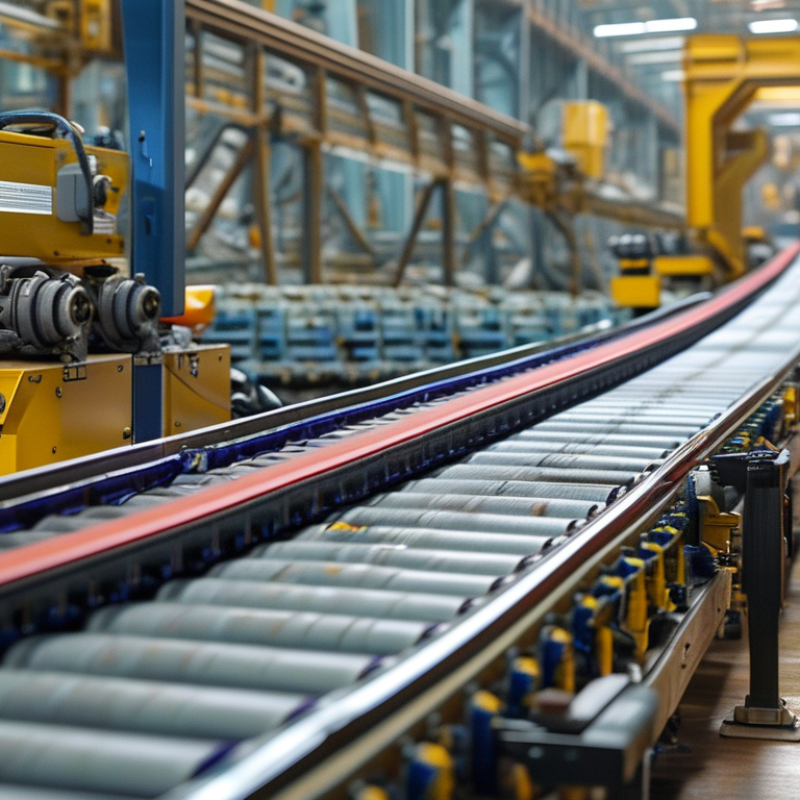
Belt conveyors are essential in material handling systems. They consist of several key components. The belt is the most visible part, transporting materials over distances. Rolls and pulleys support the belt, ensuring smooth movement. A solid drive mechanism is crucial for efficiency. Belts come in various materials, catering to different loads and environments.
The design features of belt conveyors offer flexibility. Adjustable speeds allow them to handle various materials effectively. Inclined or declined setups aid in vertical transportation. Safety features, like emergency stops, are vital in busy environments. However, regular maintenance is necessary to prevent wear and prolong lifespan.
While belt conveyors are efficient, they are not without challenges. Issues like belt misalignment or slipping can occur. Operators must stay vigilant and perform regular checks. Investing in training helps teams identify potential problems early. Overall, understanding these components and design features is crucial for success in material handling.
Applications of Belt Conveyors Across Various Industries
Belt conveyors are crucial in various industries for effective material handling. In manufacturing, these conveyors streamline the production line. They transport materials like metals and plastics efficiently, minimizing manual labor. The continuous movement enables faster assembly times and reduces delays.
In the mining sector, belt conveyors play a vital role in transporting mined materials over long distances. They can handle heavy loads, which is essential for operations that require moving bulk resources. However, maintenance can sometimes be an issue, as wear and tear on belts can lead to costly downtime. Regular inspections are necessary to ensure optimal performance.
The food industry also benefits greatly from belt conveyors. They can move packaged goods through processing plants, maintaining hygiene and safety standards. Yet, these systems must comply with strict regulations. Occasionally, adaptation is needed to meet specific requirements, which can complicate the initial setup. Despite these challenges, the versatility of belt conveyors makes them a popular choice across sectors.
Why Choose Belt Conveyor for Efficient Material Handling? - Applications of Belt Conveyors Across Various Industries
| Industry | Application | Material Type | Efficiency Benefits |
| Manufacturing | Assembly Line Transport | Components, Parts | Increased speed and reliability |
| Mining | Material Transport | Coal, Ore | Reduced manual handling and risk |
| Food Processing | Ingredient Delivery | Grains, Vegetables | Maintains hygiene and speed |
| Logistics | Package Handling | Boxes, Pallets | Streamlined sorting and reduced floor space |
| Construction | Material Movement | Sand, Gravel | Faster project completion time |
Maintenance and Operational Efficiency of Belt Conveyors
Belt conveyors are essential in modern material handling systems. Their design offers high efficiency and low maintenance needs. Regular upkeep is crucial to optimizing performance. A study by the Conveyor Equipment Manufacturers Association reveals that proper maintenance can increase conveyor lifespan by 20%. This statistic highlights the importance of regular checks and timely repairs.
Operational efficiency is tied closely to the design of belt conveyors. They can transport a variety of materials over long distances, reducing labor costs. However, issues like belt misalignment or wear can disrupt operations. In fact, misalignment can lead to a 15% increase in energy consumption, according to a report by the International Journal of Engineering Research.
Investing in predictive maintenance can alleviate many operational headaches. Using sensors and monitoring systems allows for timely interventions. Failure to address small issues can result in larger, costlier problems. A proactive approach ensures that production remains smooth and cost-effective. Understanding these details can lead to more informed decisions in material handling processes.





