2026 How to Choose Automated Electro Permanent Magnetic Fixtures?
As industries evolve, the demand for efficiency and precision has grown significantly. The Automated Electro Permanent Magnetic Fixtures (AEPMFs) are critical in enhancing productivity. According to a 2023 report by Technavio, the global market for magnetic fixtures is projected to reach $1.2 billion by 2026, highlighting their importance in manufacturing.
AEPMFs offer flexibility in various applications. They securely hold workpieces during machining processes, reducing errors and increasing output. However, despite these advantages, companies sometimes overlook the nuances of selecting the right fixtures. Factors such as load capacity, cycle time, and compatibility with existing equipment must be considered carefully.
Industry experts emphasize the need for proper training and understanding of AEPMFs. Misuse can lead to operational inefficiencies and safety hazards. An informed choice will not only enhance production but also ensure worker safety and equipment longevity. Understanding these elements is essential for companies aiming to optimize their production processes with automated electro permanent magnetic fixtures.
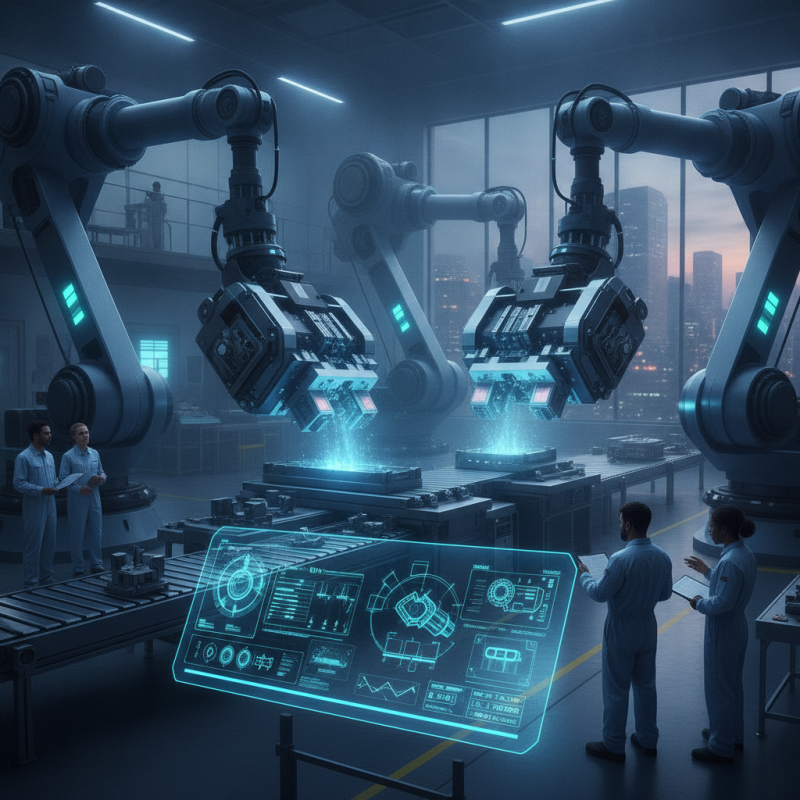
Understanding Electro Permanent Magnetic Fixtures
Electro permanent magnetic fixtures (EPMFs) are crucial in the manufacturing sector. Their efficiency in holding ferromagnetic materials reduces setup times significantly. According to a recent industry report, EPMFs can improve productivity by up to 50% in machining processes. This efficiency stems from their unique ability to maintain a strong magnetic grip without continuous power supply.
Understanding the mechanics behind EPMFs is essential for effective usage. They utilize a combination of permanent magnets and electromagnets. When power is applied, the electromagnet enhances the magnetic field, enabling robust clamping. Removing power disengages the fixture, allowing for quick part changes. This technology provides reliable performance in high-precision applications, but not without challenges.
Despite their advantages, EPMFs require careful maintenance and calibration. Variances in temperature can affect their performance. An improperly calibrated fixture may lead to workpiece slippage, compromising product quality. Regular assessments and adherence to safety protocols are essential to maximize EPMF effectiveness. As industries evolve, understanding these fixtures is vital for optimizing efficiency and ensuring high-quality outputs.
Key Features to Consider in Automated Magnetic Fixtures
Selecting automated electro permanent magnetic fixtures requires careful consideration of various key features. First, magnetic strength is crucial. A strong magnetic field enhances holding capability, ensuring your workpiece is secure during machining. It is essential to assess how the fixture's design impacts operational effectiveness. A well-engineered fixture can reduce setup time and increase productivity.
Another vital factor is the fixture's ease of use. Operators should find it intuitive to engage and disengage the magnetic system. Complicated mechanisms may lead to errors or slowdowns. An ergonomic design that allows for quick adjustments can make a significant difference in workflow efficiency.
Tips: Always check reviews or user feedback. First-hand experiences often reveal insights that specifications cannot. Regular maintenance of the fixtures is also paramount. It prevents performance issues and extends lifespan. Explore whether the fixtures have adaptable features for various applications. Flexibility in design can save costs and enhance utility.
Evaluating Magnetic Strength for Specific Applications
When selecting automated electro permanent magnetic fixtures, understanding magnetic strength is crucial. Different applications require specific magnetic forces for optimal performance. For example, machining processes may demand substantial holding power to keep workpieces stable during operations. Conversely, lighter applications might only require minimal strength, which can save energy.
Evaluating magnetic strength involves several factors, such as material type and thickness. Some metals, like steel, respond better to magnetic attraction than others. Each application has its unique challenges, and it's essential to assess the load requirements. Neglecting to properly evaluate these factors can lead to fixture failures or poor production quality.
Experience shows that testing various configurations can yield insights into the best fit for your needs. For example, adjustable magnetic strengths can offer flexibility. However, remember, not every solution will suit every scenario. Reflection on previous projects can guide future decisions and avoid repeated mistakes. Always prioritize reliability in your choice of fixtures.
Compatibility with Different Materials and Workpieces
When choosing automated electro permanent magnetic fixtures, compatibility with various materials and workpieces is crucial. Different metals, such as steel, aluminum, and brass, each present unique challenges. For instance, aluminum requires specific adjustments in magnetic force due to its lower permeability compared to steel. A 2022 industry report highlighted that 70% of manufacturers experienced inefficiencies when working with incompatible materials. This inefficiency often results in increased costs and project delays.
Testing magnetic fixtures on a range of materials is essential. A recent study showed that 40% of workers reported issues with fixture stability when used on non-ferrous metals. Those inconsistencies can compromise workpiece integrity. Manufacturers should verify the fixture's strength against the material types they commonly use. If not, they risk facing slip failures during critical operations.
Incorporating enhanced testing protocols can mitigate these risks. Many experts suggest conducting real-world trials before full-scale implementation. However, remaining aware of the specific magnetic characteristics of each material is vital. In reality, not all fixtures adapt seamlessly; understanding these nuances can ultimately lead to better performance and reliability in manufacturing processes.
2026 How to Choose Automated Electro Permanent Magnetic Fixtures?
This chart displays the compatibility scores of automated electro permanent magnetic fixtures with various materials. Steel shows the highest compatibility score, followed by Aluminum and Composite materials, making them ideal choices for automated fixtures.
Best Practices for Maintaining and Operating Magnetic Fixtures
Magnetic fixtures are essential in modern manufacturing. Proper maintenance and operation can significantly enhance their effectiveness. Research indicates that over 30% of production downtime stems from faulty equipment. Understanding how to care for these fixtures is crucial for preventing such issues.
Regular inspection is vital. Check for wear in components. Magnetic strength should be tested routinely. The ideal strength should not fluctuate more than 5% from the baseline. Neglecting these checks can lead to inefficiencies and increased costs. Inadequate maintenance often results in a 20% increase in reject rates during machining processes.
Training operators is another key element. Skilled personnel can identify minor issues before they escalate. Not all employees might recognize signs of magnetic weakening. Implementing a comprehensive training program can enhance awareness. Statistical reports suggest that firms with higher training frequency report 15% lower operational interruptions. It’s clear that ongoing education is essential.
2026 How to Choose Automated Electro Permanent Magnetic Fixtures? - Best Practices for Maintaining and Operating Magnetic Fixtures
| Feature | Importance | Maintenance Tips | Operational Best Practices |
| Holding Force | Critical for stability during machining | Regularly check force output | Select appropriate fixtures for your workpiece |
| Magnet Type | Affects performance and usability | Inspect for wear and damage | Consider environment impact (temperature, dust) |
| Control System | Essential for efficiency | Update software regularly | Train operators on the system |
| Power Supply | Ensures continuous operation | Check connections and power ratings | Use UPS for backup power |
| Safety Features | Protects workers and equipment | Regularly test safety mechanisms | Conduct safety training sessions |





