Why Choose 409 Stainless Steel Sheet for Your Projects?
When embarking on construction or manufacturing projects, material choice is critical. One option that stands out is the 409 Stainless Steel Sheet. This versatile material is known for its strength and corrosion resistance, making it suitable for various applications. The unique properties of 409 Stainless Steel Sheet provide reliability in harsh environments, ensuring longevity and reducing maintenance costs.
Choosing 409 Stainless Steel Sheet can also pose challenges. While it offers excellent resistance to oxidation, it may not be ideal for every situation. Users must weigh its benefits against their specific needs. Many professionals have found it perfect for automotive exhaust systems and structural components. However, there are instances where other materials might perform better.
Understanding the nuances of 409 Stainless Steel Sheet is essential. Its advantages are clear, but potential drawbacks warrant consideration. As you explore this option, reflect on how it aligns with your project requirements, ensuring informed decisions lead to successful outcomes.
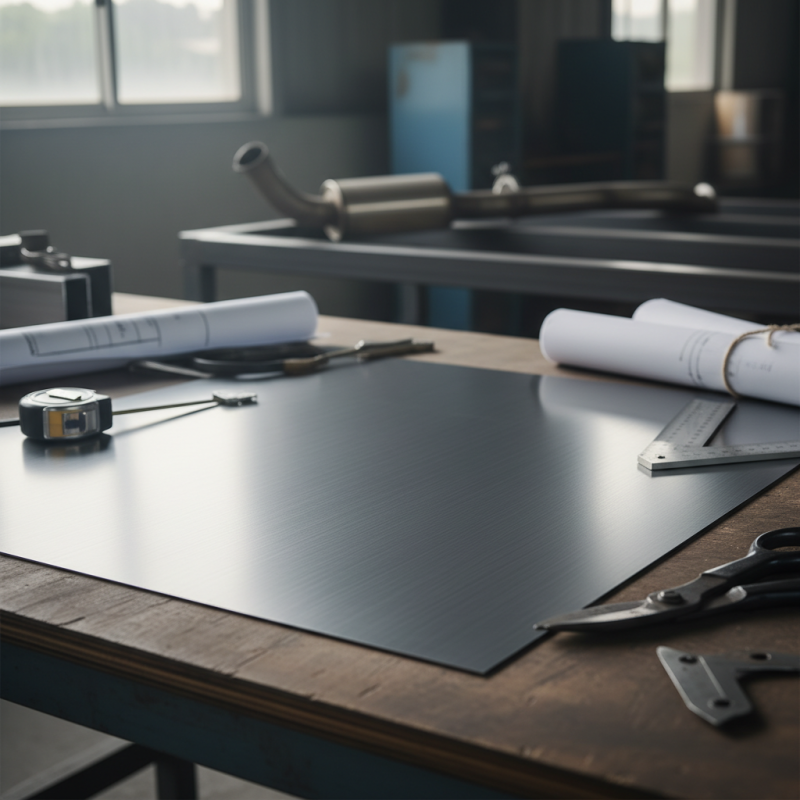
Benefits of 409 Stainless Steel in Various Applications
409 stainless steel is increasingly popular in various applications. This alloy is known for its excellent corrosion resistance, especially in moderately oxidizing environments. It is often used in automotive exhaust systems and other high-heat applications. This makes it an ideal choice for industries that require durable materials.
The cost-effectiveness of 409 stainless steel is another key benefit. It is less expensive than other stainless steels, making it a practical option for budget-conscious projects. However, it should be noted that its resistance to corrosion is not as high as some higher-grade stainless steels. This can be a drawback in applications exposed to harsh environments over long periods.
Additionally, 409 stainless steel offers great weldability. Projects that require fabrication can benefit from its ease of forming and welding. This quality can result in faster production times. It's important to consider that while 409 stainless steel is versatile, it may not be the best choice for all environments. Always evaluate the specific conditions your project will face before deciding.
Understanding the Properties of 409 Stainless Steel
409 stainless steel is notable for its unique properties that make it suitable for various applications. It contains a higher level of chromium, which provides good corrosion resistance. This attribute is crucial in environments exposed to moisture and chemicals. According to industry studies, 409 stainless steel has a corrosion rating of 8 out of 10, making it reliable for automotive exhaust systems and industrial equipment.
In addition to corrosion resistance, 409 stainless steel offers excellent strength. It has a tensile strength of around 450 MPa. This strength is significant for projects requiring durable materials. However, it does have limitations in high-temperature scenarios due to its lower nickel content compared to other grades. For instance, it may not perform well in temperatures exceeding 600°C. The balance between cost and performance is essential when choosing 409 stainless steel.
Weldability is another important characteristic. This grade can be easily welded, making it suitable for various fabrication techniques. Yet, some professionals encounter issues with cracking during welding. It is vital to use proper techniques and filler materials. In conclusion, 409 stainless steel presents a blend of advantages and challenges that require careful consideration in project planning.
Properties Comparison of 409 Stainless Steel
Cost-Effectiveness of 409 Stainless Steel Sheets
When considering materials for projects, 409 stainless steel sheets offer remarkable cost-effectiveness. This type of stainless steel is less expensive than its counterparts, making it an attractive choice for various applications. It balances affordability and durability, which is essential for projects with budget constraints. Builders often discover that the lower initial cost does not compromise performance.
Moreover, 409 stainless steel sheets provide excellent resistance to corrosion and oxidation. This feature is vital for applications in automotive exhaust systems and industrial environments. However, while these sheets are reliable, their specific grade and finish may require careful consideration. Sometimes, they may not be suitable for extreme conditions.
Investing in 409 stainless steel should involve an assessment of project needs. Weighing the cost benefits against potential limitations is crucial. This ensures the right choice aligns with long-term goals. Yet, flexibility in material selection can lead to fresh insights and opportunities. Balancing cost and effectiveness might reveal other options as well.
Comparative Analysis of 409 Stainless Steel vs. Other Grades
When considering stainless steel for specific projects, 409 stainless steel sheet emerges as a strong contender. Its notable chromium content, around 11%, provides enhanced resistance to corrosion. Compared to higher grades like 304 and 316, 409 is often more cost-effective while still maintaining adequate durability. For example, a recent industry report indicated that 409 stainless steel is approximately 20% less expensive than 304, making it an appealing choice for many applications.
Another critical aspect to consider is the mechanical properties of these grades. 409 stainless steel offers decent toughness and strength but is less ductile than 304. This could be an issue in applications requiring significant forming or welding. However, for exhaust systems or automotive parts, where resistance to high temperatures is vital, 409 performs exceptionally well under these conditions.
Tip: Always assess the specific requirements of your project. While 409 is excellent for certain applications, ensure it aligns with your project's long-term performance expectations. Check material certifications and test reports before making a final decision. Understanding the limitations of each stainless steel grade will lead to more informed choices, ultimately impacting cost and performance.
Sustainability and Environmental Impact of 409 Stainless Steel
409 stainless steel is gaining attention due to its sustainability. This material contains a high percentage of recycled content. According to the American Iron and Steel Institute, up to 60% of stainless steel can be recycled without losing its properties. This reduces the demand for raw materials and the associated environmental impact.
The environmental benefits do not end there. The production of 409 stainless steel involves lower energy consumption compared to other alloys. A study from the World Steel Association highlights that less energy usage translates to fewer carbon emissions. The lifecycle carbon footprint of 409 stainless steel is significantly lower than that of many other materials.
However, it's essential to recognize challenges in the industry. The availability of high-quality scrap can be limited in some regions. This can affect the sustainability benefits. Moreover, while the recycled content is substantial, the recycling infrastructure may not be as robust in all areas. This presents an opportunity for improvement in developing systems that enhance material recovery.





