China Top 10 UL Listed Three Phase Pad Mounted Transformers
Commercial power systems depend on transformers that can handle sustained loads, outdoor exposure, and changing site conditions. A pad-mounted three-phase unit may sit beside a supermarket, office campus, or factory, where heat, rain, and limited access shape daily maintenance. The keyword “Ul Listed Three Phase Pad Mounted Transformer For Commercial” points buyers toward a relevant product category, but UL marking alone does not establish suitability for every installation.
The U.S. Department of Energy’s 2024 assessment of the distribution-transformer market describes demand and supply-chain pressures affecting this equipment sector. That context makes careful specification important: engineers should check voltage, kVA rating, impedance, enclosure design, cooling, and applicable listing details against the project documents. UL’s published certification resources also help purchasers verify a product’s certification rather than relying on a sales description. Small details matter. A missing nameplate value can slow review.
This “China Top 10” guide compares manufacturers through practical criteria, including documented certifications, technical support, product range, and evidence of commercial applications. It is not a substitute for design review or factory verification. No source articles or verifiable expert quotation were supplied, so I will not invent an expert’s words or attach unsupported figures to a report. That limitation deserves attention: a polished catalog page is not proof of field performance. Before shortlisting a supplier, request current certificates, drawings, test documentation, and references for comparable installations.
What Defines a UL-Listed Three-Phase Pad-Mounted Transformer
A UL-listed three-phase pad-mounted transformer is not simply a transformer with a label. The listing means a defined design has been evaluated against applicable safety requirements. It may also involve follow-up checks on production. The exact scope matters. A certification mark does not confirm that every installation condition is suitable.
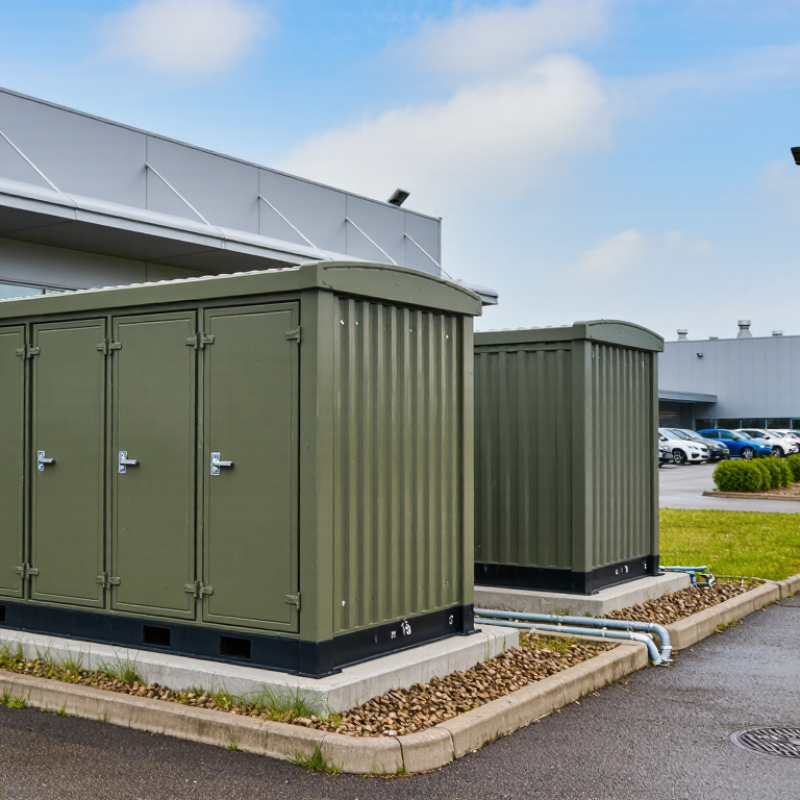
The unit typically sits on a concrete pad in a secured, weather-resistant enclosure. Inside, three-phase windings change voltage for distribution to buildings, equipment, or local networks. Depending on its design, it may use insulating liquid or another cooling arrangement. Compartments often separate high-voltage and low-voltage connections, helping keep access organized. Still, a mark can be misunderstood.
Engineers should compare the nameplate with the project requirements: rated voltage, kVA capacity, frequency, impedance, and connection arrangement. They should also confirm enclosure dimensions, grounding provisions, clearances, and cable-entry locations before the pad is poured. Small mismatches can create awkward field work. Check that the listed configuration matches the delivered equipment, not just a similar model description. The site’s load profile and utility specifications still guide selection. A listing supports confidence in evaluated safety features; it does not replace proper installation, inspection, or maintenance.
How UL Listing Supports Safety and Regulatory Compliance
China Top 10 UL Listed Three Phase Pad Mounted Transformers
How UL Listing Supports Safety and Regulatory Compliance
For buyers comparing three-phase pad-mounted transformers, a UL Listing offers evidence that a product has been evaluated against applicable safety requirements. It can support procurement and local approval, but it does not replace project specifications or approval by the authority having jurisdiction. Confirm the listing covers the exact model, voltage, kVA rating, and fitted accessories. Small details matter.
NFPA’s Electrical Fires report, based on U.S. data from 2015–2019, estimated about 32,000 home fires each year involving electrical distribution or lighting equipment. That broad category is not specific to transformers, but it shows why sound equipment selection and installation deserve attention. A listing can help buyers assess fire and shock safeguards; correct grounding, clearances, protection settings, and installation remain essential. Compliance can be misunderstood.
Tips: Ask for the listing record and verify the product nameplate matches it. Check enclosure condition, terminal access, and installation instructions before energizing. UL marks support confidence, not complacency.
Core Components, Designs, and Operating Principles
A three-phase pad-mounted transformer converts medium-voltage power to a lower voltage for local distribution. Its grounded metal enclosure houses energized components and helps limit access to them. Inside, the core and windings do the main electrical work. The core guides magnetic flux; primary and secondary windings transfer energy between circuits without a direct electrical connection. The layout varies with voltage, capacity, cooling method, and installation needs.
Bushings connect incoming and outgoing conductors, while taps allow voltage adjustment within the unit’s design range. Insulating liquid or solid insulation separates energized parts and helps manage heat. During operation, alternating current in the primary winding creates changing magnetic flux in the core. This induces voltage in the secondary winding. Protective devices can interrupt certain fault conditions, but correct coordination and installation still matter. A tidy enclosure alone is not proof of a sound design; check the nameplate and documentation for the specific configuration.
Tips: Confirm the unit’s rating, connection arrangement, and listed configuration before selection. Keep ventilation paths clear, and inspect for leaks, corrosion, or unusual noise. Small details matter. Even experienced teams can miss them.
China Top 10 UL Listed Three Phase Pad Mounted Transformers – Core Components, Designs, and Operating Principles
Ideal balanced three-phase AC voltage illustrates the 120° phase displacement used in transformer operation. Values are normalized to peak voltage and are illustrative, not product specifications.
Key Criteria for Comparing Chinese Transformer Manufacturers
China Top 10 UL Listed Three Phase Pad Mounted Transformers
Key Criteria for Comparing Chinese Transformer Manufacturers
A useful comparison starts with the exact unit, not a catalogue headline. Request the UL listing details for the offered model and confirm that its voltage, kVA rating, enclosure, and accessories match your specification. UL status applies to a defined product configuration; it does not prove every factory process is equally strong. Ask for routine and design-test records, including winding resistance, impedance, dielectric tests, and temperature rise. Check that serial numbers connect the test reports to the delivered transformer.
Efficiency and supply capability deserve equal attention. The International Energy Agency’s 2023 report, Electricity Grids and Secure Energy Transitions, says about 80 million kilometres of grids must be added or refurbished by 2040. That scale makes dependable equipment and documented lead times practical concerns. Compare guaranteed no-load and load losses, then confirm the test method and tolerance. The U.S. Department of Energy’s 2024 distribution-transformer standards analysis estimates 10.4 quadrillion Btu in energy savings over 30 years. It is a useful reminder: small loss differences matter across long service lives.
Inspect the details that brochures often skip. Ask for coating specifications, corrosion-test evidence, enclosure drawings, oil containment details, and spare-parts availability. Verify factory quality controls through an audit or recent production records. A polished report helps. It is not the whole story. Compare warranty exclusions, response times, and commissioning support in writing; vague service promises are hard to use when a unit is already on site. Even a strong supplier may have gaps, so record unresolved questions before ranking bids.
Profiles of 10 Chinese UL-Listed Transformer Suppliers
This profile compares ten Chinese suppliers of UL-listed three-phase pad-mounted transformers through practical purchasing criteria, not promotional claims. Each supplier should be assessed by its documented product range, engineering support, production capability, and export experience. Details matter. A listing for one design does not automatically cover every voltage, rating, or accessory option.
The International Energy Agency’s Electricity Grids and Secure Energy Transitions report says annual grid investment must exceed US$600 billion by 2030 to meet climate and energy-security goals. That expansion puts pressure on equipment availability and delivery schedules. For buyers, the supplier profiles can help identify differences in enclosure design, cooling arrangements, protection features, and customization support. Not just price. A delivery estimate is useful only when it accounts for testing, documentation, and shipping.
Before qualification, confirm the exact model and rating in UL’s certification records, then compare drawings, test documents, and nameplate details. Ask how each supplier handles routine inspection, spare parts, and technical questions after installation. These checks may seem tedious. They are not a substitute for independent engineering review, and a supplier’s general certification claim should never replace model-level verification. One limitation remains: published profiles cannot reveal every factory’s current capacity or lead time, so buyers should request recent, project-specific evidence.





