China Top Aluminum Stock Material for Global Buyers?
In recent years, China has emerged as a key player in the global Aluminum Stock Material market. Experts from various sectors highlight its consistent growth and innovation. Dr. Li Wei, a leading analyst in the aluminum industry, notes, “China’s advancements in aluminum processes make it a top choice for buyers worldwide.”
This statement reflects China's strategic investments in technology and production capabilities. Chinese manufacturers offer a wide range of aluminum products, which cater to diverse industrial needs. Their commitment to quality control and sustainability further enhances their reputation in the global market.
However, it is essential to remain cautious when looking at this landscape. Regional price fluctuations and trade policies can impact the stability of supply. Buyers must stay informed and consider the complexities involved in sourcing Aluminum Stock Material from China. Balancing quality, cost, and supplier reliability remains a critical challenge for global buyers.
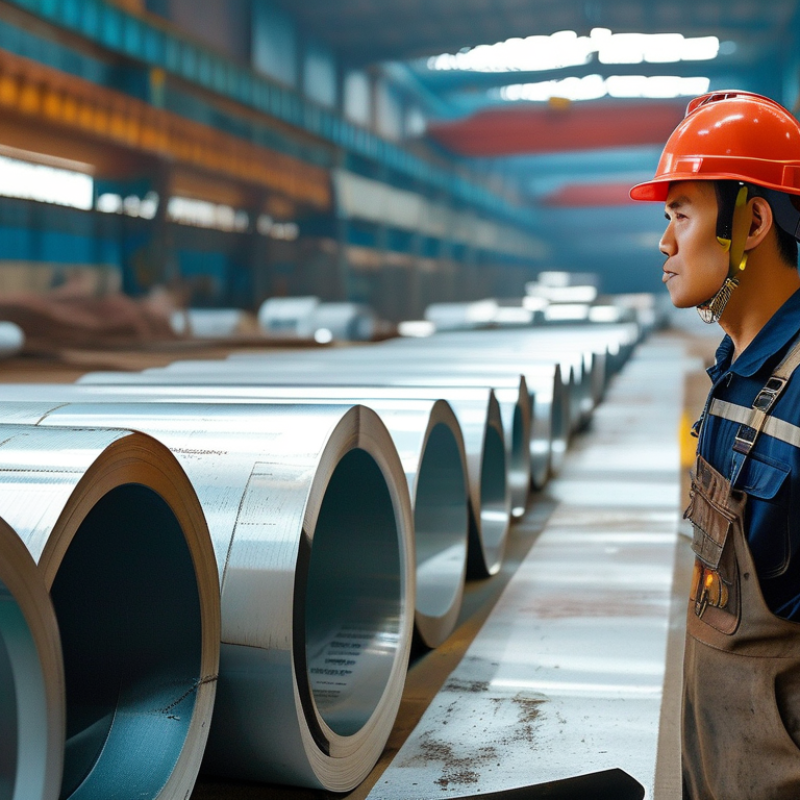
China's Role in the Global Aluminum Market
China plays a crucial role in the global aluminum market. As of 2022, it produced over 37 million tonnes of aluminum, accounting for more than half of the world's output. This sheer volume positions China as a dominant player, impacting prices and availability across various regions. Many global manufacturers rely on Chinese aluminum for its cost-effectiveness and quality.
Data from the International Aluminium Institute indicates that China's exports of aluminum products have steadily increased. In the first half of 2023, exports rose by 10% year-on-year. Yet, this reliance raises concerns about over-dependence on a single market. Some buyers worry about potential supply chain disruptions due to geopolitical tensions or policy changes.
Despite its strengths, China's aluminum industry faces challenges. Environmental regulations are tightening, prompting factories to improve sustainability. These changes may affect production costs and, subsequently, global pricing. Buyers must navigate this evolving landscape and seek alternatives if necessary. With growing inquiries for sustainable materials, the need for diversification is becoming clear.
China's Aluminum Production vs. Global Demand (2022)
This chart illustrates the aluminum production in China compared to global demand in 2022. The data highlights China's significant role in the global aluminum market, showcasing its production capacity against the backdrop of worldwide demand.
Key Chinese Aluminum Manufacturers and Their Products
Chinese aluminum manufacturers play a crucial role in the global supply chain. In 2022, China produced approximately 37 million tons of aluminum, accounting for over 55% of the world's total output. This considerable production capacity establishes China as a dominant force in the aluminum sector.
Major manufacturers focus on various aluminum products, including sheets, extrusions, and foils. The most sought-after products are high-purity aluminum and aluminum alloys, which have applications in aerospace and automotive industries. According to recent reports, the demand for high-performance aluminum materials is projected to grow by 6% annually. This growth reflects the increasing trend toward lightweight and durable materials in manufacturing.
While China's aluminum industry shows strength, challenges persist. Environmental regulations and energy costs pose risks to production continuity. Manufacturers must balance growth with sustainability. Innovations in recycling and energy efficiency will be essential in meeting both economic and environmental goals. Addressing these challenges can enhance reliability and strengthen China's position as a preferred supplier.
Export Trends: China's Aluminum Supply to International Markets
In recent years, China's aluminum exports have gained notable traction in international markets. According to industry reports, China's aluminum production reached approximately 37 million tons in 2022. This figure represents an increase of around 5% compared to the previous year. However, the market dynamics are complex. While China's output showcases its capability, the global demand fluctuates due to various economic factors.
Interestingly, the export volume of aluminum products has changed significantly. Data indicates that China exported roughly 4.8 million tons of aluminum products in 2022, highlighting a 10% rise from 2021. This trend indicates a growing dependency of many countries on Chinese aluminum. Nevertheless, concerns about environmental regulations and production practices persist. These uncertainties may influence future exports and trade relationships.
The Chinese aluminum market also faces challenges. Trade tensions with key global players could impact export trends. Moreover, logistical issues and tariffs add layers of complexity. Buyers must navigate these factors to secure a reliable supply. The changing landscape emphasizes the need for suppliers to adapt and innovate continuously.
Challenges Facing China's Aluminum Industry and Global Impact
China's aluminum industry faces significant challenges that affect global markets. Despite being a leading producer, environmental regulations are tightening. This poses a hurdle for many manufacturers. The balance between production and sustainability is becoming more complex. Companies must navigate these new rules while meeting global demand for aluminum.
Supply chain disruptions are another concern. The COVID-19 pandemic exposed vulnerabilities. Shipping delays and increased costs are common. As aluminum is vital in various sectors, these issues have a ripple effect worldwide. Industries relying on aluminum components face uncertainty. This can lead to increased prices for consumers.
Moreover, competition from alternative materials is rising. Innovations in composites and recycling could change market dynamics. Aluminum producers must adapt to these trends. They need to focus on efficiency and eco-friendly practices. Addressing these challenges requires a strategic approach. Industry players should rethink their operations amidst these evolving global landscapes.
Future Prospects for Chinese Aluminum in Global Supply Chains
China's aluminum industry is evolving, holding a significant position in global supply chains. The nation is one of the largest aluminum producers. This growth stems from innovative techniques and governmental support. Yet, challenges persist. The industry often faces environmental scrutiny and regulatory hurdles. These factors can hinder future development and sustainability.
In recent years, demand for aluminum has surged. From construction to automotive sectors, its applications are vast. However, fluctuating global prices can create uncertainty. Analysts express concerns over the stability of supply chains reliant on Chinese aluminum. Geopolitical tensions might also affect trade flows. Reliable alternatives are being explored worldwide.
Despite these challenges, the comprehensive ecosystem in China is noteworthy. The combination of low-energy costs, skilled labor, and advanced technology presents an opportunity. Yet, stakeholders must reflect on long-term impacts. Balancing growth with environmental responsibilities is crucial. The industry stands at a crossroads, making the future both promising and complex.





