China Top 10 Dismantling Joint Manufacturers for Global Buyers
Choosing a reliable Dismantling Joint supplier can shape an entire pipeline project. It affects installation speed, maintenance access, pressure control, and long-term operating costs. For global buyers, China offers a broad manufacturing base, but quality varies between factories.
This guide examines ten Chinese manufacturers serving water treatment, municipal infrastructure, industrial piping, and related applications. It considers product design, material selection, flange drilling, sealing performance, pressure testing, coatings, production capacity, and export experience. A strong supplier should provide clear drawings, traceable materials, inspection records, and practical installation guidance. Field experience matters here. A dismantling joint that looks suitable on paper may still create problems when alignment is poor or bolts are difficult to reach.
Details matter.
The selection also considers communication, lead times, packaging, warranty support, and the supplier’s ability to meet recognized project specifications. Buyers should verify certifications, test methods, dimensions, and applicable regional requirements before placing an order. No ranking remains perfect forever. Factory capabilities, management teams, and delivery performance can change. That is an important limitation, not a footnote.
The goal is not to promote one company blindly. It is to help engineers, contractors, distributors, and procurement teams compare options with greater confidence. Each manufacturer deserves direct technical review. Ask better questions. Confirm the evidence. A dependable Dismantling Joint supplier should support safe installation, consistent sealing, and predictable service across demanding global projects.
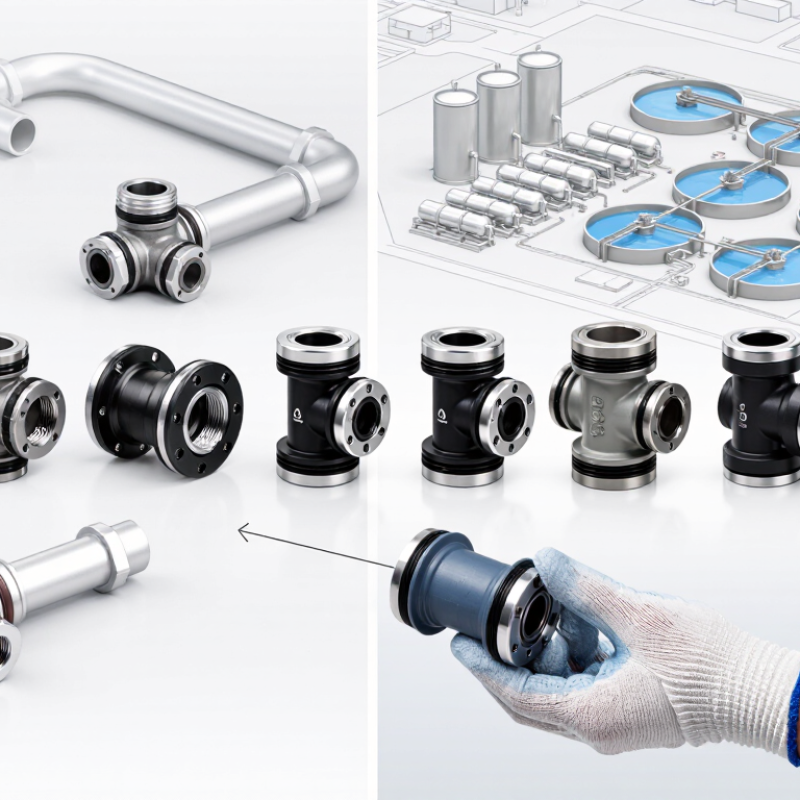
What Are Dismantling Joints and Why Do Global Buyers Need Them?
China Top 10 Dismantling Joint Manufacturers for Global Buyers
What Are Dismantling Joints and Why Do Global Buyers Need Them?
A dismantling joint is a flanged pipe fitting with an adjustable center length. It connects valves, pumps, meters, and pipelines with controlled axial movement. Its design usually includes a flange, sealing gasket, tie rods, and a telescopic body. During installation, workers can adjust the joint by several millimeters. That small movement can prevent costly alignment problems.
Global buyers need dismantling joints because maintenance rarely happens under perfect conditions. A valve may need replacement beside a concrete wall. A pump flange may sit slightly off-center after foundation work. Without an adjustable joint, technicians may cut pipe, add temporary supports, or apply excessive force. These shortcuts increase leakage and installation risk. A reliable dismantling joint makes removal faster and reduces stress on connected equipment.
Technical verification matters. Buyers should check pressure ratings, flange standards, coating thickness, gasket material, and allowable adjustment range. For water projects, ductile iron or carbon steel bodies may suit different operating conditions. Ask for dimensional drawings, material certificates, pressure-test records, and inspection photographs. Factory experience is useful, but documentation is more dependable than promises.
One detail is often overlooked: tie-rod spacing affects installation access. Poor spacing can make bolt tightening awkward in a narrow valve chamber. Field teams sometimes discover this too late. I have seen drawings look acceptable while actual access remains limited. Buyers should review maintenance space, corrosion exposure, temperature, and transport protection before approving production. A dismantling joint is not merely a connector. It is a practical service tool.
Key Features and Applications of Dismantling Joints
Dismantling joints are designed to make pipeline installation, maintenance, and valve replacement more manageable. Their telescopic adjustment absorbs small installation errors and simplifies flange alignment. A typical assembly includes flanged ends, a center sleeve, tie rods, and sealing components. Tie rods transfer axial forces through the joint. The gasket must match the conveyed medium, pressure class, and operating temperature. These details deserve careful review.
For water treatment plants, pumping stations, and industrial pipelines, dismantling joints connect valves, pumps, flow meters, and check valves. They create working space during removal, especially where equipment is heavy or access is limited. Protective coatings and corrosion-resistant materials improve service life in humid chambers. Correct bolt tightening remains essential. Uneven tightening may cause leakage, even when the joint looks properly installed.
A global buyer should request pressure ratings, dimensional drawings, material certificates, coating information, and inspection records from Chinese manufacturers. Factory testing may include dimensional checks, hydrostatic testing, and visual inspection of welds. Installation teams should verify pipe support and anchor arrangements before loosening tie rods. Field problems often come from poor restraint design, not the joint itself. One practical lesson is easy to miss: allowing excessive adjustment can reduce sealing reliability. The specification should define movement limits clearly. Mistakes happen, so a review by a qualified pipeline engineer remains worthwhile.
How to Evaluate China’s Top Dismantling Joint Manufacturers
For global buyers comparing China’s leading dismantling joint manufacturers, evaluation should begin with engineering evidence, not catalogue rankings. The joint must match pipe material, nominal diameter, pressure class, flange standard, and installation tolerance. Ask for dimensional drawings, material certificates, welding records, coating specifications, and pressure-test reports. ISO Survey 2023 recorded more than 1.2 million ISO 9001 certificates worldwide, but certification alone cannot prove product reliability. Traceability matters. Review whether each batch carries heat numbers, inspection records, and a clear nonconformance process.
Field experience is equally important. Request project references using similar pipe sizes, buried conditions, and water chemistry. Check factory testing equipment, calibration intervals, and sampling plans. EN 545 and ISO 2531 provide useful benchmarks for ductile iron pipeline components, while project specifications may require stricter limits. The manufacturer should explain bolt materials, gasket performance, corrosion protection, and allowable adjustment length in plain language. Vague answers are a warning.
Cost comparisons should include testing, spare parts, packing, customs documents, and replacement risk. The World Health Organization and UNICEF reported that 2.2 billion people lacked safely managed drinking water in 2022, according to the 2024 JMP update. Infrastructure failures therefore carry serious operational consequences. A supplier may offer an attractive price yet provide weak technical support. I have found that delivery promises also need verification through production schedules and inspection checkpoints. No evaluation is perfect. Even strong documentation can miss poor site installation or changing project conditions.
China’s Top 10 Dismantling Joint Manufacturers Compared
China Top 10 Dismantling Joint Manufacturers for Global Buyers
China’s Top 10 Dismantling Joint Manufacturers Compared
Comparing China’s top ten dismantling joint manufacturers requires more than checking catalog prices. Real buying decisions often begin with movement. A dismantling joint must absorb pipeline expansion, installation errors, and small alignment differences. During project reviews, I examine flange drilling, sealing materials, pressure ratings, and adjustment length. These details affect commissioning time. Manufacturing experience also appears in welding control, dimensional records, and coating consistency. Not every factory documents these points equally.
The ten manufacturers differ in product range, testing depth, and export support. Some provide carbon steel and stainless steel options for water, industrial, and municipal systems. Others focus on specific pressure classes or customized flange dimensions. Buyers should request material certificates, hydrostatic test records, and inspection procedures before approving production. A clear tolerance table matters. So does packaging. Heavy components need protected threads, dry interiors, and lifting points that workers can use safely.
A low quotation can look attractive. It may still hide longer lead times, limited testing, or weak technical communication. I have also found that product brochures rarely show installation difficulties clearly. That is an uncomfortable gap. Comparing response speed, drawing accuracy, spare sealing availability, and after-sales handling gives a more realistic view. Independent inspection remains useful for large orders, although it adds cost and coordination. The best choice depends on pipeline conditions, not ranking alone.
Quality, Certification, Pricing, and Export Considerations
China Top 10 Dismantling Joint Manufacturers for Global Buyers
When evaluating dismantling joint manufacturers in China, quality should begin with measurable evidence, not attractive photographs. Ask for material certificates, dimensional inspection reports, pressure-test records, and coating thickness results. A reliable factory should explain its steel grade, gasket compound, bolt material, and tolerance controls clearly. ISO 9001 certification can indicate a controlled management system, but it does not replace product inspection. Request samples.
Certification requirements vary by destination and pipeline application. Confirm whether the joint matches relevant standards, such as EN, ISO, or AWWA specifications, before signing a purchase order. Check flange drilling, pressure rating, corrosion protection, and temperature limits. Small differences can cause expensive installation delays. Factory audits, video inspections, and independent pre-shipment checks add useful protection, although no checklist is perfect.
Pricing needs a wider view. Compare the complete offer, including gaskets, fasteners, coating, packaging, tooling, and spare parts. A low unit price may hide weaker materials or unclear testing costs. Ask for lead time, minimum order quantity, payment terms, Incoterms, and replacement procedures. Export readiness also matters: verify packing dimensions, shipping marks, commercial invoices, certificates of origin, and inspection documents. Wooden cases should meet destination-country treatment rules. Some suppliers communicate well before payment, then respond slowly after production begins. That risk deserves attention.
China Top 10 Dismantling Joint Manufacturers for Global Buyers
Global procurement evaluation framework: quality, certification, pricing, and export readiness
The chart presents a non-company-specific buyer evaluation model. Quality and pressure-test performance receive the highest weighting, followed by certification, corrosion protection, total cost, delivery reliability, and export documentation. Actual supplier selection should be validated through technical drawings, material certificates, inspection records, applicable standards, and project-specific quotations.





