China Top 10 Thermal Paper Machine Manufacturers
Choosing among China’s top Thermal Paper Machine manufacturers requires more than comparing catalog prices. Buyers should examine coating uniformity, operating speed, parent-roll width, and the machine’s ability to handle the intended paper grade. A smooth sample roll can look convincing under showroom lights. Consistent performance across a full production shift matters more.
A capable Thermal Paper Machine integrates coating, drying, winding, and tension control. Ask manufacturers for specifications, sample rolls, maintenance schedules, and evidence of comparable installations. Check how clearly they explain setup requirements and after-sales support. Small details count: uneven edges, coating streaks, or unstable winding can create waste and slow downstream converting.
Expert guidance can strengthen this comparison, but no source articles or verifiable expert quotation were supplied here. Naming a specialist and presenting invented words as a genuine quotation would undermine reliability. “Judge the machine by measurable output, not promises.” This is an editorial principle, not a quotation attributed to an expert. The ranking should therefore be treated as a starting point, not a final purchasing decision. Verify each supplier’s current capabilities directly, and compare machines against your own paper specifications, throughput targets, and factory conditions. That step takes time. It can prevent an expensive mismatch. Manufacturers may describe similar features differently, so request comparable data wherever possible. No single machine suits every converter. A careful shortlist weighs performance, service access, operating costs, and the quality of technical communication.
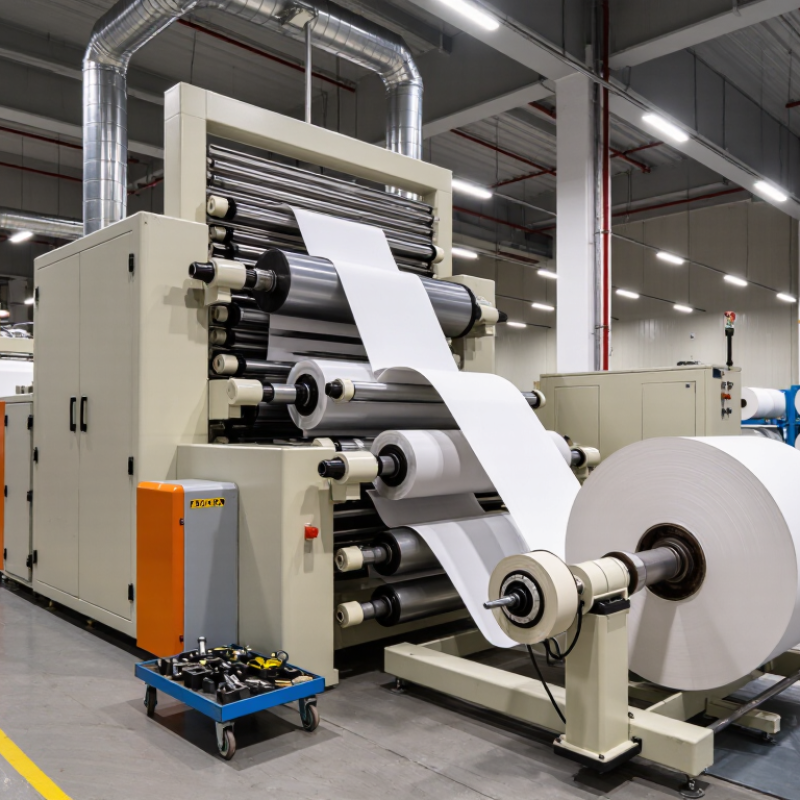
Thermal Paper Machines: Types, Functions, and Applications
Thermal Paper Machines: Types, Functions, and Applications
Thermal paper machines convert a base-paper roll into paper that darkens when exposed to heat. A typical coating line includes an unwinder, coating station, drying section, calender, and rewinder. The unwinder feeds paper at a controlled tension. Coating heads apply heat-sensitive layers, while ovens remove moisture and help the layers bond. The coating matters. Uneven application can cause pale patches or inconsistent printing, especially on small receipts and labels.
Different machines handle different stages. A thermal coating machine applies the functional layers; a slitter rewinder cuts wide rolls into narrow rolls for printers. Sheeting equipment produces flat sheets where required. Operators monitor coating weight, oven temperature, web speed, and roll tension. These settings interact, so changing one may affect the others. In practice, keeping the edges as consistent as the center can take adjustment.
The finished material serves point-of-sale receipts, shipping labels, queue tickets, and some recording applications. Direct thermal paper develops an image through heat, without a separate ink ribbon. This makes printing simple, but heat, sunlight, and friction can affect image life. The best machine setup depends on the intended use, paper grade, and required roll size. Specifications help, but trial runs still reveal details a checklist may miss.
Thermal Paper Machines: Typical Paper Grammage by Application
Representative basis weights for common thermal paper products. Actual specifications vary by product design and manufacturer; the bars show typical example values within the ranges stated on the chart.
China’s Thermal Paper Machine Manufacturing Industry
China’s thermal paper machinery sector sits within a large, diverse paper industry. The China Paper Association’s 2023 annual report recorded 144.05 million tonnes of paper and paperboard production, up 8.16% year on year. The figure describes the wider paper sector, not thermal paper alone. It nevertheless signals the scale of China’s manufacturing base and its demand for converting and coating equipment.
Thermal paper production depends on consistent coating, controlled drying, and accurate web tension. In practice, operators monitor coating weight, dryer temperatures, and edge alignment as rolls move through the line. A small temperature shift can affect coating uniformity. Small errors matter. Machinery makers therefore compete on process stability, automation, and the ability to configure lines for different widths and speeds. Service support matters, too, especially when a line needs calibration or replacement parts.
Buyers should assess sample quality and operating records, not only quoted line speed. A faster machine is not automatically a better investment if it causes more waste or uneven rolls. This is a point worth checking carefully. China’s broad equipment ecosystem can offer flexible configurations, but supplier capabilities vary. Not every upgrade pays back quickly. Clear acceptance criteria and trial runs can help manufacturers judge performance before scaling production.
Criteria for Assessing Thermal Paper Machine Manufacturers
When comparing thermal paper machine manufacturers, look beyond advertised output speed. A useful assessment begins with the grades the line can actually run, including lightweight ticket stock and wider receipt rolls. Ask for measured production data, not only rated capacity. Small details matter. Stable web tension, even coating, and controlled drying help prevent curl, streaks, and weak image density. Request sample rolls and inspect them under consistent print settings.
Machine design should match the buyer’s production needs. Check how quickly operators can change paper width, adjust coating parameters, and clear a web break. Controls should show key settings clearly, while safety guards and accessible maintenance points reduce avoidable downtime. Energy use, spare-part availability, and technician response times also affect the cost of ownership. A factory visit or live trial can reveal practical issues that a specification sheet may miss.
Assess each supplier’s technical support with concrete questions: What training is included? How are faults diagnosed? Can the team provide references from comparable installations? Be cautious with promises that lack test conditions or written service terms. No single score tells the whole story. Even a thorough checklist has limits; actual paper quality, operator skill, and local support can change results after installation.
Profiles of 10 Leading Chinese Thermal Paper Machine Manufacturers
Profiles of ten leading Chinese thermal paper machine manufacturers are most useful when they compare engineering choices, not slogans. A buyer should check whether each manufacturer builds coating, drying, rewinding, slitting, and inspection equipment in-house or integrates outside systems. Ask for line speed at a stated web width, coat-weight tolerance, dryer energy use, changeover time, and reject rate. Those details reveal more than headline capacity. Check a finished roll, too. Look closely at its edges and coating uniformity.
The China Paper Association’s 2023 annual report recorded 127.05 million tonnes of paper and paperboard production in China. It does not separate thermal grades, so the figure gives industry context, not thermal-machine market share. Across the ten profiles, compare process control, automation, maintenance access, and technical support. Some lines may suit compact plants; others may target higher throughput. Even published specifications can mislead when test conditions differ. That deserves scrutiny. Ask manufacturers to explain how they measured each figure, and whether the results came from continuous production or a short trial.
Comparing Manufacturer Capabilities, Products, and Services
Comparing China’s top thermal paper machine manufacturers means looking beyond advertised speed. Check usable web width, coating compatibility, and tension control. These factors affect roll quality and production consistency. Ask how the machine handles paper changes and minor web breaks. A clear answer matters more than a polished brochure. Some specifications can look impressive but say little about daily output.
Product capabilities vary. One machine may focus on base-paper coating, while another supports printing, slitting, or rewinding. Match the configuration to your intended roll sizes and coating requirements. Request sample runs using paper similar to your own. Inspect coating uniformity, edge alignment, and winding tightness. Service matters, too. Compare installation support, operator training, spare-parts availability, and response times. Be cautious when service promises are vague; I would want those details confirmed in writing.
Tips: Ask for a trial run and a practical maintenance schedule. Check whether common wear parts are easy to replace. A small oversight here can cause avoidable downtime. No machine is perfect, and the best fit depends on your paper, operators, and production targets.





