China Top 10 Prototype Sheet Metal Manufacturers
China’s Prototype Sheet Metal sector serves product teams that need fast, testable parts before committing to larger production runs. A bent stainless-steel bracket can expose a clearance problem; a laser-cut aluminum panel can reveal whether mounting holes align. Small details matter. A useful principle, paraphrasing manufacturing researcher Dr. David A. Dornfeld, is: “A prototype should reveal which process controls matter before production begins.” This is a paraphrase, not a verbatim quotation.
This guide to China’s top 10 Prototype Sheet Metal manufacturers looks beyond attractive websites and headline prices. It considers practical capabilities such as laser cutting, bending, welding, surface finishing, material traceability, and inspection. It also considers how clearly suppliers discuss tolerances, lead times, design changes, and sample approval. Those details can shape a project’s outcome.
A supplier may excel at quick samples but struggle with repeatability. Another may offer broad processes yet communicate poorly. Worth checking. The rankings should be treated as a starting point, not a substitute for evaluating a specific project. Ask for relevant case studies, confirm measurement methods, and request a sample when fit or finish is critical. Prototype Sheet Metal work is most useful when feedback reaches the design team early. Even then, a prototype cannot guarantee production results; material variation, tooling, and process changes can still affect the final part.
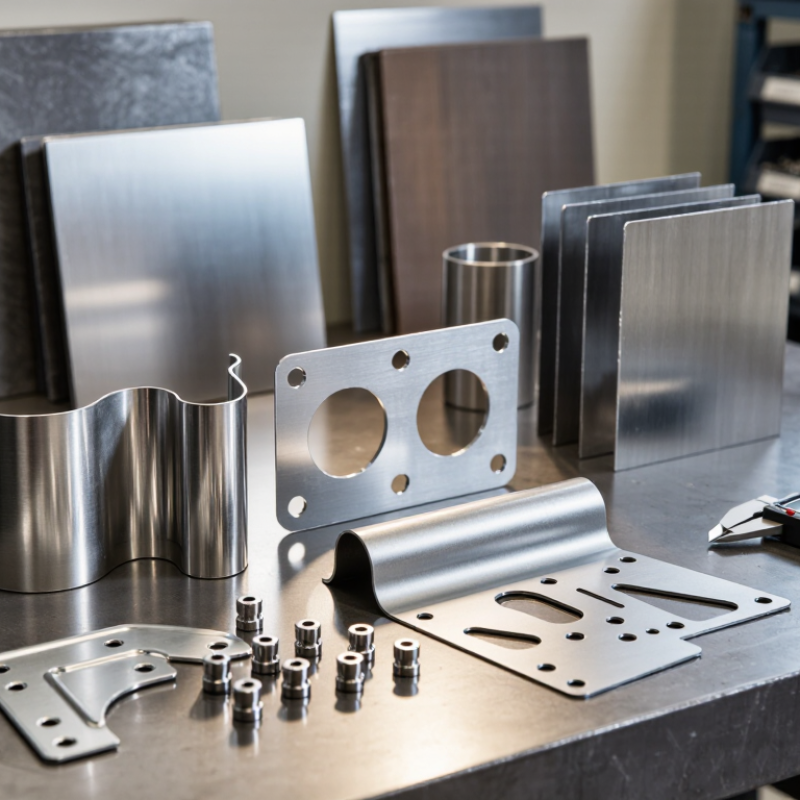
Understanding Prototype Sheet Metal Manufacturing in China
China Top 10 Prototype Sheet Metal Manufacturers
Understanding Prototype Sheet Metal Manufacturing in China
Prototype sheet metal manufacturing transforms digital designs into physical parts for fit, function, and early testing. In China, many workshops combine laser cutting, punching, bending, welding, and surface finishing. The right process depends on material, geometry, quantity, and the purpose of the prototype. A folded aluminum enclosure, for example, may need different checks from a stainless steel mounting bracket.
A useful supplier discussion starts with clear drawings and realistic requirements. Specify material grade, thickness, bend radii, critical dimensions, finish, and any hardware such as threaded inserts. Ask how the shop checks flat patterns and bend allowances before production. Small details matter. A slight hole shift can complicate assembly, even when the part looks correct on a workbench. Requesting a first-article inspection report can help reveal issues early, though it does not replace testing the part in its intended assembly.
Lead time and price should be considered alongside communication and process control. Confirm who handles design questions, how revisions are tracked, and whether finishing is included in the quoted scope. A low-cost sample may still require changes. That can happen. Prototype work is iterative, and a first version sometimes exposes a design assumption that was not obvious on screen. Clear feedback, marked-up drawings, and agreed inspection points make revisions easier to evaluate.
Criteria for Selecting China’s Top 10 Manufacturers
Selecting a prototype sheet metal manufacturer requires evidence, not polished photographs. Review its ability to interpret drawings, hold tolerances, and handle your material and finish. Ask for a sample with formed flanges, clean edges, and aligned holes. Then inspect it against the drawing, using calipers and a simple fit check. Request first-article measurements and an explanation of how defects are recorded. A low quote means little if setup fees, finishing, or shipping are missing. No scorecard is perfect.
Quality systems and production visibility matter, too. The ISO Survey of Management System Standard Certifications recorded 1,265,216 valid ISO 9001 certificates worldwide in 2022; certification alone, however, does not prove a shop can meet your part requirements. Deloitte’s 2024 Smart Manufacturing Survey found that 86% of surveyed manufacturing executives expected smart manufacturing to drive competitiveness within five years. Ask whether the supplier can share revision-controlled drawings, inspection records, and clear progress updates. Check response speed with a real technical question, not a sales promise. Also compare prototype lead times and the path from one sample to a small batch. A missed detail can still happen; what matters is whether the shop notices, explains, and corrects it.
Profiles of 10 Leading Chinese Prototype Sheet Metal Manufacturers
China’s prototype sheet-metal suppliers range from rapid-turn job shops to engineering-led production partners. The International Federation of Robotics’ World Robotics 2024 report recorded 276,288 industrial robot installations in China in 2023, over half the global total. This signals broad automation capacity, not sheet-metal-specific expertise. Details matter.
These ten profiles compare capabilities rather than verified company rankings.
Profile one emphasizes laser cutting and quick quotations;
profile two specializes in folded enclosures with consistent corner geometry.
Profile three handles stainless-steel equipment panels, while profile four focuses on lightweight aluminum housings.
Profile five combines laser cutting with CNC punching for brackets and chassis parts.
A thin panel can still warp.
Profile six offers low-volume prototypes with rapid design revisions;
profile seven integrates welding and fixture design for small assemblies.
Profile eight stands out for deburring and surface finishing, where sharp edges can undermine an otherwise sound part.
Profile nine supports design-for-manufacturing reviews, including bend-radius and hole-clearance checks.
Profile ten provides inspection records and export-ready packing for repeat orders.
A useful comparison should examine material traceability, dimensional inspection methods, sample lead time, and how suppliers handle revisions.
One caution: an attractive sample does not prove stable quality across later batches. Ask for measured results on the actual part.
Comparing Manufacturing Capabilities, Materials, and Lead Times
China Top 10 Prototype Sheet Metal Manufacturers
Comparing suppliers on lead time alone can be misleading. A useful comparison asks what each shop can cut, form, weld, and inspect in-house. Request its available sheet thicknesses, maximum blank size, bend length, and tolerances. Then check whether quoted lead time includes material procurement, finishing, and inspection. A five-day fabrication estimate may not include a coating queue. Small detail, big difference.
Materials shape both performance and schedule. Cold-rolled steel suits many economical brackets; 5052 aluminum is commonly chosen for formability and corrosion resistance; 304 stainless offers corrosion resistance but can take more effort to form. Confirm the exact grade and thickness, not just “aluminum” or “stainless.” Ask for bend-radius guidance and whether the shop can flag design features likely to crack or distort. That matters. A prototype is also a test of the supplier’s engineering feedback, not merely its press brake.
For broader context, the Institute for Supply Management’s February 2024 Manufacturing Report on Business recorded a Supplier Deliveries Index of 50.1. The 50-point threshold separates generally faster from slower deliveries, so the reading suggests little change across the surveyed sector. It is not a shop-level delivery promise. Not always. Compare dated quotes, material availability, and recent delivery performance, and request a realistic range for the first article and any revisions. A confident date is useful; a date with clear assumptions is better.
How to Choose a Prototype Sheet Metal Manufacturing Partner
How to Choose a Prototype Sheet Metal Manufacturing Partner
Choosing a prototype partner is less about the lowest quote and more about how clearly the shop handles uncertainty. Ask how it reviews drawings, flags tight bends, and confirms material thickness before cutting. A capable team should discuss laser kerf, bend radius, hole-to-edge distance, and finish early. Small details matter. If answers stay vague, expect surprises during assembly.
Request a sample inspection report and ask how critical dimensions are measured. For a bent enclosure, check flange height, hole alignment, and springback, not just the flat pattern. Confirm whether cutting, forming, welding, and deburring can happen within one workflow. Fewer handoffs may reduce variation, but they do not guarantee a perfect part. That distinction matters. A first article can still expose problems that drawings did not make obvious.
Compare lead times with a realistic revision plan. Prototypes often change after the first assembly, so ask how quickly updated drawings can be reviewed and whether setup charges apply. Clear questions about tolerances and intended use suggest practical experience. Still, a polished quote proves little on its own. Inspect a physical sample for sharp edges, uneven bends, and surface marks, then record what needs adjustment before the next build.





